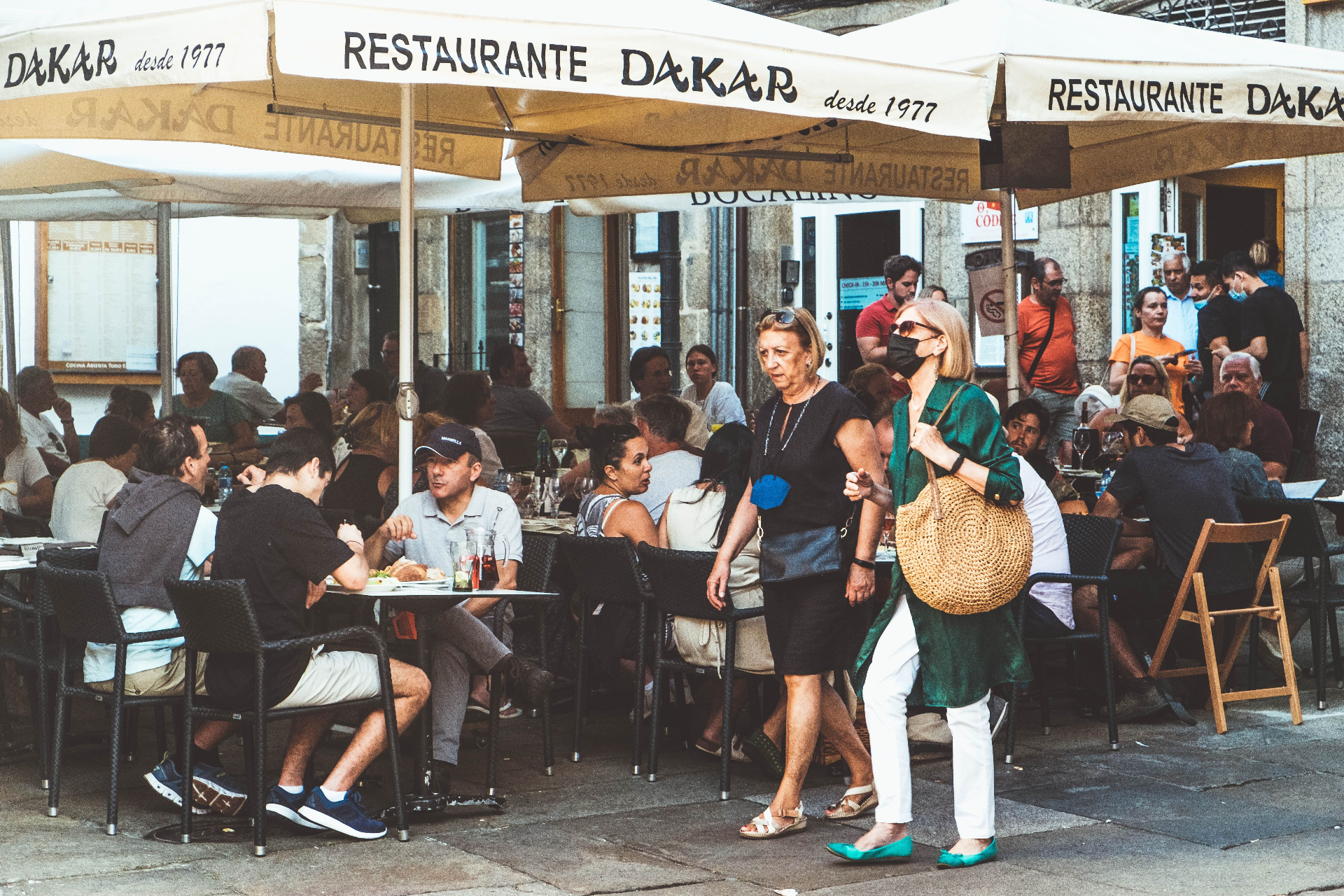
How to Open a Restaurant in 2026: A Complete Guide for New Owners
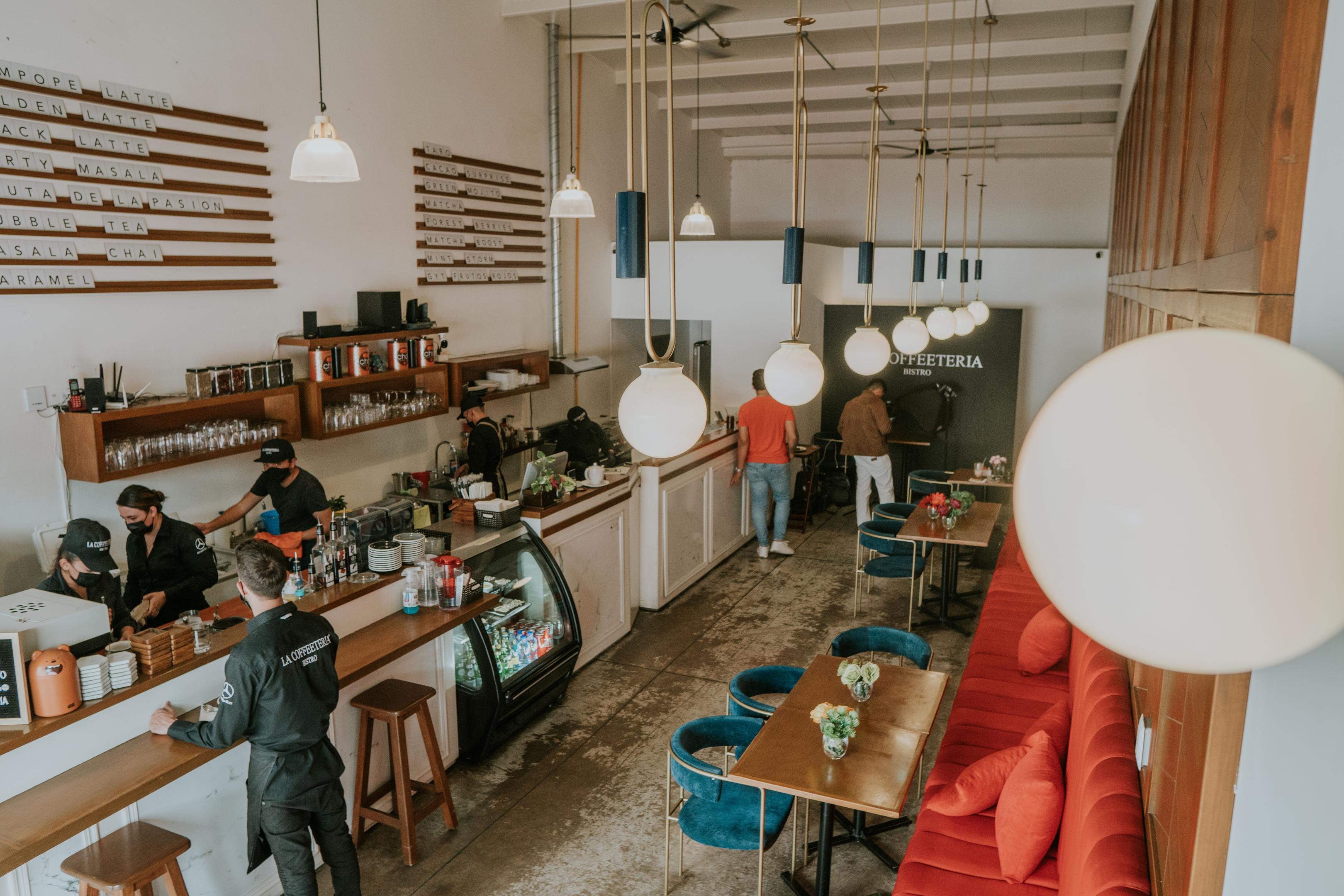
Introduction
Opening a restaurant typically takes 6 to 12 months from concept to launch, requires $175,000 to $2.5 million in startup capital depending on your restaurant type, and demands careful orchestration of permits, staffing, technology, and marketing. This step by step guide walks you through every phase of building a successful restaurant business in 2026, from validating your restaurant concept to understanding what it takes to open and run your own restaurant with the systems, planning, and management needed to make it work.
This guide is designed for aspiring restaurant owners, entrepreneurs planning to start a restaurant, and existing operators looking to expand with a new restaurant location or format. It is most relevant for independent operators and other small businesses entering foodservice, whether you are considering a full service restaurant, a fast casual concept, a ghost kitchen, or a food truck. We focus on independent and small-to-mid-size restaurant businesses rather than large national chains, though much of the operational and technology advice translates across scales. The emphasis throughout is practical: real numbers, proven frameworks, and modern technology solutions, particularly AI voice ordering and direct online ordering, that separate thriving restaurants from those that struggle.
The average startup cost for a restaurant is $375,500 according to RestaurantOwner.com survey data, though the range varies dramatically by format and market. A restaurant business plan is essential for securing funding, keeping your operations focused, and setting realistic financial projections for the months and years ahead.
By the end of this guide, you will understand:
How to develop and validate a restaurant concept that fits your target market
The essential components of a restaurant business plan, including financial projections and startup costs
Financing strategies and how to avoid the undercapitalization trap that sinks many restaurants
Operational setup from location and licensing to staffing and technology infrastructure
How AI voice ordering, automated phone systems, and direct online ordering from providers like VoiceBit can reduce labor costs, capture missed revenue, and improve customer experience from day one
Understanding Restaurant Business Fundamentals
A successful restaurant in 2026 is defined by more than great food. It requires consistent profitability, sustainable cash flow, strong repeat customer relationships, and tight control over the cost pressures that squeeze the restaurant industry: rising food costs, labor shortages, and increasing rent. The operators who thrive are those who embrace digital ordering channels, use data to make decisions, and build systems that work even when the dining room is packed and the phone is ringing nonstop.
Consumer expectations have shifted significantly. Diners want convenience, value, and personalization. They expect to order through apps, websites, or voice, and they reward restaurants that offer loyalty perks and consistent service. On the cost side, food away from home inflation ran roughly 6% from early 2024 through late 2025, outpacing grocery inflation at about 3%. Technology adoption has accelerated in response: approximately 48% of U.S. restaurants now use at least one AI-powered system, whether for online ordering optimization, inventory management, or phone answering. The restaurant industry is changing fast, and the operators who invest in the right infrastructure early gain a durable advantage.
Restaurant Types and Concepts
Your restaurant type determines nearly everything about your startup costs, staffing requirements, and operational complexity, which makes choosing the right format especially important when planning a small restaurant. Here are the primary formats to consider:
Full-service restaurants offer table service, a full dining room experience, and often a bar program. They command premium pricing but carry the highest build-out costs and staffing needs. Average startup costs for a full-service restaurant are $500,000 to $2.5 million, and complexity scales with the ambition of the concept, from a casual dining neighborhood spot to a fine dining establishment.
Fast casual restaurants blend counter service with higher-quality food and a more polished atmosphere than fast food. They need $300,000 to $600,000 to start. Fewer front of house staff, faster table turns, and a streamlined service style make this format appealing for first-time operators.
Ghost kitchens operate without a dining room or bar, focusing entirely on delivery and pickup. Ghost kitchens can start with costs as low as $10,000, though most realistic builds land between $10,000 and $50,000. The tradeoff is that you lose the walk-in customer and must build your brand identity entirely through digital channels and delivery platforms.
Food trucks offer mobility and lower fixed costs. A food truck startup costs range from $40,000 to $250,000. They work well for testing a restaurant concept before committing to a permanent restaurant space, and permitting is often simpler than for a brick-and-mortar location.
Each format connects directly to the capital you need, the staff you hire, the technology you integrate, and the revenue streams available to you, so the right choice should also support a concept that makes your restaurant unique in its market.
Market Analysis and Positioning
Before you commit to a concept, thorough market research is essential. Market research should analyze customer preferences and competitors in your target area. Study local demographics, dining habits, median household income, and the density of competing restaurants. Look for gaps in the local dining scene: perhaps your neighborhood lacks a quality fast casual option, or there is unmet local demand for a family style concept at an affordable price.
Your market analysis should answer three questions: Who is your target audience? What are they already spending money on? And where is the opportunity your restaurant concept can fill? This research feeds directly into your restaurant business plan, shaping everything from your sample menu and service style to your pricing strategy and marketing plan.
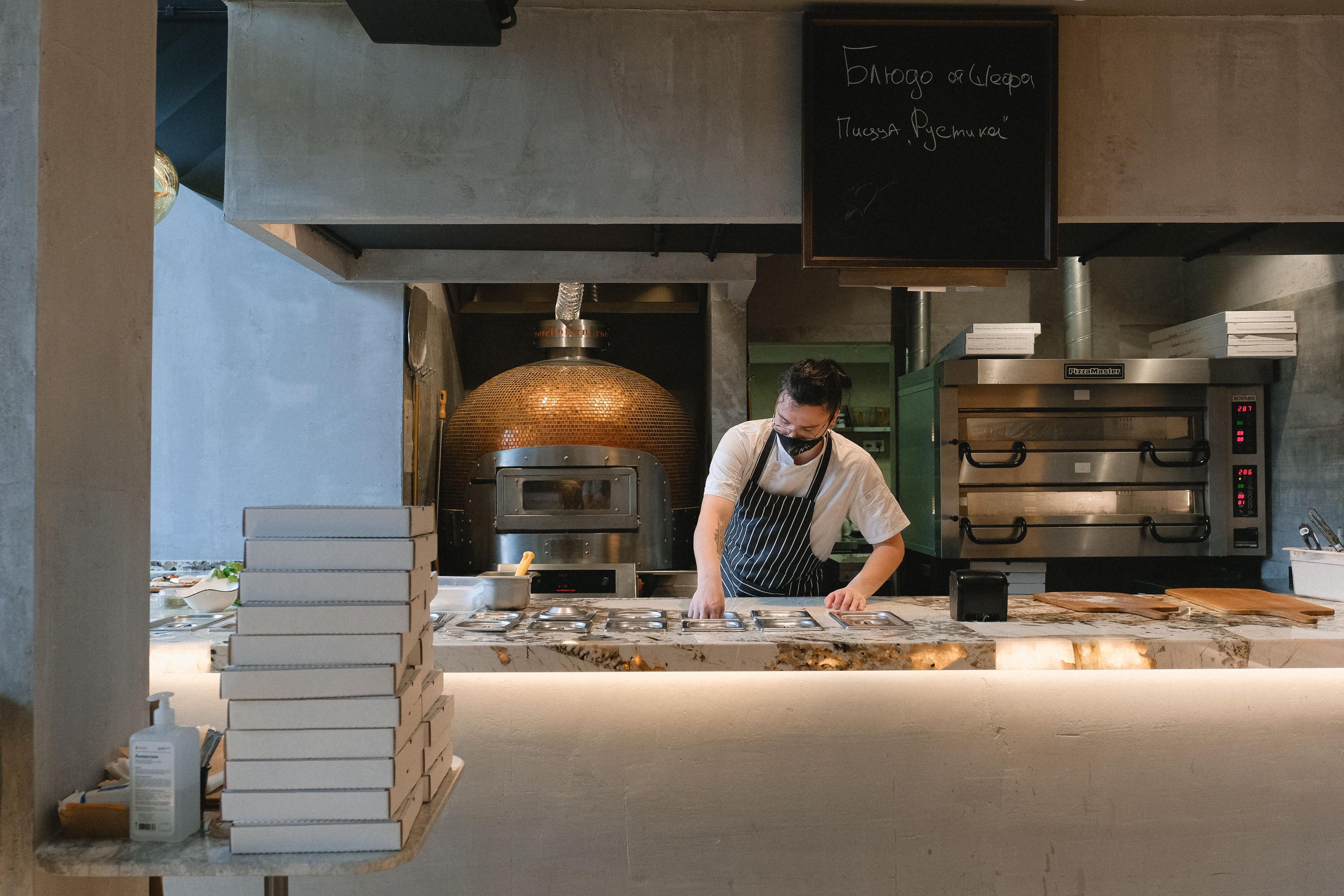
Creating Your Restaurant Business Plan
With your market analysis in hand, the next step is building a comprehensive restaurant business plan that translates your restaurant's vision into concrete numbers and operational strategies. A solid business plan helps clarify your restaurant concept, communicates your strategy to investors and lenders, and serves as the operating document you return to as you grow. Your business plan should outline your target market and competition alongside your financial projections.
Financial Projections and Startup Costs
Startup costs for a restaurant range from $175,000 to $2.5 million depending on your format, location, and ambition. Most new restaurants spend well into six figures to open. Here is a general breakdown by format:
Restaurant Type | Typical Startup Cost Range |
|---|---|
Full-Service Restaurant | $500,000 to $2.5 million |
Fast-Casual Restaurant | $300,000 to $600,000 |
Food Truck | $40,000 to $250,000 |
Ghost Kitchen | $10,000 to $50,000 |
Within those ranges, your restaurant startup costs typically break down into several major categories: build-out and renovation (roughly 30% of total), restaurant equipment including prep tables, cooking stations, and refrigeration (around 22%), working capital to cover 3 to 6 months of operations (about 18%), permits and licensing (roughly 12%), and remaining costs covering initial inventory, technology, marketing, and a lease deposit. Some operators also explore funding through credit unions when traditional bank lending is limited. Others use personal loans to close smaller gaps in startup capital.
Include financial projections in your restaurant business plan with conservative, base, and optimistic scenarios. The industry benchmarks that matter most: a restaurant's menu should target a food cost of 28 to 35% of revenue, labor costs should ideally be 30 to 35% of revenue, and other operating expenses (rent, utilities, marketing, technology) consume another 25 to 30%. That leaves profit margins of roughly 5 to 10% in well-run operations.
Your executive summary should capture these numbers clearly, because investors and lenders will evaluate your restaurant business plan on whether your projections are realistic, your capital is sufficient, and your financing structure supports the restaurant's success. Undercapitalization is the single most common reason restaurants fail in the first year.
Revenue Streams and Growth Planning
Modern restaurant revenue goes well beyond the dining room. In 2026, successful restaurant owners build multiple revenue streams:
Dine-in service remains core for full service restaurant and casual dining concepts
Takeout and pickup orders have grown roughly 14% in frequency as consumers seek convenience without delivery fees
Delivery through third-party platforms or in-house logistics
Catering for events, corporate functions, and private parties
Direct online and phone ordering through your own channels
The shift toward direct ordering is significant. Online orders through restaurant-owned channels show average check sizes roughly 23% higher than in-store orders. Loyalty programs can turn first-time guests into regulars who spend up to 67% more over time. And phone orders, when captured by AI voice ordering systems, run 15 to 20% higher than app orders when consistent upselling is built into the conversation.
This is where technology like VoiceBit becomes a revenue driver rather than just an operational tool. Industry data shows that 20 to 30% of restaurant phone calls go unanswered during peak hours, and 43% go unanswered industry-wide. Each missed call represents $25 to $50 in lost order value. For a busy restaurant, that translates to $7,500 to $15,000 in lost revenue per month. AI-powered phone ordering captures those calls, processes orders accurately, and sends them directly to your POS system without requiring additional phone staff.
Risk Management and Contingency Planning
Common restaurant failure points include undercapitalization, rising food costs, high staff turnover, poor location selection, and overreliance on third-party delivery apps that charge 15 to 30% commission on every order.
Mitigation strategies that work:
Budget buffer: Reserve at least 3 to 6 months of operating expenses beyond your startup capital
Menu flexibility: Design your restaurant menu with substitution options so you can adapt to ingredient price swings without sacrificing your signature dish offerings
Diversified revenue: Build direct ordering channels (web, phone, SMS) alongside third-party platforms to control margins
Technology leverage: AI tools for inventory management can reduce food waste by roughly 25%, while AI phone ordering reduces labor overtime costs by approximately 20%
Supplier backup: Maintain relationships with at least two suppliers for your most critical ingredients
The connection between risk management and technology infrastructure is direct. Every order you capture through an owned channel rather than a third-party platform preserves margin. Every phone call your AI system answers that a human would have missed converts potential loss into revenue. These efficiencies compound as your restaurant grows.
Restaurant Setup and Operations Implementation
With your restaurant business plan built and financing secured, the execution phase begins. This is where your concept becomes a physical reality: securing a location, obtaining restaurant licenses, building out your restaurant space, installing technology, and hiring your entire team.
Location Selection and Lease Negotiation
Location is the largest determinant of restaurant success. Choosing a location should prioritize visibility and accessibility. High-visibility areas can drive steady customer traffic, and restaurants in busy areas attract more customers consistently.
A restaurant's concept influences its ideal location. A fine dining establishment benefits from a destination setting, while a fast casual concept needs high foot traffic and easy parking. Consider local demographics when choosing a location, looking at population density, income levels, age distribution, and the competitive landscape within a 1 to 3 mile radius.
Evaluate potential locations on these factors:
Foot traffic and visibility from main roads and pedestrian corridors
Parking and delivery access for both customers and delivery drivers
Demographics matching your target market
Competition density and whether the market is saturated or underserved
Lease terms including length, renewal options, rent escalation clauses, tenant improvement allowances, and signage rights
Watch for hidden costs in your lease: common area maintenance (CAM) charges, utility responsibilities, property taxes, and insurance requirements can add 15 to 25% on top of base rent. Your restaurant's location will be your largest ongoing fixed cost, so negotiate carefully.
Licensing and Permit Requirements
Licenses and permits can take 2 to 4 months to process, and some take considerably longer. Start permit applications immediately after signing your lease to avoid costly delays.
Essential permits and restaurant licenses include:
Business structure registration (LLC, corporation, or sole proprietorship) and an employer identification number (EIN) from the IRS
Business license from your city or county. Business licenses cost a couple of hundred dollars each.
Food service license from the health department. Food service licenses require passing health inspections of your kitchen and restaurant space.
Food handler's permits for all staff who handle food. Food handler's permits cost typically range from $10 to $20 per employee.
Building permit and certificate of occupancy following build-out, including fire marshal approval
Liquor license if serving alcohol. Liquor licenses can take up to a year to obtain, so begin this process as early as possible. Costs vary dramatically by state, from a few hundred dollars to over $10,000.
Signage permit from local authorities
Zoning approval confirming your restaurant use is permitted at the location
Workers' compensation insurance and payroll registration for compliance with labor regulations
The sequence matters. You cannot pass a health department inspection before your build-out is complete, and you cannot receive an occupancy certificate without passing fire and safety inspections. Map out your permit timeline in parallel with your construction schedule.
Technology Infrastructure Setup
Your technology stack is the nervous system of your entire restaurant operation. The right infrastructure connects every order, whether it comes from the dining room, your website, a phone call, or a delivery app, into a single workflow that feeds your kitchen and tracks your revenue.
POS system: Your point-of-sale system must handle orders from multiple channels, support flexible modifiers and menu items, integrate with a kitchen display system (KDS), and provide real-time reporting on sales, inventory, and labor.
Online ordering: Investing in a mobile-friendly website is important for online presence. Building a web presence is crucial for attracting diners, and owning your online ordering channel (rather than relying solely on third-party apps) preserves your margins and gives you direct access to customer data. Direct ordering platforms eliminate the 15 to 30% commissions charged by third-party delivery apps.
AI-powered phone ordering: This is where modern technology makes all the difference for restaurant owners who receive significant call volume. VoiceBit's AI phone ordering system answers calls automatically, takes orders with accurate modifier capture, confirms details with the customer, and pushes orders directly into your POS. The system captures approximately 99.2% of incoming calls, compared to the industry average where 43% go unanswered. AI phone systems typically cost $250 to $1,500 per month depending on volume, compared to $2,400 to $3,200 per month for a dedicated human phone staff member. The ROI is often measured in days rather than months.
Beyond capturing missed orders, VoiceBit's AI agents deliver consistent upselling on every call, suggesting add-ons and upgrades that raise average ticket size by roughly 15%. Human staff, especially during a rush, rarely upsell consistently. The AI never gets tired, never puts a caller on hold, and never forgets to suggest the signature dish.
Payment processing should support contactless payment, digital wallets, and integration across all ordering channels.
Staffing and Training Procedures
Hiring qualified staff can set your restaurant apart from competitors. Your hiring strategy should focus on filling key positions first: General Manager, Kitchen Manager or Head Chef, and Front of House Manager (for full service concepts). From there, build out your team of cooks, servers, hosts, dishwashers, and any delivery drivers.
Knowing what a restaurant takes from management and staff helps frame hiring as an operational requirement, not just a recruiting task. Restaurant turnover averages 75 to 80% annually, which makes your hiring and retention strategy a critical business function, not an afterthought. A thorough interview process helps reduce turnover by identifying candidates who align with your restaurant's vision and culture. Create a company handbook to standardize policies on scheduling, conduct, safety procedures, and technology use.
Staff training should cover customer service and food safety standards, including ServSafe certification or local equivalents, allergen protocols, and sanitation schedules. Training should also include your technology systems: how to use the POS, how to process online orders, and how the AI phone system works alongside human staff for exception handling.
Staffing Factor | Full-Service | Fast-Casual | Ghost Kitchen | Food Truck |
|---|---|---|---|---|
Typical Team Size | 20 to 50+ | 10 to 25 | 5 to 15 | 2 to 5 |
Front of House Staff | High | Moderate | Minimal | Minimal |
Phone/Order Staff | Dedicated or AI | Counter staff or AI | AI recommended | N/A typically |
Service Style | Table service | Counter service | Delivery/pickup only | Counter service |
Relative Labor Cost | Highest | Moderate | Lower | Lowest |
The technology you choose directly impacts staffing needs. An AI phone ordering system from VoiceBit eliminates the need for dedicated phone staff during peak hours, allowing your front of house team to focus on in-person guests rather than juggling ringing phones.
Common Challenges and Solutions
Every new restaurant faces predictable obstacles. The difference between a restaurant that survives its first year and one that doesn't often comes down to how quickly the owner identifies and addresses these challenges.
High Labor Costs and Staff Turnover
Labor costs represent the second-largest expense category for most restaurants. With industry turnover averaging 75 to 80%, the cost of constantly recruiting, hiring, and training new employees compounds quickly.
Implement automated systems like AI voice ordering to reduce staffing needs during peak phone hours. Cross-train employees so each team member can fill multiple roles during busy periods. Offer competitive wages and benefits, clear advancement paths, and a positive work environment. The operators who retain staff longest tend to invest in culture as much as compensation.
Missed Phone Orders and Poor Customer Service
Many restaurants lose $7,500 to $15,000 per month in missed phone orders alone. During lunch and dinner rushes, staff are stretched thin, and calls go to voicemail or ring endlessly. Every missed call is a customer who may never call back.
Deploy AI phone ordering technology like VoiceBit to capture every call and process orders accurately. The system integrates with your existing phone number and workflows, so customers experience seamless service while your staff stays focused on in-house guests. Orders flow directly into your POS and kitchen display, eliminating the transcription errors that plague manual phone order-taking.
Managing Delivery and Online Ordering
Third-party delivery platforms charge 15 to 30% commission on every order, which destroys margins on what is often already a thin-margin transaction. Meanwhile, pickup orders have grown 14% in frequency as consumers seek to avoid delivery fees.
The solution is a unified ordering platform that handles phone, web, and SMS orders through a single system you own. VoiceBit offers both AI phone ordering and website building services designed specifically for restaurants, giving you direct ordering channels that preserve your margins and provide immediate customer feedback and data. When you own the customer relationship, you own the data: order frequency, favorites, timing patterns, and contact information that third-party platforms typically withhold.
Building Customer Loyalty and Retention
Repeat customers account for roughly 65% of restaurant revenue, and loyalty program members spend up to 67% more than first-time guests. Yet many restaurants invest heavily in acquiring new customers while neglecting the ones they already have.
Integrated loyalty programs that work across all ordering channels, from the dining room to online to phone orders, create a consistent experience that rewards regulars. Use the customer data from your direct ordering channels to personalize promotions, send targeted email marketing campaigns, and respond to customer feedback. Social media marketing is essential for restaurant visibility, and local food bloggers can amplify your reach to your target audience.
Building a marketing plan before opening can generate anticipation. A grand opening celebration can generate excitement and attract customers, and promotional discounts can drive new customer visits during your critical first weeks. Email marketing helps keep customers informed about promotions and menu updates after you have launched.
Conclusion and Next Steps
Opening a restaurant in 2026 requires thorough planning, adequate startup capital, proper licensing, a strong team, and smart technology integration. The operators who succeed are those who treat their restaurant as a system: every component, from the kitchen to the phone line to the website, works together to deliver great food and consistent service while controlling costs.
Your immediate next steps:
Finalize your restaurant concept and sample menu based on thorough market research and competitive analysis
Secure your location with attention to visibility, demographics, and lease terms
Build your restaurant business plan with realistic financial projections and present it to lenders or investors
Begin permit applications immediately after signing your lease, starting with your liquor license if applicable
Evaluate and select your technology stack, including POS, online ordering, and AI phone ordering from VoiceBit, so your systems are ready before your grand opening
Hire your core management team and begin training protocols covering food safety standards, customer service, and technology systems
The restaurant industry rewards operators who combine hospitality instincts with operational discipline. By building direct ordering channels, capturing every phone order through AI, and owning your customer relationships from day one, you position your restaurant for sustainable growth rather than just survival.
Additional Resources
VoiceBit AI phone ordering and website solutions at voicebit.ai for automated phone answering, direct online ordering, and POS integration built specifically for restaurants
Restaurant business plan templates and financial projection tools from the Small Business Administration (SBA) for structuring your funding applications
Industry research: The James Beard Foundation 2026 Independent Restaurant Industry Report and National Restaurant Association resources for benchmarking and trend data
Local resources: Contact your city or county business licensing office and health department early to understand the specific permit requirements and timelines in your jurisdiction
Related Articles
How to Grow Your Restaurant Business in 2026: Practical Strategies + AI Phone Ordering
Business Intelligence for Restaurants: How to Start Collecting Customer Data (Beginner Guide)