Food Trends in Restaurants 2026: How to Turn Dining Trends into Revenue with AI and VoiceBit
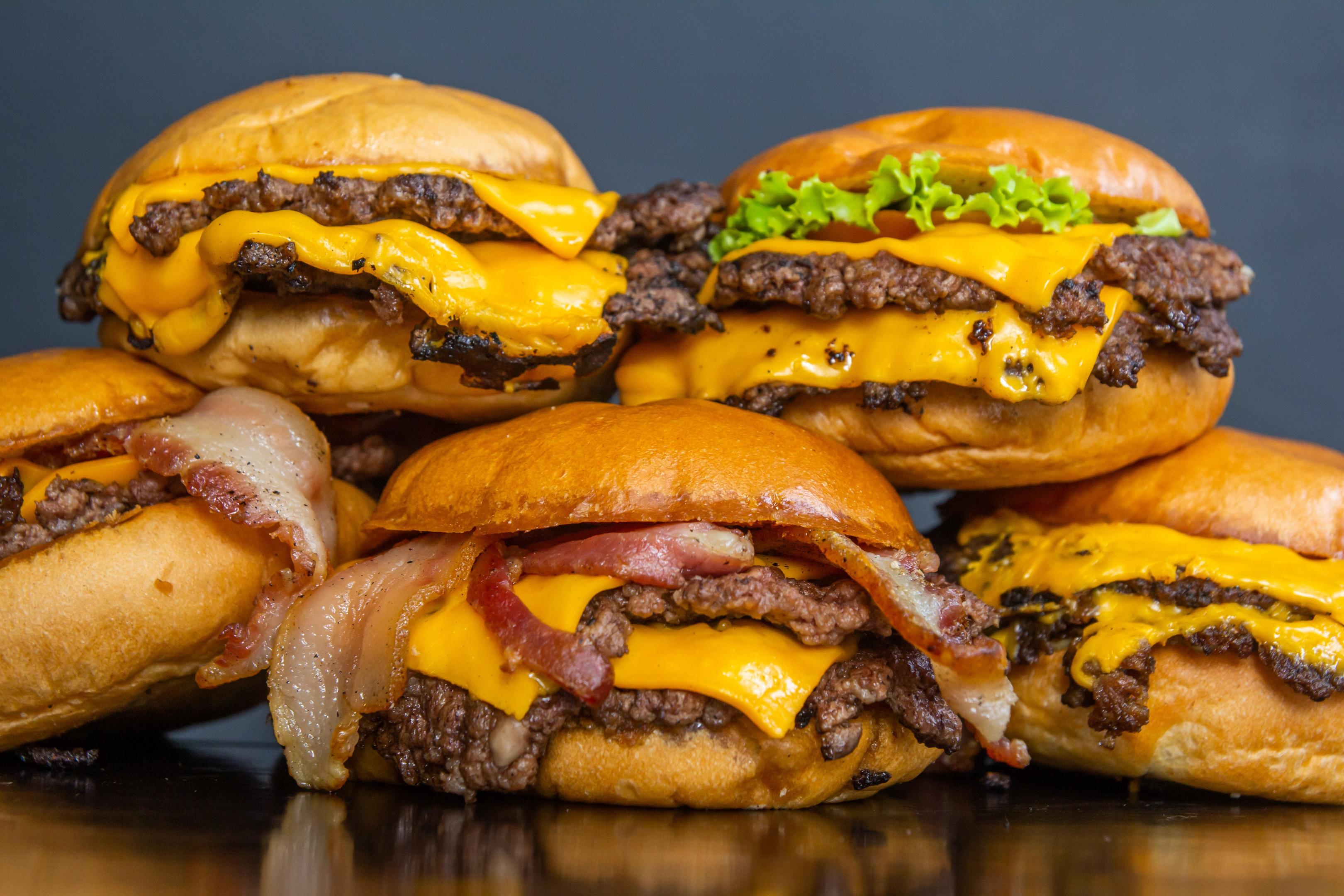
The restaurant industry is evolving faster in 2026 than at any point in the past decade. Food trends are no longer just inspiration for chefs. They are revenue levers that determine whether your restaurant grows, stalls, or falls behind. Current restaurant food trends include flavor escapism and intentional dining, and restaurant owners who treat these shifts as strategy rather than fad are the ones winning right now.
This guide breaks down the most important food trends shaping restaurants in 2026, explains how each one connects to real revenue, and shows how platforms like VoiceBit give operators the AI voice ordering, direct ordering, and SEO-friendly web presence they need to act on trends quickly and profitably.
The State of the Restaurant Industry in 2026
The restaurant industry is projected to reach approximately $1.55 trillion in sales in 2026, with total employment climbing to around 15.8 million people. Growth is real, but so are the headwinds: rising costs in ingredients, labor, and rent continue to compress margins for operators across every segment.
Here is what matters most for restaurant operators right now:
Value sensitivity is rising. Budget-conscious consumers are trading between fast food, fast casual, and premium casual formats depending on occasion and wallet size.
Convenience is non-negotiable. Diners expect short wait times, digital ordering options, and seamless transitions between delivery, takeout, and dine-in.
Technology adoption is accelerating. AI voice ordering systems, phone order automation, and direct ordering platforms are now mainstream investments for independent restaurants, not just big chains.
Speed to trend pays off. Restaurant operators who respond fastest to emerging trends on their restaurant menus and ordering channels see higher repeat visits, better margins, and stronger check averages.
More consumers now use multiple channels to order from the same restaurant. In this environment, owning your ordering channels through platforms like VoiceBit means you keep the margin that third-party apps take.
Comfort Food 2.0: Elevated Classics That Still Travel Well
Comfort food is not going anywhere. What is changing is the quality bar. In 2026, next-generation comfort foods are designed to satisfy emotional cravings while traveling well for delivery and takeout.
Gen Z consumers and millennials often choose familiar comfort foods, but they place more focus on higher quality, interesting flavors, and premium ingredients like grass-fed beef, artisan cheese, and house-made sauces. Chefs are reimagining classic foods with global ingredients, turning a standard burger into a smashed patty with gochujang aioli or swapping traditional fries for truffle-parmesan versions.
One example that works across service styles:
Nashville hot chicken sliders in sports bars and quick service restaurants
Truffle or miso-maple fries in casual dining
Korean-inspired wings or gochujang butter chicken tacos for pop ups and ghost kitchens
Regional noodle soups like pho and tonkotsu in customizable formats
How to act on this trend: Use VoiceBit's AI ordering reports to identify which comfort items sell best over phone and web orders. Build bundles, family meal deals, and upsell add-ons like premium toppings around your winners. Keep dish names short and phone-order friendly. Quality packaging that preserves food integrity on delivery is just as important as the taste itself.
Health, Functionality, and "Better-for-You" on Restaurant Menus
Health-conscious consumer trends in 2026 go well beyond calorie counting. The culinary landscape is focusing on higher nutrient density per bite. Consumers are increasingly seeking healthier artisanal cuisine, and in the past year, 40% of consumers have prioritized cleaner ingredients in their meals.
Sustainability is becoming integral to kitchen operations, with operators placing more focus on sourcing transparency. Consumers expect transparent and eco-conscious sourcing in menus. Over 70% of UK consumers prefer organic options when dining out, a signal that whole foods and cleaner supply chains matter to guests worldwide.
Key health and sustainability trends on restaurant menus:
High-protein, high-fiber macro pairings. Restaurants are introducing high-protein and high-fiber macro pairings like grain bowls with grilled fish, legume-rich salads, and functional sides.
Fermented foods. Fermented products are gaining popularity for their health benefits. Fermentation also helps reduce food waste and extend ingredient shelf life, making it a win for both menu appeal and food costs.
Seasonal and local sourcing. Restaurants are focusing on seasonal ingredients to enhance health, and seasonal products rotate based on what local farms produce.
Zero-waste kitchens. Restaurants are adopting zero-waste initiatives to minimize food waste, turning scraps into stocks, pickles, and garnishes.
Sustainable seafood. Sustainable seafood practices are becoming more common in restaurants, with operators calling out wild-caught and responsibly farmed options.
Plant-forward menus. Plant-based meat alternatives are plateauing in menu popularity, but plant-forward dishes made from real vegetables, grains, and legumes are gaining ground.
Weight-loss therapeutics impact. The rise of weight-loss therapeutics is changing restaurant menus, with more demand for smaller, protein-rich portions.
How to act on this trend: Test new healthy dishes as limited-time offers. Use VoiceBit's AI ordering analytics to track which items convert well on phone, SMS, and web channels. Promote winners and drop underperformers without disrupting your core menu. This kind of fast iteration is where many restaurants gain a real edge.
Global Flavors, Fusion, and Street Food Inspirations
Global cuisines continue to shape food trends in restaurants across every format. Menus are highlighting specific localized culinary traditions rather than generic "Asian" or "Latin" labels. The appeal of regional authenticity is driving interest in Korean street food, Oaxacan-style Mexican restaurants, Vietnamese pho shops, and Mediterranean fast casual concepts.

Two approaches work depending on your customers:
Authentic regional dishes with traditional techniques and ingredients for adventurous diners
Approachable "gateway" items with familiar spice levels and easier names for broader appeal
Ghost kitchens allow restaurants to operate without physical locations, making them an ideal testing ground for bold global flavors. Pop ups inside existing venues let you try a weekend of Peruvian anticuchos or Indonesian satay with minimal risk. Restaurants are increasingly using seaweed as a sustainable ingredient in Japanese-inspired and fusion dishes, adding umami depth and nutritional value.
How to act on this trend: VoiceBit's AI voice ordering can be trained on difficult-to-pronounce dish names and ingredient variations so guests can order confidently by phone without confusion. Make sure phone, web, and in-store menu names match exactly. For delivery, invest in packaging that keeps sauces, garnishes, and proteins separate until the guest is ready to eat.
Snacking, Small Plates, and All-Day Grazing
The line between a snack and a meal continues to blur. Small plates dining emphasizes shareable, tapas-style dishes, and the Small Plates Renaissance reflects a shift towards authenticity in how people eat together. Consumers prefer small plates for social dining experiences, and small plates allow for diverse flavor exploration in meals.
Restaurants are increasingly offering smaller, focused menus built around shareables, especially those targeting late night and afternoon dayparts.
Examples that drive check size:
Loaded fries flights with multiple toppings
Mini sliders and bao buns
Mezze boards with hummus, pickled vegetables, and flatbread
Desserts served as shareable flights
Sushi rolls offered in snack-size portions alongside snacks like edamame and miso soup
Revenue tactic: Pair small plates with drinks. When a guest orders bar bites, VoiceBit's AI can suggest a craft soda, mocktail, or low-proof cocktail based on the time of day. This kind of automated food and drink pairings logic consistently lifts average check size without adding labor.
Promote afternoon and late night snack menus through VoiceBit's phone and SMS channels. Daypart menu engineering turns slow periods into revenue opportunities.
Beverage Trends: From Functional Drinks to Low-Alcohol Cocktails
Beverage trends in 2026 are among the strongest margin drivers in the restaurant sector. Diners are shifting towards alcohol-free functional beverage alternatives, and low-ABV cocktails are increasingly popular among younger consumers. Low-alcohol drinks are part of a broader trend towards moderation that spans gen z consumers through older demographics.
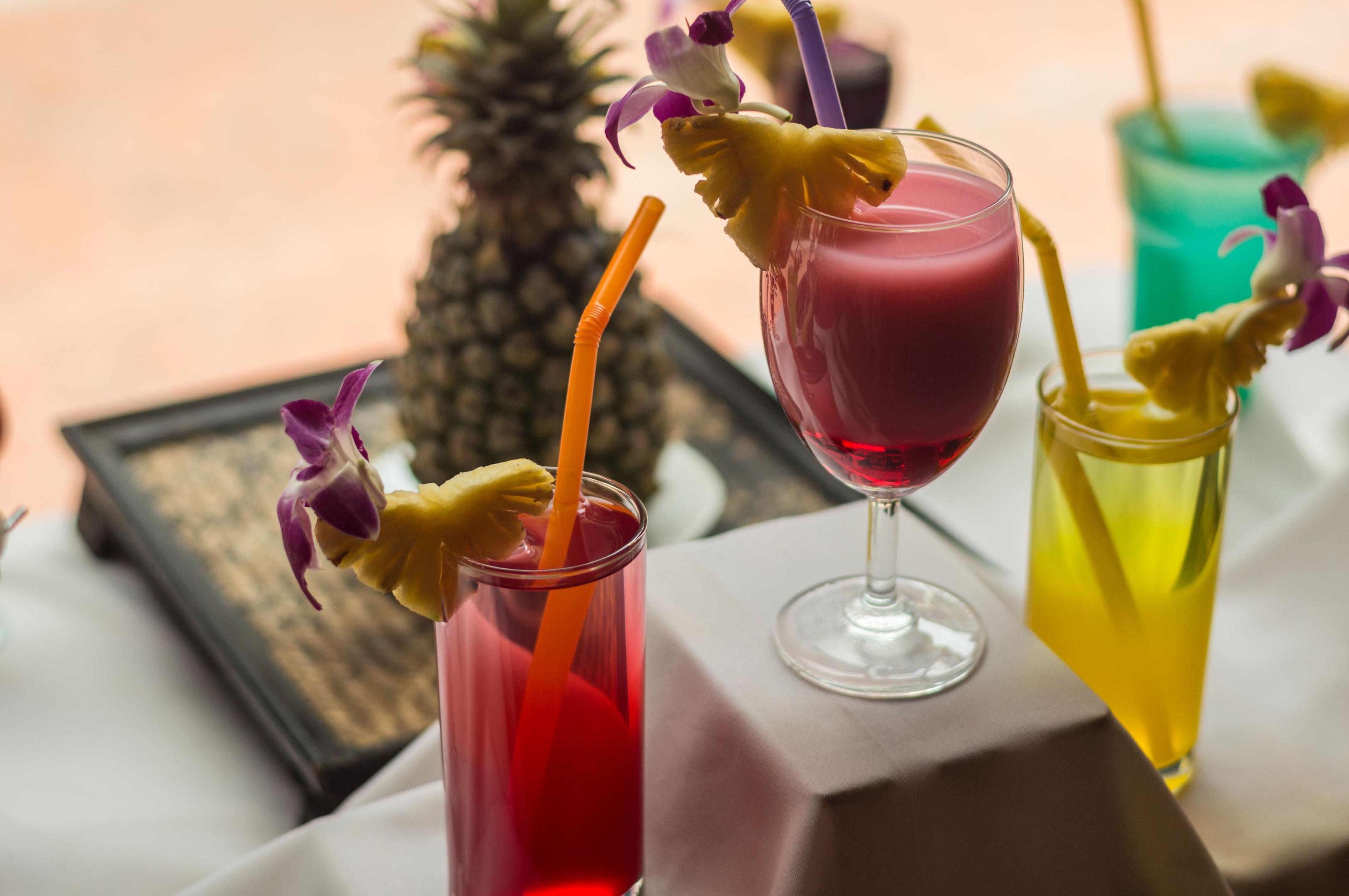
What is working on beverage menus right now:
Mocktails and zero-proof cocktails. 23% of participants in "Dry January" chose mocktails in 2022, and that number keeps climbing.
Functional ingredients. Bars are crafting cocktails using ingredients like kombucha and adaptogens for gut health and stress support.
Savory profiles. Savory profiles in non-alcoholic drinks are gaining traction in bars, with ingredients like rosemary, black pepper, and smoked salt.
House-made sodas and lemonades. These cost pennies to produce and sell at premium prices.
Wellness lattes. Turmeric golden milk, mushroom-based drinks, and matcha variations appeal to health-focused guests. The boundary between coffee shops and fine dining is dissolving as these beverages appear across formats.
How to act on this trend: Configure VoiceBit's AI ordering to suggest profitable beverage pairings whenever a guest orders popular food items by phone or SMS. A simple prompt like "Would you like a house-made ginger limeade with that?" can add $4 to $7 per order with zero staff effort.
Accessible Luxury: Fine Dining Techniques in Casual Formats
The demand for accessible luxury is creating a new wave of dining concepts where fine dining techniques meet neighborhood price points. Think dry-aged beef burgers at a fast casual counter, house-fermented condiments on a brunch menu, or a tasting-menu dinner hosted monthly in a casual bistro.
Farm-to-table restaurants source seasonal ingredients from local farms, and farm-to-table dining promotes freshness and sustainability in meals. Restaurants often name local farmers on their menus to highlight sourcing, which builds trust and justifies premium pricing. The farm-to-table concept supports local economies and reduces food miles, giving operators a compelling story to tell.
As one example of why transparent sourcing supports accessible luxury, over 70% of UK consumers prefer organic options when dining out, reinforcing the value of quality-driven sourcing in these formats. Restaurants are also elevating breakfast into an exclusive event, with chef-driven brunch menus and baked goods made with heritage grains.
Practical ways to bring this to life:
Offer special events like Valentine's Day or Super Bowl tasting menus with premium ingredients
Run chef's counter nights or guest chef collaborations as ticketed experiences
Add modifiers like truffle, aged cheese, or wagyu as opt-in upgrades so price-sensitive guests are not excluded
How to act on this trend: VoiceBit-powered restaurant websites and ordering flows can highlight chef stories, ingredient sourcing, and special menus. Photo courtesy of your kitchen team or local farm partners adds authenticity. Feature these offerings prominently across phone, web, and SMS channels without needing an expensive marketing agency.
Immersive, Experiential Dining and Pop Ups
Dining experiences are becoming more educational and engaging. Immersive restaurants create themed dining experiences for guests that go far beyond the plate. The most dramatic examples set the bar: Ninja Restaurant in New York offers magic shows and martial arts, Dinner in the Sky serves meals at 50 meters high, and Under is Europe's largest underwater restaurant. Immersive dining experiences enhance emotional connections to brands, which translates directly into loyalty and word-of-mouth.
You do not need to build a underwater restaurant to benefit from this trend. Practical ideas for independent operators:
Seasonal tasting menus tied to holidays or local events
Collaborations with local brewers, distillers, or artisan producers
Limited-run global cuisine pop ups hosted on slower nights
Ticketed catering events or chef residencies
Meals are transforming into curated storytelling and health optimization experiences. Even a well-narrated tasting menu with printed cards explaining each course creates the kind of dining experience guests share on social media.
How to act on this trend: Use VoiceBit to support these efforts with custom phone prompts that share event information, easy reservation links on your VoiceBit-built website, and pre-ordering options for add-ons like cocktails or desserts.
Technology and AI: From Food Trend to Operational Reality
Following food trends is only half the equation. Without operational tools, even the best menu ideas fall apart in execution, especially those in a tight labor market. Automated ordering kiosks enhance efficiency in restaurants, chatbots streamline customer service in the restaurant industry, and facial recognition technology personalizes customer experiences in restaurants at the enterprise level.
For independent restaurant owners, the most immediate ROI comes from AI voice ordering and direct ordering platforms. VoiceBit captures every incoming call, processes orders accurately in English and Spanish, and routes them directly into your POS. Real results from VoiceBit case studies show restaurants recovering roughly 30% of revenue previously lost to missed calls and freeing up over 20 hours per week in staff time.
Key VoiceBit capabilities for trend-driven menus:
Accurate handling of complex modifiers (no cheese, substitute salads for fries, extra spice)
Personalized upsell suggestions based on what the guest is ordering
Automated handling of delivery versus pickup instructions
Rapid menu updates when you add or remove limited-time items
Bilingual support for diverse customer bases
The growth of restaurant AI is massive. The market was valued at about $9.68 billion in 2024 and is projected to reach $49 billion within five years. This is not experimental technology. It is operational infrastructure.
Personalization, Loyalty, and Data-Driven Menu Decisions
Restaurants are focusing on customization and personalized dining experiences. Guests expect to build their own bowls, burgers, and salads while receiving offers that reflect their preferences. Restaurants are adopting rotating limited-time offers to engage consumers and keep menus fresh.
Data shows that 59% of consumers actively look for allergen and dietary information when ordering, and 87% say a perk or discount influenced them to reorder. Direct ordering channels let you own this data instead of handing it to a third-party app.
How VoiceBit enables personalization:
Connect AI voice ordering, web ordering, and SMS to customer profiles
Track ordering patterns to identify which food trends resonate most with your audience
Send tailored promotions and rewards via SMS for favorite dishes or new menu launches
Use voice transcript data to spot demand for modifiers, cuisines, or ingredients you are not yet offering
The restaurants that win on loyalty are the ones that know what their guests want before the guest has to ask.
Use this data to cull underperforming menu items and double down on profitable ones, keeping your focus on what guests actually want. Test seasonal updates and limited-time offers, measure results within days, and iterate. Draw inspiration from your own order data rather than guessing what the year ahead will bring.
Marketing Your Trend-Forward Restaurant for Search and AI Discovery
Your menu and concept need to be discoverable. Research shows that 55% of first-time orders come from consumers browsing, not searching for a specific restaurant. If your website does not reflect your food trends, you are invisible to those diners.
Restaurants are using AI for hyperlocal search optimization, and you should be too. Practical advice for on-page SEO:
Use descriptive dish names: "Korean Gochujang Wings" ranks better than "Spicy Wings"
Add location keywords: "best ramen in Austin" or "fine dining tasting menu near downtown"
Structure your site with clear headings for menu categories, hours, and location
Include schema markup for menus, hours, and reservations so voice assistants and AI search tools can recommend you
Maintain consistent name, address, and phone details across all listings
VoiceBit offers SEO-friendly, conversion-focused restaurant websites that integrate directly with AI ordering flows. This means your website is not just a brochure. It is an active sales channel that helps you show up where modern diners and customers search, whether through Google, Siri, or AI-powered discovery tools.
Putting It All Together: A Trend-Driven, AI-Powered Growth Plan
Following food trends strategically can increase visits, average check, and loyalty. But success depends on having the right technology, menu strategy, and marketing working together.

Here is a simple roadmap for the year ahead:
Audit your menu against 2026 trends. Identify where comfort food, global flavors, health, beverage trends, and snacking are underrepresented. Look at what your data tells you about demand and sales patterns.
Test with limited-time offers. Roll out new items as LTOs through phone, web, and delivery channels. Measure performance with VoiceBit's analytics before committing to permanent menu changes.
Upgrade your ordering channels. Deploy direct ordering with AI voice, SMS, and web to capture every order, reduce missed calls, and cut third-party commissions. VoiceBit handles this end to end with POS integration and payment processing.
Track and refine. Monitor item sales, modifier requests, daypart performance, and average check. Drop what does not work. Promote what does. Repeat monthly.
Align your marketing. Update your VoiceBit-built website, listings, and SEO strategy to reflect your trend-forward menu. Highlight allergen info, sourcing stories, and special events so new guests find you through search and AI discovery.
VoiceBit serves as the central platform enabling this entire cycle: from AI phone ordering that never misses a call, to website building, payment processing, delivery coordination, and loyalty integration. Whether you run a single-location taqueria or a multi-unit fast casual group, the tools are built for your scale.
The restaurants that thrive in 2026 will be the ones that treat food trends as a growth engine and back them with technology that executes consistently.
Visit voicebit.ai to explore how AI ordering and a conversion-ready website can help you capture the revenue that today's food trends are creating. Check out their case studies, see the platform in action, and start turning every call, click, and visit into a sale.
Why VoiceBit
VoiceBit was built for restaurants that want to capture every order, answer every call, and keep customers coming back, without adding more work for staff. Our AI Voice Employee answers 24/7 in English and Spanish, takes orders, captures customer details, and routes complex calls to your team with full context.
Hear what real calls sound like below, then book a free demo or learn more about our phone AI.
Interested in VoiceBit?
Book a free demo or learn more about our AI Voice Employee.