National Restaurant Association Show Chicago: We Just Got Back—Here's What We Noticed
© National Restaurant Association Show 2026
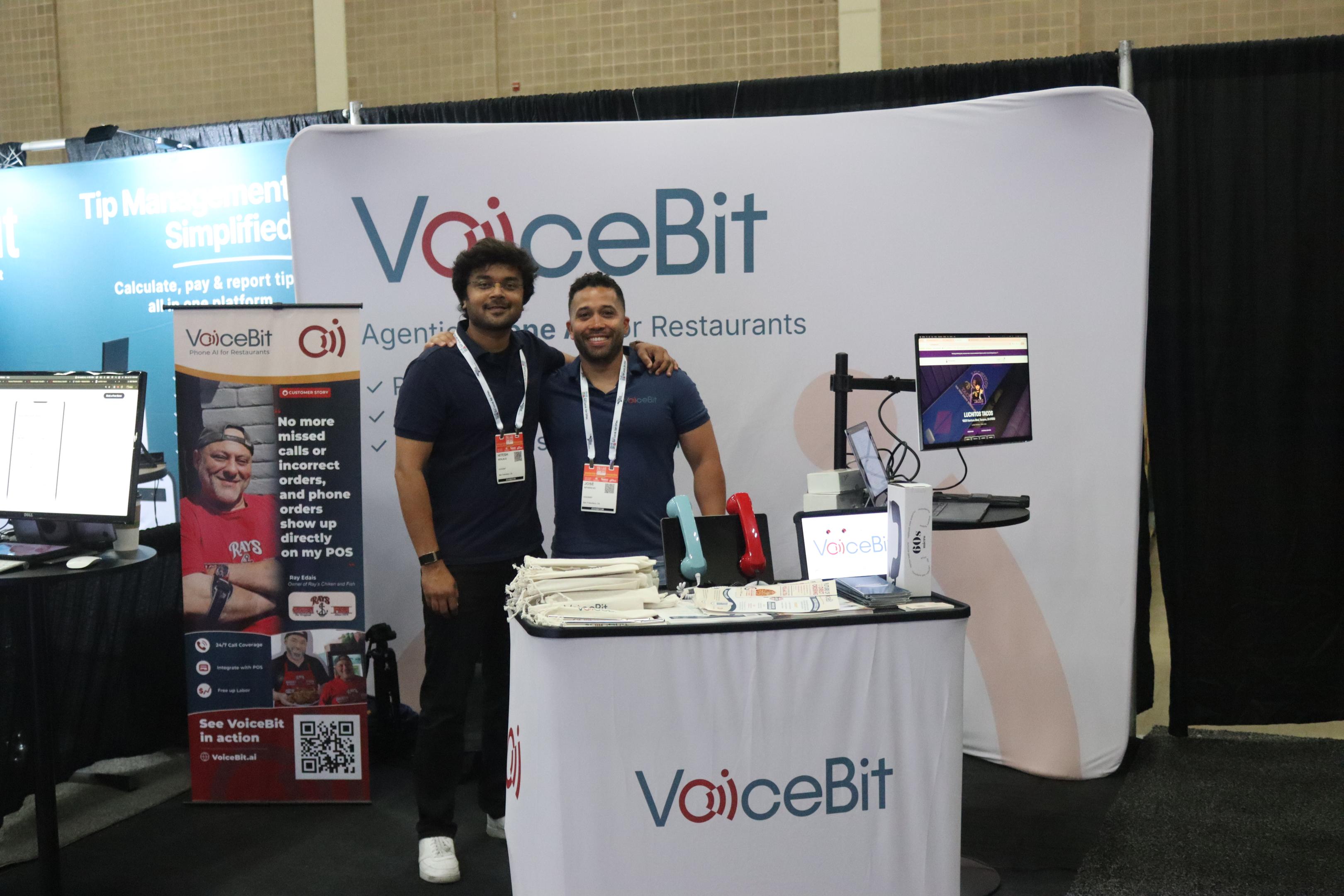
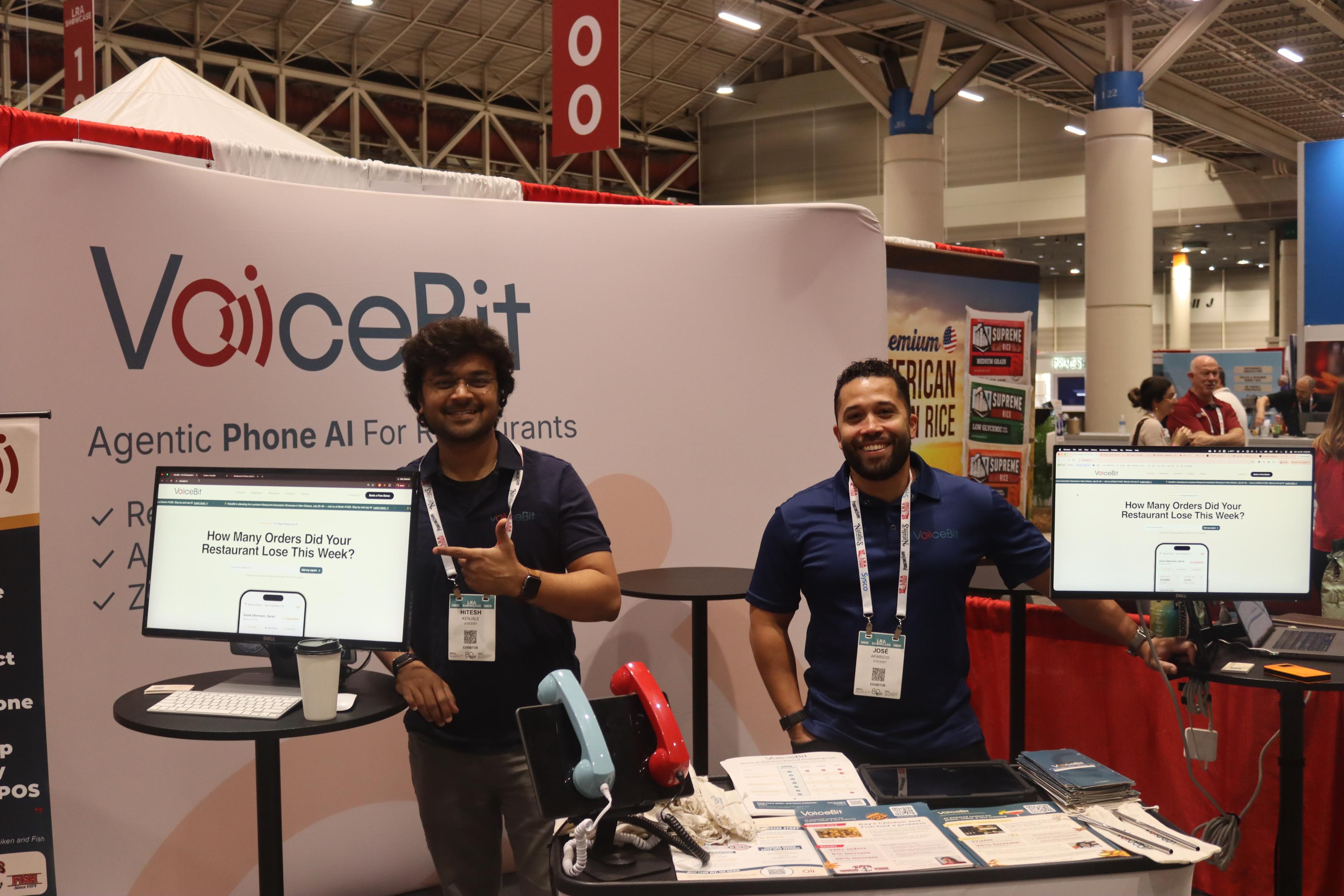
A recap from the VoiceBit team
We're back from Chicago, and honestly, it was a good one.
For those who haven't been, the National Restaurant Association Show is basically the Super Bowl of the food service industry. Operators, vendors, chefs, equipment manufacturers, tech companies... everyone shows up, and if you're paying attention, you start to notice patterns in what people are talking about and excited about.
This year we were there as exhibitors, which meant we got to do a lot of walking the floor, meeting people, and having real conversations. Not the polished booth-pitch kind. The kind where someone tells you what's actually keeping them up at night.
A few things kept coming up. Here's what stood out.
People are done with sad "dietary restriction" food at the restaurant association show
For a long time, gluten-free and plant-based options on a menu felt like an afterthought. Like the kitchen made the real menu first, then figured out the substitutions. You know the ones: the asterisked item at the bottom, slightly apologetic in tone.
That attitude is shifting, and the vendors we met at the show were a big part of why.
Beth Gordon was there showing off products from Antonina's Gluten-Free Bakery, which just made the leap from retail into food service. She was refreshingly blunt about her philosophy:
"Everything should taste really good. If you have a gluten-free brownie, the whole table should love the brownie. That person shouldn't feel like they're eating something nobody else wants to eat."
That framing matters more than it might seem. Dining out is a social thing. You go with friends, family, coworkers. If one person in the group has a dietary restriction, the whole table ends up at a restaurant that works for them. Operators who figure that out stop thinking about accommodation as a burden and start seeing it as a reason for people to choose them.
Beata Pabian from Jack & Annie's, a jackfruit-based meat alternative brand, made a similar point but took it one step further. It's not just about having quality options there's a quantity aspect as well. It's about building dishes that are genuinely good and happen to work for more people. That if someone has dietary restrictions, they shouldn't have to settle for a second rate meal, or an afterthought. Not "here's the vegan version of our burger." More like: here's a dish we're proud of that a flexitarian, a vegetarian, and someone who just likes good food can all order.
She put it simply: if people love your restaurant, they come back. And when they come back, they want to see something new. A single token dish doesn't cut it.
The FABI Awards also spotlighted products that help operators keep menus fresh and attract customers.
AI is everywhere at the national restaurant association show, but the good conversations were about the boring stuff
There's a version of "AI in restaurants" that's all hype and no substance. Smart menus that learn your preferences! Robots making your food! We heard some of that.
But the conversations that actually stuck with us were a lot more practical, with educational opportunities built around real business challenges and actionable tools to improve efficiency and adapt to consumer behavior. Sessions led by industry experts dug into labor efficiency and supply chain management. Interactive hubs also zeroed in on front-of-house and back-of-house efficiencies.
Alexander Gallagher from Plainsight builds computer vision tools that help restaurant operators track what's happening in the kitchen without needing a manager hovering over everything. His framing of the problem was one of the clearest we heard all show, and it fit an event where attendees were also tasting new trends, testing cutting-edge hardware, and gaining operational knowledge. The Innovations Showcase reinforced that focus with kitchen equipment, AI, and smart robotics aimed at reducing waste and controlling costs:
"A big problem for restaurants is getting consistent operations across the fleet, and that has the human dynamic involved. There's good, there's badness and different. Getting consistency is core and key. So putting in AI systems really allows you to layer that over the top."
Consistency. That's it. Not futurism, just the very real and very expensive problem of making sure location #4 runs like location #1. That each time a customer returns they don't have to worry about their order being lower quality then the last.
Alexander also made a point about turnover that clicked: when you automate repetitive tasks, roles are easier to learn and easier to train for. In an industry where people cycle through jobs constantly, that's not a small thing.
Our own CEO Hitesh spoke on the profitability side of AI adoption, tying foodservice innovation to one of the show's clearest themes: AI-enabled technology and smarter kitchen solutions built around operational efficiency:
"A lot of AI is now giving you new insights and details into your operations that was humanly impossible to capture before. With that, you're able to now effectively improve your profitability."
He was also pretty direct about one of the most common mistakes he sees: restaurants leaning so hard on third-party delivery platforms that they've basically handed their customer relationships over to a middleman.
"Start focusing on the direct mediums. If people want to order today, they should have the ability to do that, so they don't have to go to a third party and get lost in it."
That's something we think about a lot at VoiceBit. Our service is helping restaurants take back control of how people order, phone and web, so the revenue and the relationship stays with the restaurant. You can read more about how that works here →
Everyone's talking about "the experience" at the national restaurant association and they actually mean it
This one was harder to put a finger on at first, but the more conversations we had, the more we heard some version of the same idea: people aren't just going out to eat anymore. They're going out to be somewhere, to connect in person and visit places that offer an experience.
Isaac Wexel from ATS MFG has been making restaurant furniture for 30 years, and he had a lot to say about how much the physical environment shapes the guest experience in ways operators don't always think about.
"Hospitality can come in many ways. It can be everything from how you want your chairs designed, comfortable but not too comfortable because you want high turnover, or at a bar, where you want the softest seats so somebody can really sit and enjoy the experience."
His bigger point: food by itself hits one or two senses. A great restaurant hits all of them. The lighting, the sound level, the feel of the seat. All of it is part of the experience, even if guests can't always articulate why they did or didn't want to return.
When we asked Isaac why hospitality feels like such a big theme right now specifically, he said something we keep coming back to:
"People are searching for experiences. We live in an age where you can see everything at the click of a button. A lot of us are really searching for that in-person experience, because it's such a digital world. People visit shows like this to discover ideas they can bring back to their spaces. Creating that environment where you can just be present and have a memory, that's why it's so big right now."
Matthew Moha from American Arcade had a fun take on this from a different angle. His company makes arcade games and entertainment machines for restaurants and bars. Not every concept needs it, but for places where people are hanging around, it gives them a reason to stay longer, spend more, and actually enjoy themselves while also providing passive revenue. Allowing operators to not only provide a nostalgic and comforting experience, but generate additional income.
If they love the food, a customer might just order delivery, but if they love the experience they'll go out of their way to come in, and that creates more success for a restaurant or bar.
So what does all this mean for the association show?
If there's a thread connecting all three of these, it's this: at the largest annual trade event in the Western Hemisphere for foodservice, restaurant, and hospitality professionals, the restaurants doing well right now aren't just executing on the basics. The 2026 show will take place May 16–19, 2026, in Chicago at McCormick Place. It's a business-to-business show open only to professionals age 21 and older. They're thinking harder about the whole picture. Who's at the table, what they need, how the space makes them feel, and whether the technology running in the background is actually working for them.
Networking events such as the Official Show After Party also give attendees a relaxed way to forge connections.
That last part is where we come in. VoiceBit helps restaurants own their ordering channels, phone and web, so they're not losing customers or revenue to third-party platforms. In 2026, the show is expected to host over 55,000 foodservice professionals from 112 countries. It will feature 2,300 exhibiting companies across 720,000 square feet and more than 900 product categories. Highlights include live culinary demos, keynotes from industry leaders, and curated zones for international flavors. If anything we saw at the show resonates with where you're trying to take your business, we'd love to have you join the conversation. For more information, contact us with any questions.
Why VoiceBit
VoiceBit was built for restaurants that want to capture every order, answer every call, and keep customers coming back, without adding more work for staff. Our AI Voice Employee answers 24/7 in English and Spanish, takes orders, captures customer details, and routes complex calls to your team with full context.
Hear what real calls sound like below, then book a free demo or learn more about our phone AI.
Interested in VoiceBit?
Book a free demo or learn more about our AI Voice Employee.