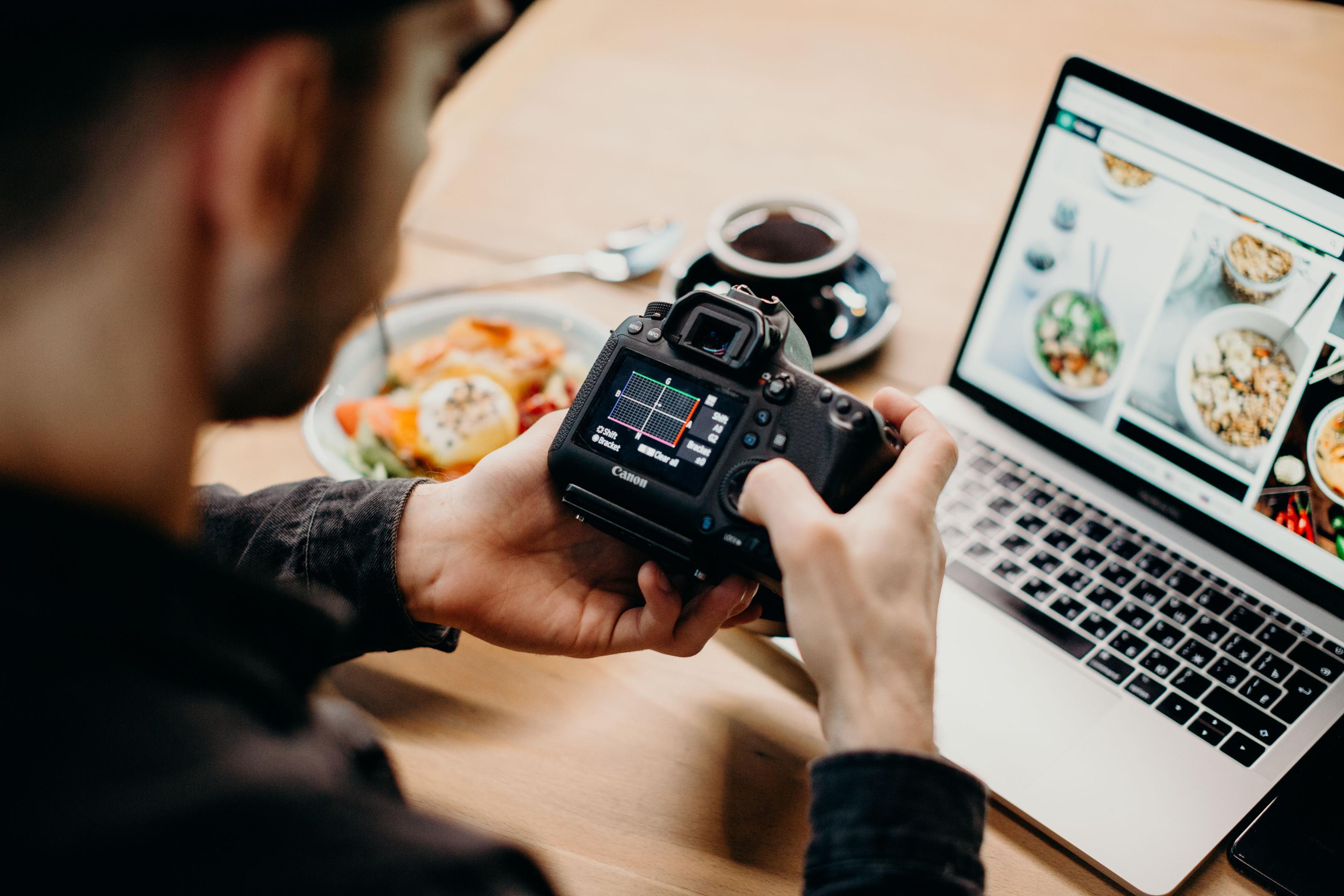
Best Restaurant Advertising Ideas to Drive Revenue in 2026
Every restaurant owner knows that serving delicious food is only half the battle. The other half is making sure people know about it, order from you directly, and come back again. Restaurant advertising encompasses everything from social media posts and search engine visibility to how you handle phone calls, text messages, and customer data. It is the engine behind every full dining room and every completed takeout order.
What separates effective restaurant marketing ideas from wasted budget? Measurable impact on revenue. With 89% of consumers researching restaurants online before dining and most diners searching for nearby food options before making dining decisions, your advertising must meet customers where they already are. Effective restaurant marketing blends digital visuals with community-driven engagement to attract customers across every channel.
This guide covers seven proven restaurant advertising ideas selected for their ability to drive real results. Whether you run a single location or a growing chain, these strategies will help you market a restaurant more effectively in 2026 and beyond.
How We Chose the Best Restaurant Advertising Ideas
Not every marketing strategy deserves your time or money. We evaluated each restaurant marketing tactic against criteria that matter most to independent restaurants and small chains operating in a competitive market.
Here is what we looked for:
ROI and revenue impact. Does this strategy recover lost revenue, increase order value, or reduce costs like third-party commissions and labor?
Cost-effectiveness. Can an independent restaurant business implement this without a massive upfront investment?
Measurable results. Can you track outcomes through customer data, analytics dashboards, or order metrics?
Integration with existing systems. Does it work with your current POS, phone lines, and ordering workflow?
Scalability. Can you expand from one location to multiple sites without rebuilding from scratch?
Customer acquisition and retention. Does it bring in new customers and keep existing ones coming back?
Ease of implementation. How quickly can you launch, and how much ongoing management is required?
These criteria form the foundation of a strong restaurant marketing plan. The best restaurant marketing ideas are those that score well across multiple criteria, not just one. The seven strategies below represent the most effective marketing strategies available to restaurants in 2026, each addressing different marketing channels and customer touchpoints.
Top 7 Restaurant Advertising Ideas That Drive Results
1. AI Voice Ordering and Phone Automation
AI voice ordering uses natural language processing to answer restaurant phone lines, take complete orders with modifiers and substitutions, process payments, and send orders directly to your POS and kitchen display. Unlike basic "press 1 for..." phone trees, modern voice AI handles real conversations, manages multiple simultaneous calls, and works in multiple languages. VoiceBit is a leading platform in this space, providing phone, web, and SMS ordering through a single system that connects to your existing phone lines with no new hardware required.
Why It Stands Out
The biggest revenue leak most restaurants ignore is missed phone calls. During peak hours, restaurants miss 20 to 40% of incoming calls. That is money walking out the door.
Consider these real outcomes from restaurants using VoiceBit:
Big Apple Pizza in Livermore was missing 42% of its calls and losing delivery margin to third-party apps. After implementing VoiceBit, they reclaimed approximately 30% of previously lost revenue.
Ray's Chicken and Fish automated over 200 weekly phone orders, recovered 20+ staff hours per week, and eliminated missed calls entirely.
Chando's Tacos eliminated 8-minute hold times across Sacramento locations, increased the number of phone orders by 42%, and saw a 15% increase in average ticket size through consistent AI-driven upselling.
AI voice ordering does not just answer calls. It actively increases revenue by suggesting add-ons, handling modifiers accurately, and keeping the online ordering experience seamless for customers who prefer to call.
Best For
Independent restaurants receiving high phone order volume
Establishments wanting to reduce labor costs and fees from delivery services like Uber Eats and other third-party platforms
Key Strengths
24/7 order capture without staff intervention, including after-hours and late-night orders
Direct integration with existing POS systems (Toast, Square, Clover) and payment processing
Customer data collection from every call, building profiles that fuel targeted marketing campaigns
Labor cost reduction of 50 to 75% per phone order compared to human staff
Average order value increases of 12 to 25% through consistent upselling
Possible Limitations
Initial setup requires clean, accurate menu data including modifiers, combos, and allergen information. Menu programming typically takes about 5 business days with VoiceBit.
Some customers prefer a human voice, though VoiceBit's natural language agents maintain a conversational, branded tone with fallback options to live staff when needed.
2. SMS Marketing and Customer Retention Campaigns
SMS marketing sends targeted text messages to opted-in customers with promotions, order confirmations, loyalty updates, and time-sensitive offers. When integrated with a platform like VoiceBit, SMS becomes part of a unified ordering and retention system. Customers can receive order confirmations, payment links, and promotional messages all through text, and even place orders via SMS.
Why It Stands Out
SMS open rates hover around 98%, compared to 20 to 25% for email. Response rates for restaurant SMS campaigns reach 20 to 35%, making it the fastest way to drive immediate action from your customer base. When a lunch special needs to fill seats in the next two hours, SMS delivers.
The cost is remarkably low. One small business campaign sent approximately 5,000 SMS messages in a month for about $80 in messaging fees and generated meaningful revenue in return.
Best For
Restaurants with customer databases seeking repeat business and repeat customers
Establishments running time-sensitive promotions, events, and seasonal offers
Key Strengths
Instant delivery and high engagement rates that outperform every other marketing channel
Integration with customer profiles and ordering history through platforms like VoiceBit, enabling behavior-based messaging
Automated campaign triggers based on customer behavior, such as win-back offers for lapsed customers or offering birthday discounts to attract new customers back
Possible Limitations
Opt-in requirements and TCPA compliance are non-negotiable. You must collect explicit permission before sending.
Risk of over-messaging and subscriber fatigue. Quality and timing matter more than volume. Coupons can significantly increase new customer visits, but sending them daily will drive opt-outs.
3. Local SEO and Google Business Profile Optimization
Local SEO is the practice of optimizing your restaurant's online presence to appear in local search results when potential customers search for dining options nearby. Your google business profile is the single most important asset in this effort, controlling how you appear on google maps and in "restaurants near me" queries.
Why It Stands Out
This is free advertising with high-intent traffic. When someone searches "pizza delivery near me," they are ready to order. Google My Business helps restaurants appear in local searches, and 77% of diners visit a restaurant's website before dining. Being visible at that moment of decision is worth more than most paid campaigns.
High-quality reviews improve restaurant visibility in search results, while optimizing your website can improve its search engine ranking for terms that matter to your local market.
Best For
Restaurants targeting local neighborhood customers and appearing in restaurant searches
New restaurants building online presence and credibility
Key Strengths
Cost-effective long-term advertising as part of your search engine optimization efforts
Improved visibility on google maps and in local search results
Customer review integration and reputation management across review platforms like Yelp, which has over 178 million unique visitors monthly
To maximize results, keep your profile up to date with accurate hours, your online menu, and photos. Encourage reviews after every order, whether through a follow-up SMS or a card with the receipt. Respond to both positive reviews and negative reviews promptly. Post your menu online so customers can browse before calling or ordering.
Make sure your website is mobile friendly, since most restaurant searches happen on phones. A well-optimized site with schema markup for local business and a direct ordering link turns search engine traffic into actual orders.
Possible Limitations
Time investment for consistent content updates, photo uploads, and review responses
In a competitive market, ongoing SEO efforts are required to maintain rankings against other restaurants
4. Social Media Advertising and Content Marketing
Social media marketing uses platforms like Instagram, TikTok, and Facebook to reach potential customers through visual content, paid ads, and community engagement. For restaurants, food is inherently visual, making social media accounts a natural fit for driving discovery and building brand identity.
Why It Stands Out
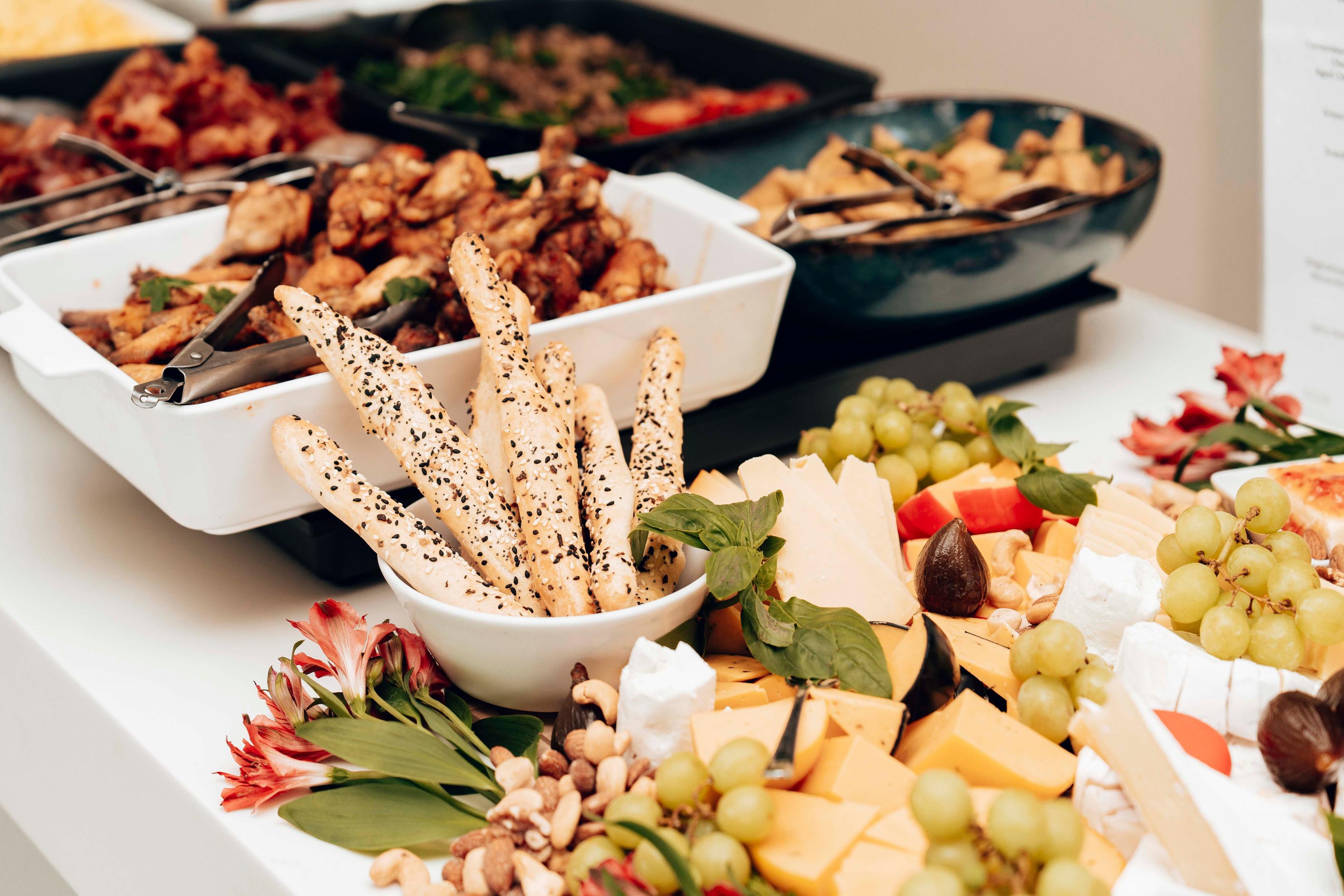
Using Instagram and TikTok for high-quality visuals is crucial for restaurant marketing. Food photography, short-form video of kitchen action, and behind-the-scenes content perform exceptionally well on these platforms. Facebook had 3.07 billion active users as of 2025, and 48% of consumers use social media to find places to eat.
A strong social media presence includes visually appealing content and community engagement. Instagram is crucial for showcasing food and restaurant atmosphere, from plating close-ups to shots of outdoor seating and the dining experience.
Best For
Restaurants with photogenic menu items, unique atmosphere, and delicious food worth photographing
Establishments targeting younger demographics and food enthusiasts
Key Strengths
Visual storytelling through food photography and videos that showcase your brand identity and consistent branding, which improves recognition and appeal of restaurant images
User generated content can significantly increase brand engagement. Encourage customers to post their meals and tag your restaurant. Restaurants can increase visibility by tagging other local businesses in posts as well.
Partnering with local food creators effectively drives foot traffic to restaurants. Working with food bloggers and food influencers who have local followings generates authentic reach. 77% of restaurant-goers trust peer recommendations, making creator partnerships especially powerful.
Your facebook business page serves as a hub for events, promotions, and customer interaction. Maintain an active facebook business presence alongside Instagram and TikTok.
Possible Limitations
Constant content creation and management requirements across multiple social media accounts
Algorithm changes can reduce organic reach, making paid promotion necessary to maintain visibility. Social media marketing works best when paired with direct channels like phone and SMS ordering.
5. Customer Data Analytics and Targeted Campaigns
Customer data analytics involves collecting, analyzing, and acting on information from every customer interaction, whether by phone, web, SMS, or in-person. Platforms like VoiceBit capture call transcripts, order history, favorite items, channel preferences, and spending patterns, then surface these insights through an analytics dashboard.
Why It Stands Out
When you know that a customer orders the same meal every Thursday, or that they have not ordered in three weeks, you can craft marketing campaigns that speak directly to their behavior. Personalization increases customer lifetime value because it replaces generic promotions with relevant, timely offers.
VoiceBit's dashboard provides visibility into metrics that matter: missed calls recovered, AI-handled call volume, revenue per channel, average ticket size, and upsell performance. Customer stories from the platform show restaurants reclaiming 30% of revenue and increasing ticket sizes by 15% simply by understanding and acting on their data.
Best For
Restaurants with multiple customer touchpoints and order channels needing to consolidate data
Establishments seeking to increase average order value and frequency across their customer base
Key Strengths
Detailed customer profiles and behavior tracking from phone, web, and SMS interactions
Automated campaign triggers based on purchase history, such as re-engagement offers or personalized recommendations
ROI measurement and campaign optimization across all marketing efforts, giving you clarity on which marketing channels are performing
Since 77% of restaurant-goers trust peer recommendations over critics, combining data-driven outreach with customer stories and testimonials creates campaigns that feel personal rather than transactional.
Possible Limitations
Data integration complexity when using multiple disconnected systems. Platforms like VoiceBit that consolidate phone, web, and SMS data simplify this significantly.
Privacy compliance and data security considerations under laws like TCPA and CCPA require careful handling of customer information.
6. Loyalty Programs and Repeat Customer Incentives
A loyalty program rewards regular customers for repeat orders, encouraging them to choose your restaurant over competitors and order directly rather than through third-party apps. Programs range from simple punch cards to app-based point systems integrated with your POS.
Why It Stands Out
Loyalty programs can increase sales by up to 30%. Acquiring a new customer costs significantly more than retaining an existing one, making loyalty the most efficient path to revenue growth. Built-in advertising happens naturally through member communications, referral incentives, and word-of-mouth from loyal customers.
VoiceBit's platform includes loyalty tools that connect across phone, web, and SMS ordering, allowing restaurants to track and reward repeat business across every channel. When customers order directly through VoiceBit instead of through platforms like Uber Eats, restaurants avoid 15 to 30% commission fees, keeping more margin on every repeat order.
Best For
Restaurants with a regular customer base seeking increased visit frequency and brand loyalty
Establishments operating in saturated markets needing differentiation, from a busy coffee shop to a growing pizza chain
Key Strengths
Loyalty programs can increase restaurant sales by up to 30%, directly impacting your bottom line
Gamified loyalty programs can enhance customer engagement and repeat visits, turning ordering into a rewarding experience
Loyalty programs can be integrated into point-of-sale systems, making tracking seamless
Punch cards are effective for encouraging repeat visits at simpler operations, while digital programs scale better
Exclusive discounts can enhance customer loyalty programs and retain customers who might otherwise drift to competitors
A well-designed program can include a free meal after a set number of visits, happy hour promotions that capture customer attention, or offering 2-for-1 deals that attract new diners
Possible Limitations
Program management and reward fulfillment costs must be balanced against the revenue they generate
Technology platform integration and maintenance require a system that tracks redemptions across channels. VoiceBit handles this natively.
7. Email Marketing and Newsletter Campaigns
Email marketing sends targeted messages to subscribers with menu updates, seasonal promotions, event announcements, and exclusive offers. While SMS dominates for urgency, email marketing allows richer content including photos, stories, and detailed promotional materials.
Why It Stands Out
Email marketing generates $38 for every $1 spent, making it one of the highest-ROI marketing channels available. And 59% of people say marketing emails influence their purchase decisions. Email marketing is more reliable than social media for communication because you own the subscriber list and are not subject to algorithm changes.
Best For
Restaurants with email subscriber databases and regular promotions to share
Establishments announcing new menu items, events, a menu launch, or seasonal offerings
Key Strengths
Direct communication channel with interested potential customers who have opted in
Segmenting email lists increases relevance for different audiences, letting you send different content to catering clients versus regular diners
Regular email campaigns keep diners informed and engaged with your restaurant business
Integration with ordering systems and reservation platforms means you can embed direct ordering links in every message
Possible Limitations
Email deliverability challenges and spam filter concerns require attention to sender reputation and list hygiene
Subscriber list building takes time. Pair it with SMS and voice ordering data collection to grow your list faster.
Quick Comparison of the Best Restaurant Advertising Ideas
Strategy | Best For | Primary Benefit | Speed of Results |
|---|---|---|---|
AI Voice Ordering | High phone order volume, labor cost reduction | Revenue recovery from missed calls | Immediate |
SMS Marketing | Immediate engagement, time-sensitive promotions | 98% open rates, direct action | Immediate |
Local SEO | Neighborhood visibility, organic growth | Free high-intent traffic | Medium-term |
Social Media Advertising | Visual food marketing, younger demographics | Discovery and brand awareness | Ongoing |
Customer Data Analytics | Personalized campaigns, lifetime value | Data-driven decision making | Medium-term |
Loyalty Programs | Repeat customer retention, differentiation | Up to 30% sales increase | Medium-term |
Email Marketing | Cost-effective communication, promotions | $38 return per $1 spent | Ongoing |
Each of these restaurant advertising ideas addresses a different part of the customer journey. The most effective marketing strategies combine several of these approaches through an integrated marketing plan.
How to Choose the Right Restaurant Advertising Strategy
Choose Based on Your Customer Base and Order Volume
If your restaurant receives a high volume of phone orders and regularly misses calls during peak hours, AI voice ordering will likely deliver the fastest and largest ROI. VoiceBit's case studies consistently show restaurants recovering 20 to 42% of previously lost call revenue.
If your phone volume is lower but you have a solid customer base, SMS marketing and loyalty programs may generate stronger returns by driving repeat business and increasing visit frequency. Match your marketing channels to where your customers actually interact with you. Building community relationships can strengthen a restaurant's local reputation, so consider how your local community engages with your brand. 53% of restaurants report hosting in-person events as a top driver for foot traffic, and hosting community events can enhance local engagement and visibility.
Whether you operate a restaurant, a food truck, or a coffee shop, understanding your customer demographics and order patterns is the first step toward choosing the best marketing strategy.
Choose Based on Your Technology Integration Needs
Consider your existing POS system and how easily new tools can connect. VoiceBit integrates natively with major POS platforms like Toast, Square, and Clover, as well as reservation systems like OpenTable and Resy. This matters because disconnected systems create data silos that weaken your marketing efforts.
Platforms that consolidate customer data across phone, web, and SMS channels give you a complete picture of each customer. This powers everything from targeted SMS campaigns to loyalty program tracking to understanding which menu items drive the most revenue.
Choose Based on Your Budget and ROI Goals
Every restaurant marketing plan should balance upfront investment with long-term revenue impact. Here is a practical framework:
Highest immediate ROI: AI voice ordering (recovers lost revenue from day one) and SMS marketing (low cost, high engagement)
Best long-term value: Local SEO (compounds over time) and loyalty programs (increases lifetime value)
Best for awareness: Social media advertising and content marketing (drives discovery)
Partnering with local hotels can increase customer referrals, and collaborating with local businesses can enhance community engagement. Cross-promotions with local charities can boost visibility, and participating in local festivals can showcase your restaurant to new customers. These community-driven efforts complement your digital restaurant marketing strategies.
Partnering with delivery apps can expand restaurant reach, but remember that every order through a third party costs you 15 to 30% in commissions. Prioritize direct ordering channels through platforms like VoiceBit to protect your margins while still meeting customers where they want to eat online.
Which Advertising Option Is Best for You?
Here is a concise decision guide based on your situation:
Choose AI Voice Ordering if you receive high phone order volume and want to eliminate missed calls, reduce labor costs, and increase average order value. VoiceBit handles this end-to-end.
Choose SMS Marketing if you have an existing customer database, run regular promotions, and want more customers responding to time-sensitive offers.
Choose Local SEO if you need neighborhood visibility and long-term organic growth in local search results.
Choose Customer Data Analytics if you want to maximize lifetime value, personalize marketing campaigns, and make data-driven decisions about your marketing materials and menu items.
Choose Loyalty Programs if you want to retain customers in a competitive market and turn regular customers into loyal customers who order directly.
For most restaurants, the answer is not one strategy but a combination. The restaurants seeing the strongest results in the restaurant industry today are those using integrated platforms that connect voice, SMS, web, and loyalty into a single system.
Final Thoughts
The restaurant advertising landscape in 2026 rewards restaurants that own their customer relationships, capture every order opportunity, and use data to drive decisions. The hospitality industry is increasingly competitive, with new restaurants opening constantly and third-party platforms taking larger cuts of every transaction.
The best advertising approach depends on your restaurant's size, customer base, and revenue goals. But one pattern is clear: restaurants that integrate their phone, web, and SMS ordering into a unified platform gain an edge in both efficiency and customer retention.
VoiceBit provides exactly this kind of integrated system, combining AI voice ordering, SMS marketing, direct online ordering, loyalty programs, and customer analytics into a single platform purpose-built for restaurants. If you are losing calls, paying high commissions, or struggling to retain customers, it is worth evaluating how a platform like VoiceBit can consolidate your marketing efforts and recover revenue you are currently leaving on the table.
Start by calculating how many calls your restaurant misses each week. Multiply that by your average order value. That number represents the opportunity waiting for you.
Why VoiceBit
VoiceBit was built for restaurants that want to capture every order, answer every call, and keep customers coming back, without adding more work for staff. Our AI Voice Employee answers 24/7 in English and Spanish, takes orders, captures customer details, and routes complex calls to your team with full context.
Hear what real calls sound like below, then book a free demo or learn more about our phone AI.
Interested in VoiceBit?
Book a free demo or learn more about our AI Voice Employee.
Related Articles
Restaurant Social Media Ads: How to Turn Scrolls Into Sales (and Own Your Data with VoiceBit)
Marketing Strategy of Restaurants: The Data-Driven Playbook for 2026