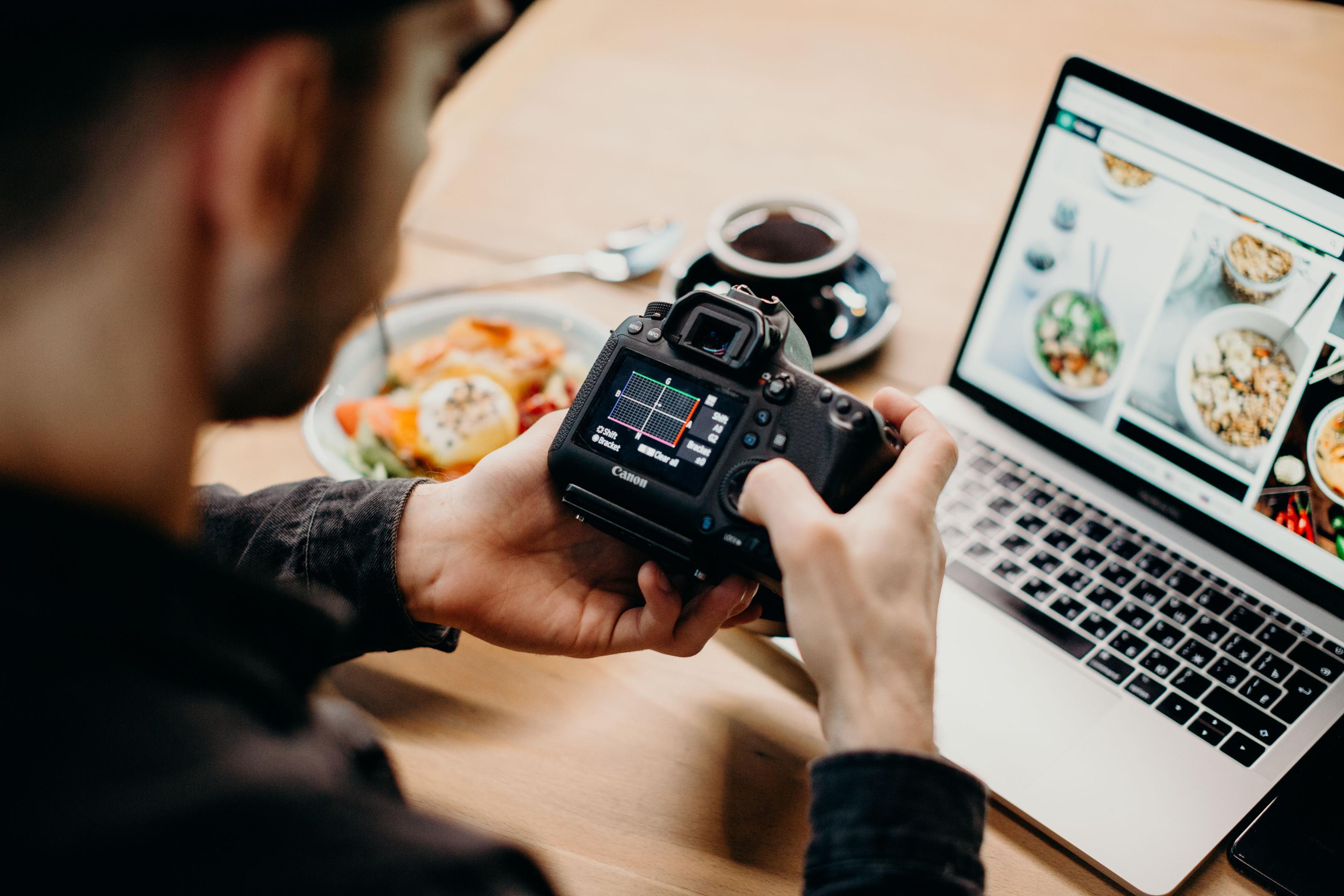
Restaurant Advertisement: The Complete Guide to Marketing Your Restaurant in 2026
Running a restaurant business means you already know how to create great food and deliver an exceptional dining experience. But getting more customers through your doors requires a different skill set entirely. Restaurant advertising has evolved dramatically, and the restaurants thriving today are those combining multiple channels with smart data capture to reach potential customers effectively.
This guide will walk you through everything you need to know about launching restaurant ad campaigns that actually drive traffic and generate sales. From setting up your foundational digital marketing presence to leveraging AI tools for customer data capture, you will learn the most effective ways to grow your business. Enhancing your restaurant's visibility and clearly defining your target audience are essential steps for successful restaurant advertisement.
Understanding Restaurant Advertising Fundamentals
Before diving into specific tactics, it is important to understand the two main categories of restaurant advertising: paid and organic.
Paid advertising involves promoting your products, services, or brand through direct payment to increase visibility and reach. This includes methods like pay-per-click ads, social media ads, and TV commercials. Organic advertising earns exposure without massive budgets, including strategies like search engine optimization, social media posts, and word of mouth recommendations.
The best restaurant ads combine both approaches. Effective restaurant advertising combines several channels, with foundational strategies including optimizing a Google Business Profile, building a social media presence, and creating an email list of existing guests. It's also crucial to consider your restaurant ads share, how much of your overall marketing budget and messaging is allocated to each advertising channel, to maximize visibility and engagement.
Here is a breakdown of primary advertising channels:
| Channel Type | Examples | Best For |
|---|---|---|
| Paid Ads | Google Ads, Instagram Ads, Facebook Ads | Immediate visibility, targeting specific demographics |
| Organic | SEO, social posts, content creation | Long-term brand building, cost efficiency |
| Direct | Email marketing, SMS campaigns | Customer retention, personalized offers |
| Community | Local events, sponsorships | Building trust, local community presence |
Building Your Digital Foundation
Every successful advertising strategy starts with the basics. For local restaurants, this means establishing your presence where potential guests are already searching.
Google Business Profile Best Practices
Your Google Business Profile is often the first impression customers have of your restaurant. When someone searches for restaurants on Google Maps or types "restaurants near me," your profile determines whether you appear.
To optimize your Google Business Profile, follow these steps:
- Ensure your profile includes an accurate Name, Address, and Phone number (NAP) prominently displayed.
- Update your current business hours, including pickup and delivery options.
- Upload high-quality photos of your space, menu items, and team.
- Add attributes like "family-friendly," "outdoor seating," or "vegan options."
- Post regularly about special events and new menu items.
Local SEO Tactics
Local SEO helps your restaurant's visibility in organic search results. This involves several key actions:
- Include location-specific keywords throughout your website.
- Create location-based landing pages if you have multiple locations.
- Build citations on local directories and review sites.
- Encourage more reviews from satisfied customers.
Large language models and AI search tools still struggle with local results, often providing vague recommendations without images or accurate location data. Traditional search engine optimization remains extremely important for independent restaurants competing against chains with larger advertising budgets.
Social Media Marketing Strategy
Social media marketing is one of the most effective ways to build brand awareness and stay top of mind with existing guests, especially through platforms like Instagram and Facebook. It is also one of the most cost-effective ways to achieve these goals. Additionally, creating a YouTube channel allows restaurants to share brand stories, behind-the-scenes content, and customer testimonials, helping to build emotional connections with viewers and attract more customers.
Instagram Content Ideas
Instagram is particularly effective for restaurants because food is inherently visual, and high-quality photos and short videos of dishes can attract new customers. Your social media presence should showcase what makes your dining experience unique.
Content that performs well includes:
- Behind the scenes content, such as "what we're prepping today" videos (15-25 seconds)
- Staff picks featuring one dish with one reason why they love it
- The story behind your signature dish or fresh ingredients
- Menu debates using "this or that" quick polls
- New specials announcements in consistent formats
Creating engaging content on social media, such as behind the scenes content that showcases culinary processes, ingredients, and kitchen activities, can significantly increase a restaurant's visibility and build anticipation and trust among potential customers. The key is showing people, not just plates. Humans connect with humans.
Building Community Through Engagement
Engaging with customers on social media can help restaurants build a community and foster loyalty. Responding to comments and sharing user-generated content enhances customer relationships. When guests tag your restaurant, share their content. Answer questions promptly and create opportunities for interaction.
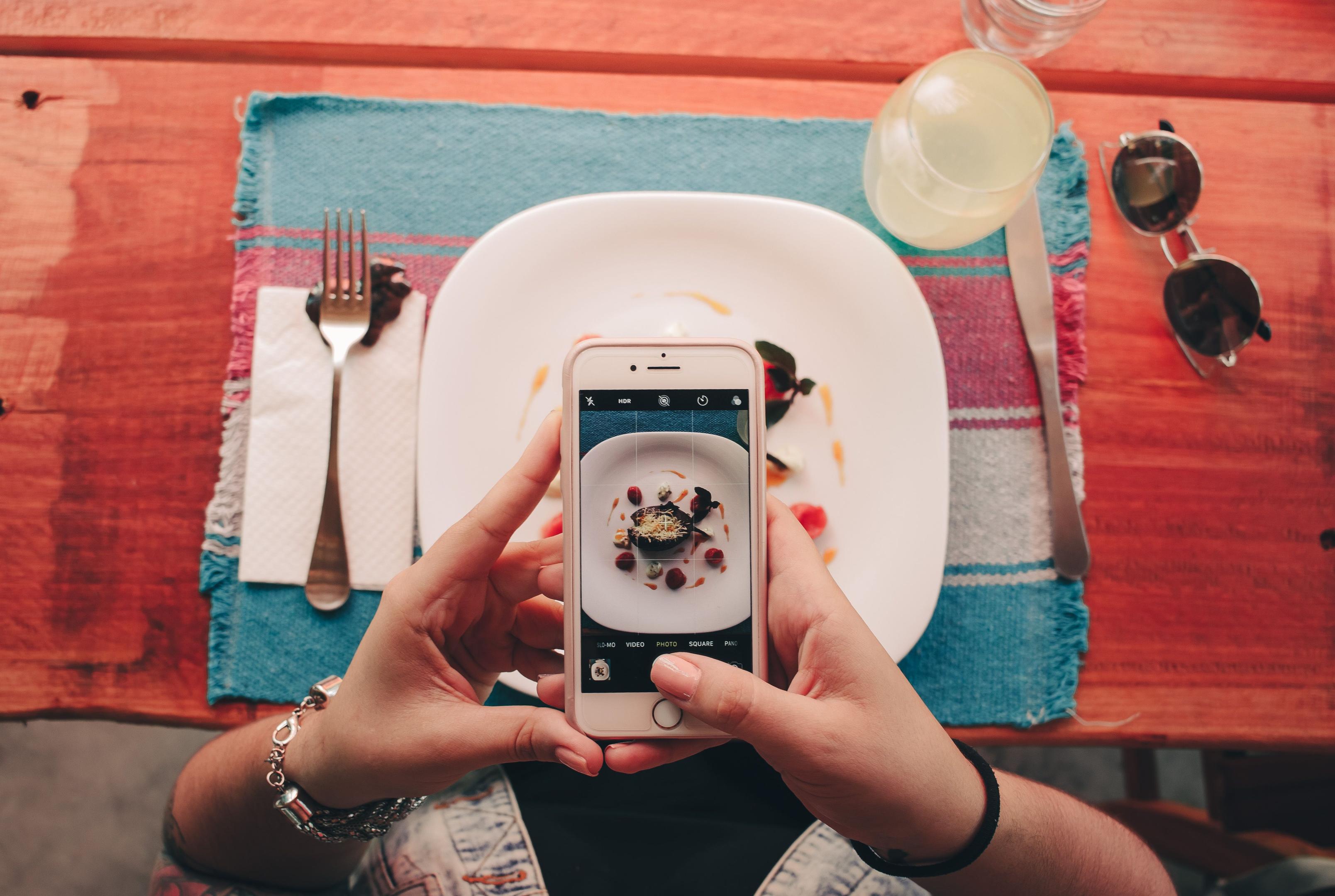
Restaurants can foster user-generated content by creating Instagrammable food and spaces, which encourages customers to take photos and share their experiences online. Consider designing at least one eye-catching presentation or interior element specifically for social sharing.
Paid Advertising Channels
While organic advertising builds long-term momentum, paid ad campaigns deliver immediate results when you need to fill seats quickly. Paid advertising can be tailored to attract both group bookings and individual customers, including those placing personal orders or professionals responsible for workplace meals.
Setting Up Google Ads
Google Ads allow restaurants to appear at the top of search results for specific terms, providing immediate visibility and targeting capabilities based on location and demographics. When a potential customer searches "Italian restaurant downtown" or "best pizza near me," your restaurant can appear at the exact moment they are making a decision.
Key metrics to understand:
- Cost-per-click typically ranges from $1.30 to $2.70
- Conversion rates average 5-8%
- A well-executed Google Performance Max campaign can generate visits at $2.55 per visit
This means every dollar spent can be tracked directly to transactions rather than just impressions. For many restaurants, especially those in competitive markets, Google Ads provide measurable ROI that traditional advertising cannot match.
Social Media Ads
Paid advertising on social media platforms like Facebook and Instagram allows restaurants to target specific demographics, making it easier to reach potential customers effectively. Social media advertising, particularly on platforms like Facebook and Instagram, allows restaurants to target specific demographics and is often accessible for various advertising budgets.
You can target by:
- Geographic radius around your location
- Age, interests, and dining preferences
- Behaviors like "frequently dines out" or "food delivery users"
- Lookalike audiences based on your existing customers
Location-specific targeting using geo-targeted ads can effectively reach diners within a specific radius of your restaurant. For a small restaurant with limited budget, starting with a 5-mile radius around your location often provides the best return.
Mobile optimization is crucial for landing pages linked in restaurant ads to ensure fast loading and easy navigation. Most potential guests will click your ad from their phone, so test your entire booking or ordering flow on mobile before launching campaigns.
Email Marketing and Direct Communication
Email marketing is a highly effective tool for restaurants, with an average revenue of $96 generated for each click on a marketing email. That number alone should convince any restaurant owner to prioritize building their email list.
The Power of Direct Access
Building an email list allows restaurants to directly communicate with guests, providing updates on new menu items, events, and promotions without relying on social media algorithms. Unlike social media platforms where organic reach continues to decline, email gives you direct access to your customers.
Restaurants that utilize email marketing can see a 247% increase in repeat diners, making it a crucial strategy for customer retention. Your email strategy should include:
- Welcome sequences for new subscribers
- Regular newsletters highlighting weekly specials
- Birthday and anniversary offers
- Reactivation campaigns for lapsed customers
- Exclusive previews of seasonal menus
Email marketing is a cost-effective way for restaurants to maintain direct communication with customers, promoting new menu items and special offers to drive repeat visits. A customer who has not visited in three months might just need a compelling offer to return.
Time-Sensitive Promotions
Time-sensitive offers, such as seasonal specials, can create urgency in marketing strategies. Highlighting special offers and events can create urgency in restaurant promotions that motivate immediate action.
Promotions and discounts attract new customers and encourage trial, but they work best when they are intentional rather than reflexive. Use them to drive covers during historically slow periods or introduce guests to high-margin items. For example, a free appetizer on Tuesdays makes more sense than blanket discounts that erode margins.
Leveraging User-Generated Content and Food Bloggers
Word of mouth advertising is the most trusted, highest-conversion form of restaurant advertising, as 89% of diners trust recommendations from friends and family more than any paid advertising format. Your goal should be systematically generating this type of organic promotion.
User-Generated Content Strategy
User-generated content (UGC) is among the most persuasive forms of restaurant advertising because it comes from real people, making it more trusted than traditional advertising methods. Social proof, including customer reviews and testimonials, builds trust with potential diners.
Encouraging user-generated content can significantly enhance a restaurant's visibility and engagement. Every time a customer shares their dining experience on social media, they promote the restaurant to their network.
Tactics to generate more UGC:
- Launch monthly photo contests for restaurant ads shared on social media
- Feature the best customer photos on your channels
- Create a branded hashtag and display it prominently
- Offer small rewards for reviews and social mentions
Working with Food Bloggers and Influencers
Approximately 70% of diners report visiting a restaurant because they saw influencers visit the same establishment. However, micro-influencers with smaller, highly engaged local followings often drive more actual visits than celebrity endorsements.
Build a roster of local food bloggers and content creators. Invite them for complimentary experiences in exchange for authentic content. Hosting quarterly tasting events generates simultaneous multi-creator buzz, multiplying your advertising reach without proportional cost increases.
AI Tools for Customer Data Capture and Marketing
The world of restaurant advertising has been transformed by AI tools that capture customer data and automate marketing messages. For restaurant owners looking to compete with larger chains, these tools level the playing field. AI-driven insights can also help restaurants enhance the quality and personalization of their service, which contributes to customer satisfaction and loyalty.
How VoiceBit Transforms Customer Intelligence
Traditional phone orders represent a massive data blindspot for most restaurants. Customers call, place orders, and restaurants capture minimal information beyond what is needed for delivery.
AI tools like VoiceBit help capture customer data, including full transcripts of every phone order, and make SMS messaging easier for marketing and promotional campaigns. This changes everything about how restaurants can approach advertising.
With complete phone order transcripts, you gain insight into:
- What customers order and when they order it
- Special requests and dietary preferences
- Ordering frequency and average order values
- Trends in customer behavior over time
This intelligence allows for highly personalized advertising campaigns. Instead of sending generic promotions, you can target customers based on their actual purchase history. Someone who orders your signature dish every Friday might respond to an exclusive preview of your new menu. A customer who always adds a specific appetizer might appreciate a loyalty reward for that item.
SMS Marketing Integration
VoiceBit makes SMS marketing and promotional campaigns dramatically easier. SMS messages have exceptionally high open rates compared to email, and when combined with order history data, they become a powerful advertising channel.
Imagine sending a personalized message to customers who have not ordered in 30 days, referencing their favorite menu items. Or alerting your most loyal customers about limited-time specials before announcing them publicly. This level of personalization was previously only available to large chains with expensive custom systems.
For restaurant owners ready to capture every customer interaction and turn that data into more business, VoiceBit offers AI-powered solutions designed specifically for restaurant operations.
Loyalty Programs and Customer Retention
Loyalty programs represent a critical advertising investment because retaining existing customers often proves more cost-effective than acquiring new guests.
Effective loyalty structures include:
- Points-based systems rewarding frequency
- Tiered programs offering escalating benefits
- Birthday and anniversary rewards
- Exclusive access to special events or menu previews
- Referral bonuses that leverage existing customer networks
The best programs integrate with your data capture systems. When you know customer ordering patterns, you can trigger personalized rewards at the right moments. A customer approaching their 10th visit might receive a surprise upgrade. Someone trying online orders for the first time might get a discount on their second order.
Creating Compelling Restaurant Ad Content
High-quality visuals of food are essential in restaurant advertisements to attract customers. But the best restaurant ads go beyond pretty pictures.
Storytelling and Emotional Connection
Memorable restaurant ads often combine humor, nostalgia, or irresistible food shots to grab attention and connect on a personal level. This drives customers to dine in or order out. Ads that tap into universal emotions or highlight community values can resonate deeply with audiences, making them more effective in driving customer engagement.
Using humor and a conversational approach in restaurant ads can create buzz and foster a connection with customers, making the brand feel more relatable. Think about how Pizza Hut and other major chains use personality in their advertising rather than just showcasing food.
Differentiation and USP
A clear Unique Selling Proposition (USP) distinguishes a restaurant from its competitors. What makes your restaurant different? Is it your fresh ingredients sourced from local farms? Your family recipes passed down through generations? Your innovative cooking techniques?
Highlighting the story behind a restaurant or its founder can build trust and connection with customers, making the brand more appealing beyond just the food. This is especially powerful for small businesses competing against chains.
Seasonal and Local Relevance
Creative restaurant ads can leverage seasonal moments or local events to stay relevant and provide customers with timely reasons to visit, enhancing engagement. Community events and local partnerships provide natural advertising opportunities that feel authentic rather than promotional.
A compelling Call-to-Action (CTA) encourages customers to take specific actions, like booking a table or ordering food. Every piece of content should have a clear next step for the viewer.
Measuring Success and ROI
Using platforms like Google My Business and Instagram Reels can effectively target restaurant advertising, but tracking results matters more than activity.
Key metrics to monitor:
| Metric | What It Tells You |
|---|---|
| Cost per acquisition | How much you spend to get each new customer |
| Customer lifetime value | Total revenue from an average customer |
| Return on ad spend | Revenue generated per dollar spent |
| Email open and click rates | Engagement with direct marketing |
| Repeat visit rate | Effectiveness of retention efforts |
The restaurant industry has shifted toward accountability where every advertising dollar can be traced to actual business results.
Key Takeaways
- Start with your digital foundation: optimize your Google Business Profile and build your social media presence.
- Combine paid ads with organic advertising for both immediate results and long-term brand building.
- Capture customer data at every touchpoint, especially phone orders.
- Use email and SMS marketing for direct communication that bypasses algorithm changes.
- Create authentic content that showcases your team, your story, and your community connection.
- Measure everything and optimize based on actual results.
Start Capturing Customer Data Today
The restaurants winning in 2026 are those that understand every customer interaction is an opportunity for data capture and relationship building. Whether you are running a small restaurant or managing multiple locations, the fundamentals remain the same: reach potential customers where they are, deliver value, and use technology to personalize every touchpoint.
Ready to transform how you capture customer data from phone orders? Visit VoiceBit.ai to see how AI-powered phone ordering can give you complete transcripts of every customer call, making your marketing and promotional campaigns more personalized and effective than ever before.
Why VoiceBit
VoiceBit was built for restaurants that want to capture every order, answer every call, and keep customers coming back, without adding more work for staff. Our AI Voice Employee answers 24/7 in English and Spanish, takes orders, captures customer details, and routes complex calls to your team with full context.
Hear what real calls sound like below, then book a free demo or learn more about our phone AI.
Interested in VoiceBit?
Book a free demo or learn more about our AI Voice Employee.
Related Articles
Restaurant Social Media Ads: How to Turn Scrolls Into Sales (and Own Your Data with VoiceBit)
Marketing Strategy of Restaurants: The Data-Driven Playbook for 2026