Restaurant Social Media Ads: How to Turn Scrolls Into Sales (and Own Your Data with VoiceBit)
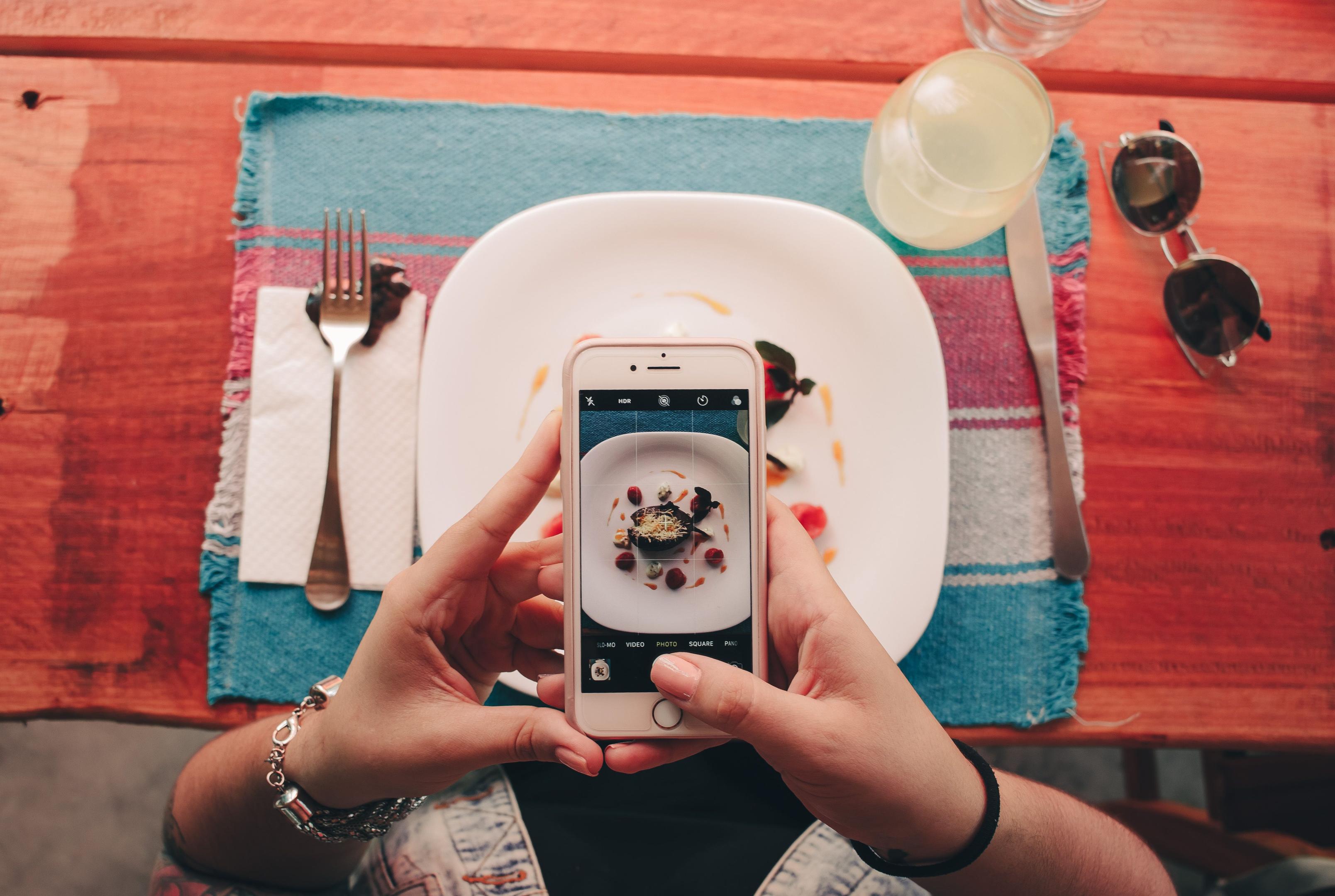
If you think social media is optional for your restaurant, the numbers say otherwise. A recent survey discovered that 77% of diners tried a restaurant based on social media content, and 84% of diners want to see food photos on social media before they decide where to eat. With roughly 4.7 billion people use social media worldwide (and climbing toward 5.79 billion user identities by mid-2026), your next guest is almost certainly scrolling right now.
Why restaurant social media marketing matters in 2026
Strong restaurant social media marketing does more than build awareness. It directly increases restaurant sales through more reservations, walk-ins, and direct online orders via phone, web, and SMS. In 2026, 64% of U.S. guests said they tried a new restaurant in the past month, up from 39% in 2024. That means the pool of people open to discovering your spot is growing fast, and social media is where they're looking.
For restaurant owners, the opportunity is clear. But there's a catch: if your ads send people to third-party delivery apps charging 15–30% commissions, you're paying for customers you'll never truly know. That's where VoiceBit comes in. VoiceBit is an AI voice ordering platform that connects phone, web, and SMS orders and lets owners own 100% of their customer data, including what was ordered, when, and from which channel.
Key benefits of investing in social media ads for your restaurant:
Visibility: Reach the enormous share of the world's population already scrolling food content daily.
Customer loyalty: Build direct relationships instead of renting them from third-party platforms.
Data ownership: Know exactly what your guests order, when they order, and how they found you.
Lower marketing waste: Stop guessing which promotions work and start measuring actual revenue per ad.
Social media is your new front door – but ads are the doorman
Platforms like Instagram, Facebook, and TikTok have become the first impression for restaurant diners, often before they ever see your website or physical storefront. When customers search for a place to eat, they're checking social platforms before they check anything else. In fact, 99% of independent full-service restaurants now have at least one social media platform profile, and TikTok usage among those restaurants nearly doubled from 26% to 48% in a single year.
Think of it this way: organic posts are your curb appeal, while paid restaurant social media ads are the doorman actively inviting qualified locals to visit or order.
Organic content (photos, Reels, Stories) shapes perception and builds trust over time.
Paid ads push specific actions: driving traffic, phone orders, reservations, and direct web orders.
Consider a Chicago taco shop using Instagram Stories ads to push late-night tacos to users within two miles between 9 and 11 PM. Or a neighborhood bistro retargeting past website visitors with a "date night" ad featuring their prix fixe menu. These are targeted, measurable, and far more effective than hoping the algorithm picks up your latest post.
Optimizing restaurant social profiles before you run a single ad
Before spending a dollar on ads, your social media presence needs to be ad-ready. Otherwise, you're sending traffic to weak pages that don't convert. Remember, 21% of diners avoid restaurants due to low-quality social media posts. Your restaurant's instagram profile and Facebook page are snap-judgment zones for hungry scrollers.
Here's a quick checklist for digital curb appeal:
Clear bio stating what you are and what makes you unique (e.g., "Family-run Korean BBQ in Austin since 2013").
Up-to-date hours, including seasonal and holiday schedules.
Click-to-call button and direct link to your ordering page.
Direct ordering links for phone, web, and SMS (not a third-party app).
High-quality food photos and a visible menu.
Reservation or waitlist link.
Map address so guests can find you instantly.
Every ad you run should send people to profiles or landing pages where the path to order, book, or call is obvious in under five seconds.
Brand consistency and essential information across platforms
Consistent branding across social media channels, including your logo, colors, and tone of voice, builds recognition and trust. When a diner sees your paid ad, then visits your profile, then walks through your door, the experience should feel seamless. This is how restaurant brands build lasting recall and separate themselves from other businesses competing for the same audience.
Must-have details on every profile:
Address and map link
Hours (with 2026 holiday updates)
Phone number
Reservation or waitlist link
Direct ordering link powered by your restaurant (not a marketplace)
Consistent visual branding and value promise
For VoiceBit customers, the same phone number in your bio can route to AI voice ordering 24/7, preventing missed calls from social campaigns, even on a packed saturday night.
Creating restaurant social media content that actually sells
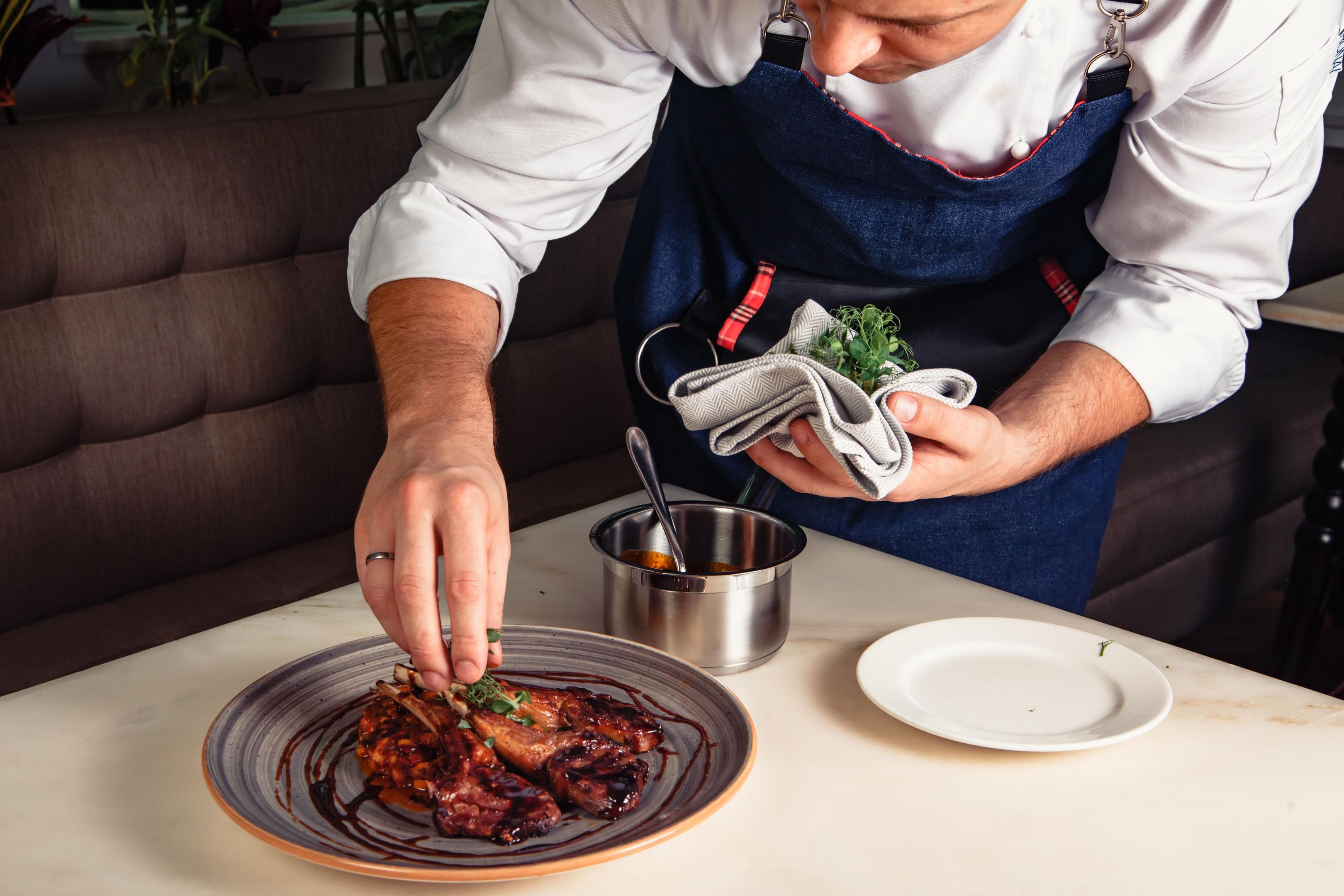
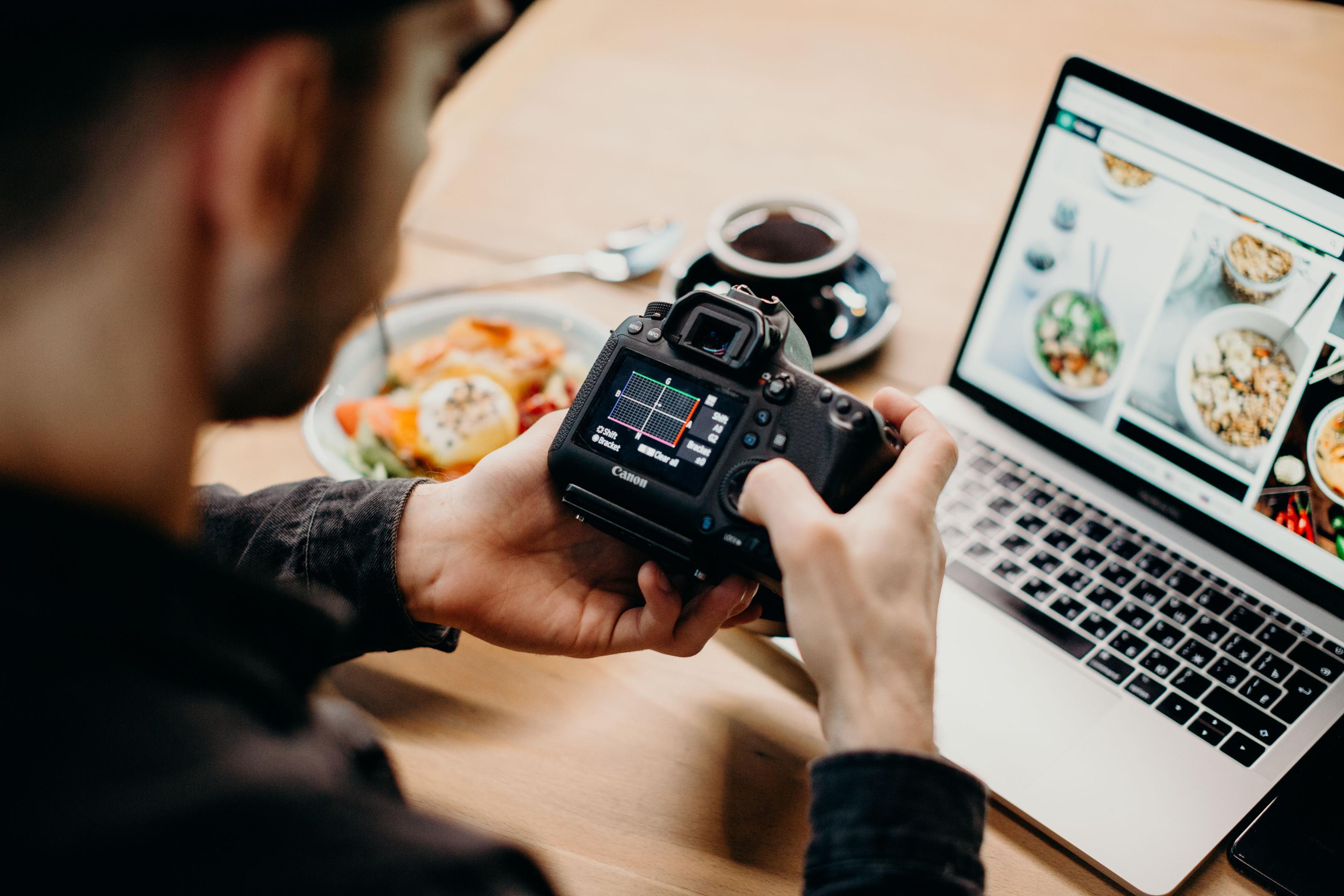
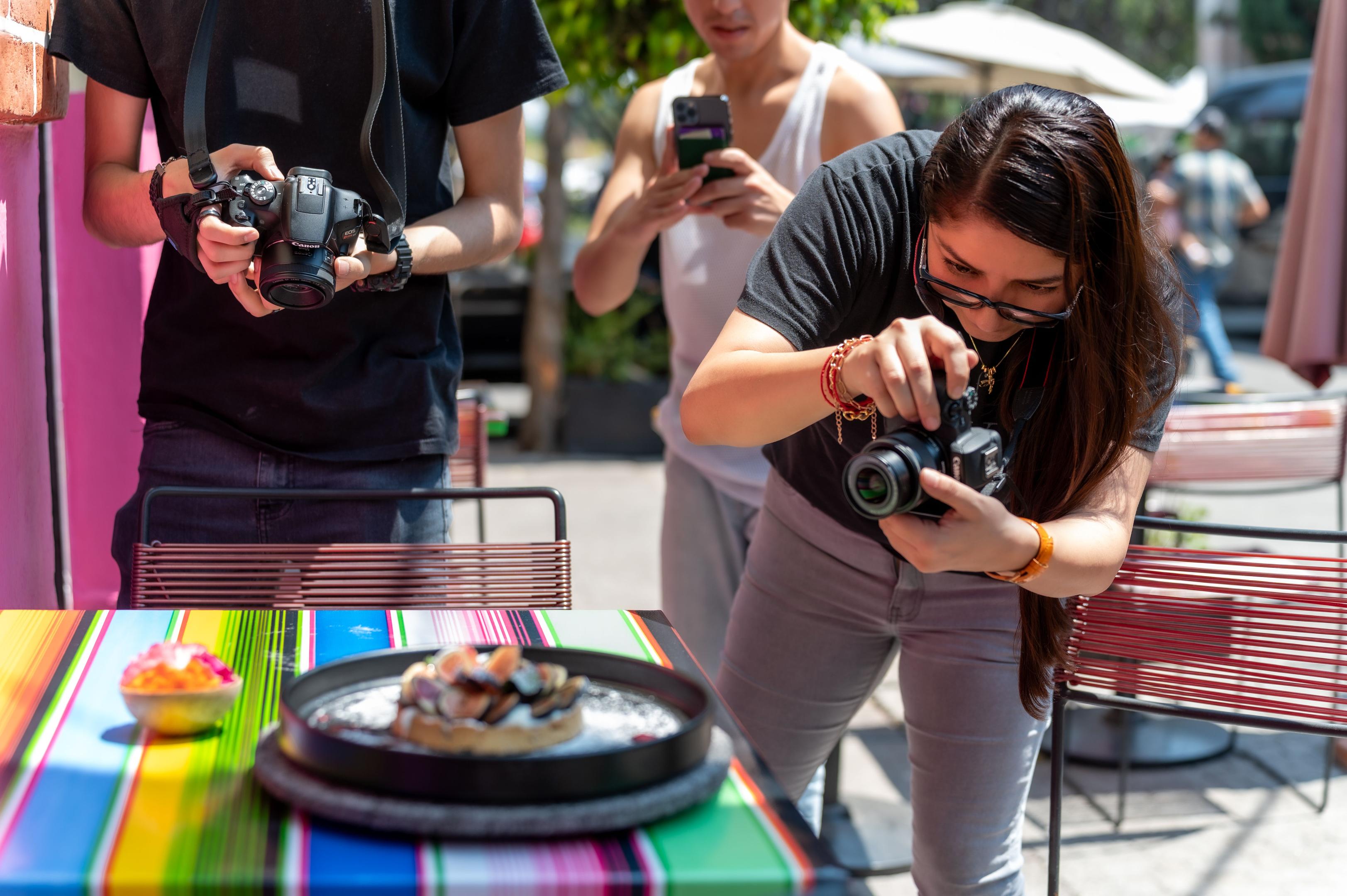
This is the heart of the restaurant industry's social media opportunity. The goal isn't just likes. It's butts in seats and direct orders. High-quality visuals are critical for engagement on social media, and professional food photography pays dividends for restaurant marketing. But restaurant diners love content that feels real, not staged.
Social media helps communicate your restaurant's atmosphere and story. The best social media content mixes short-form video, behind the scenes footage, high-quality food photos, and social proof like positive reviews and guest reposts. The rule of thumb: document, don't overproduce. Use smartphone videos from real services, line rushes, and plating instead of overproduced ads.
Short-form video, Reels, and TikToks that stop the scroll
Short-form videos are highly effective in showcasing food and dining experiences, and they dominate 2026 algorithms. A restaurant post that's just a photo can work, but video content consistently outperforms static images in reach and engagement.
Video ad ideas that stop the scroll:
A 10-second sizzling fajita shot with steam and sound.
A "Friday lunch rush in 15 seconds" timelapse.
A bartender shaking a house cocktail, ice cracking against the glass.
A server carrying a stacked tray of burgers through a crowded dining room.
A chef demonstrating how to properly chop onions during prep.
Every video should have a clear call-to-action overlay like "Tap to order pickup now" or "Reserve your table for Friday" and be shot vertically at high resolution. VoiceBit restaurants can use video ads to drive clicks or calls to their direct ordering system, then track which videos created the most orders by time and menu items.
Behind the scenes and human stories that feel authentic
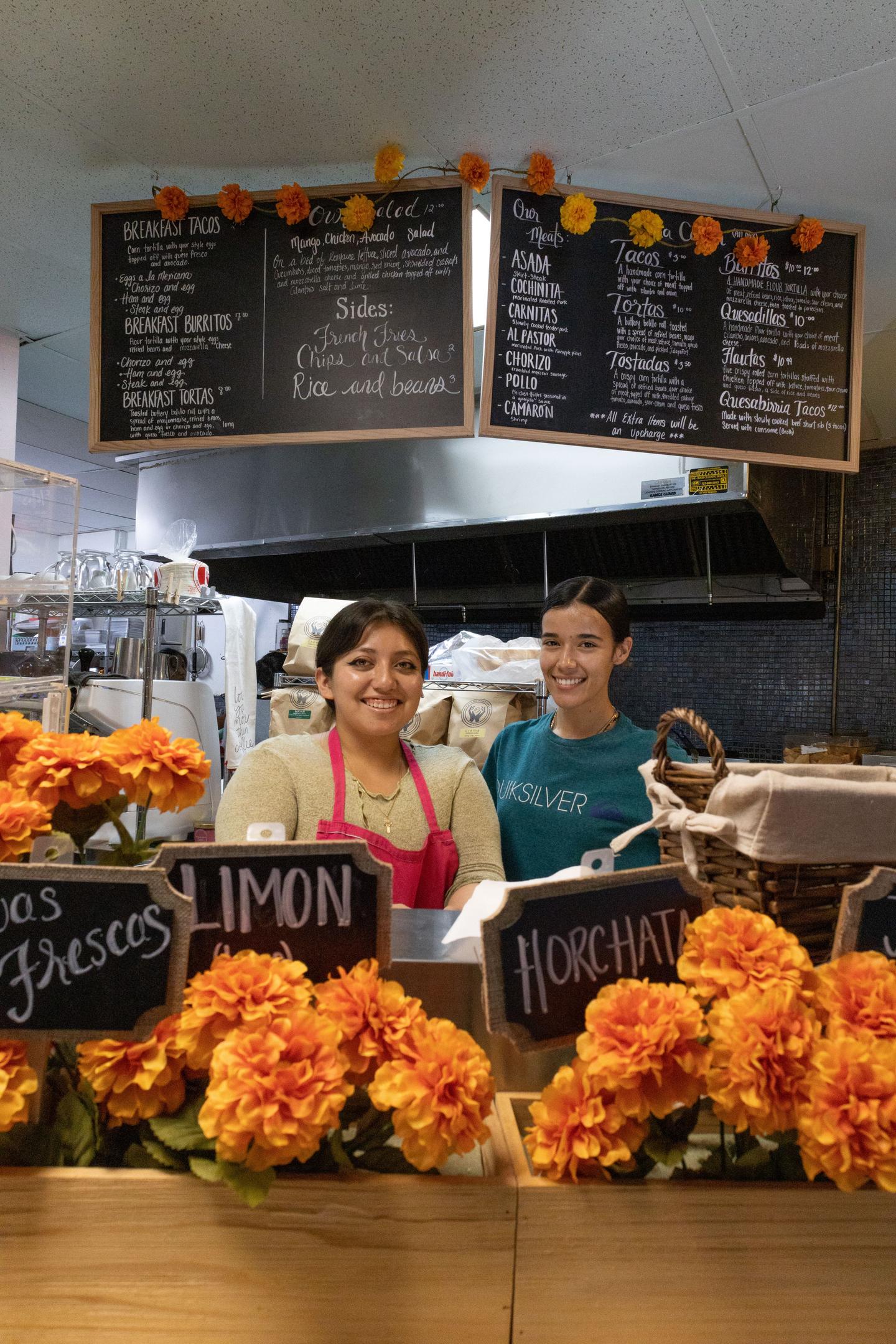
Behind the scenes content can humanize a restaurant's brand and build connections with potential guests. Content shot behind closed doors, like prep line action, chef tastings, staff pre-shift huddles, or playlist debates, makes ads feel like invitations into your world rather than sales pitches.
Concrete ideas:
An Instagram Stories ad following a line cook plating your best-selling ramen, offering personal insight into the craft.
A day-in-the-life montage of a Saturday brunch shift. Create day-in-the-life videos of restaurant staff to show the energy and culture.
A clip of the owner sharing your restaurant's origin story and why they chose the neighborhood.
Highlight one team member weekly on social media. Showcase a specific team member and their favorite dish to promote menu items.
Post employee testimonials to attract new staff and show your culture.
Vendors highlighting the local produce they deliver to your kitchen each morning.
These ads should look and feel like organic Stories: natural lighting, phone camera, captions. This kind of authentic content consistently outperforms polished commercials. Sharing your restaurant's origin story can engage your audience on a deeper level than any discount ever will.
Showcasing menu items and promotions without discounting your brand
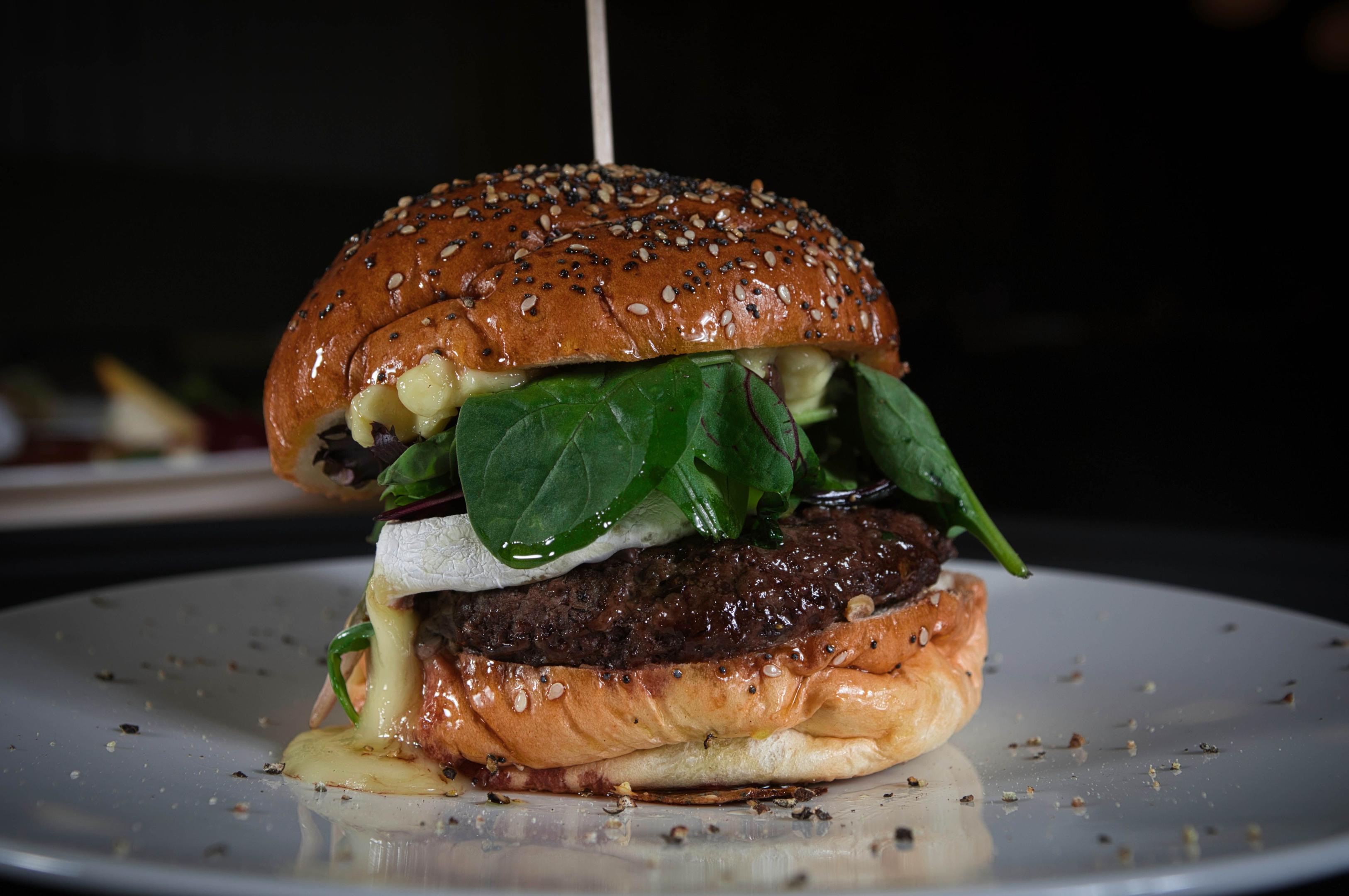
High-quality food photography increases customer engagement significantly, but there's a balance between showing irresistible signature dishes and training guests to wait for constant discounts.
Instead of blanket discounts, try:
Limited-time chef's specials that create urgency.
Seasonal menu launches (e.g., a 2026 summer heirloom tomato salad).
Secret-menu items revealed only in social media ads.
Sharing photos of textures, sauces, and steam in tight close-ups with natural light and simple backgrounds.
Showcase staff favorite dishes to promote specific menu items naturally.
Connect this to data: VoiceBit lets you track which advertised menu items actually get ordered via phone and web. If your "Spicy Garlic Wings Ad" drove orders but your "Lobster Roll Ad" didn't, you know exactly where to reallocate budget. Post content that highlights what sells, not what you assume sells.
Turning followers and viewers into paying customers
The goal of your restaurant's social media posts is not vanity metrics. It's reservations, covers, and direct orders. Clear calls-to-action enhance the effectiveness of restaurant ads and turn passive scrolling into real revenue.
Specific conversion paths to build into every ad:
Click-to-call from Instagram for phone orders.
"Order Now" buttons leading to a direct ordering page.
"Book Now" leading to a simple reservation form.
A short message in Stories with a swipe-up link.
With VoiceBit, phone calls from social profiles and ads can be answered automatically 24/7, turning ad-driven curiosity into confirmed orders even when staff are slammed. Frictionless ordering matters: 61% of customers abandon delivery orders because service fees feel too high. Fewer taps from ad to checkout means more completed orders.
Using Instagram Stories and Instagram Live to drive immediate action
Instagram stories and instagram live are ideal for timely promotions. Think "Tonight only," "Game day specials," or "We just dropped 20 extra croissants." These formats create urgency that static posts can't match.
Use a countdown sticker for a weekend brunch or an instagram live event showcasing a wine pairing night.
Use the same poll feature to let followers vote: red or white wine with the new pasta? Instagram polls can effectively engage followers and gather feedback for your next menu move. The poll feature drives more engagement than passive content.
Swipe-up or "link in story" to order directly. Encourage guests to act now, not later.
During instagram live, pin a comment reminding viewers tune in that they can order for pickup or delivery while watching. Create live footage of your chef tasting a new dish in real time. Live video builds trust that polished ads simply can't replicate.
When Stories or Live viewers click "Call," VoiceBit can capture and complete those orders automatically, improving ROI on time-limited campaigns.
Encouraging guests to share, tag, and review
User generated content is any content made by your guests, and it's one of the most powerful tools in restaurant marketing. User-generated content can increase conversion rates by over 10x. Encouraging guests to share experiences provides restaurant free publicity that money can't buy.
Ways to encourage customers to create content:
Table tents with your hashtag and a note: "Tag us for a chance to win a free appetizer."
Social-exclusive photo walls that guests naturally want to post.
Receipts that say "Share your meal on Instagram and tag us."
Repurpose this user generated content into social media ads (with permission) for powerful social proof. This strategy also helps in gaining followers organically. Utilizing user-generated content can enhance credibility and attract new customers, and it boosts restaurant visibility on social media dramatically. Social media engagement can increase by 3.5x with proper management of these interactions.
Respond to both positive and negative comments publicly. Address positive comments with genuine thanks. When you handle negative comments gracefully, responding to negative comments can build more trust than positive reviews alone. Positive reviews shared as ads serve as proof. Online comments, whether praise or complaints, are opportunities to show you're listening and to build customer loyalty. Encourage guests to leave positive comments after great experiences.
Choosing your restaurant social media ad objectives and audiences
The most relevant ad objectives for restaurant marketing on Facebook and Instagram are Traffic, Calls, Store Visits, and Conversions for online orders. Social media allows restaurants to target audiences based on location, interests, and behaviors.
Restaurants should focus on geo-targeting to reach potential customers within a specific radius. Engaging local audiences through targeted ads boosts visibility for restaurants:
Urban concepts: 3–5 mile radius targeting local customers.
Destination or rural restaurants: up to 15–20 miles or drive-time radius.
Your target audience and target market should be defined by geography, dining habits, and interests.
Audience ideas:
Custom audience of past direct-order customers (past 90 days).
Lookalike audiences built from first-party data.
Sports fans within 5 miles for game-day wings, reaching potential customers most likely to convert.
Partner with local food bloggers for collaborative content that extends your reach.
VoiceBit's first-party data is a superior retargeting source compared to third-party app data, because you own every order record.
Using data (not guesses) to improve your restaurant social media ads
The shift in 2026 is from "post and pray" to data-driven decisions that tie ad spend directly to restaurant sales and profit. Measuring metrics like reservations and online orders helps optimize social media campaigns.
Practical metrics to track:
Cost per order and cost per reservation.
Average check size from ad-driven guests.
Which menu items get the most clicks and orders.
Repeat rate of ad-acquired customers.
Here's a real-world example: a pizza restaurant runs two ads, one for a family combo and one for a wings special. VoiceBit order data reveals the family combo drove 2x higher ticket size. The owner reallocates budget accordingly, and the next month's ad spend is twice as efficient.
Tracking what matters: from impressions to actual revenue
Vanity metrics like likes and impressions feel good but don't pay rent. Outcome metrics, including orders, reservations, and lifetime value, are what matter.
A simple monthly review ritual:
Check which ad creatives led to the most direct orders.
Identify which time windows converted best (Friday 6–8 PM vs. Monday lunch).
Determine which audience segments produced the highest spend per guest.
Adjust food prep and staffing for items heavily promoted in ads.
Because VoiceBit ties every phone and web order back to a customer profile, owners can see exactly which campaigns brought in repeat guests vs. one-time discount hunters. Guest communication alongside order tracking makes every decision smarter.
Own your customer data to supercharge your marketing (VoiceBit's advantage)
Here's the ownership problem: third-party delivery apps keep customer data for themselves. You can't see who ordered, how often, or respond with better marketing. Your guests become their guests.
VoiceBit gives restaurants direct access to first-party data: names, phone numbers, order history, order timing, and preferred menu items from phone, web, and SMS orders. This sounds promising, and it is. Guest communication becomes proactive instead of reactive.
Use cases that show the power of owned data:
Retarget Friday-night wing buyers with a playoff-season ad.
Send Instagram ads for a new vegan entrée to guests who ordered plant-based items three times.
Promote a birthday club to guests whose birthdays are known from prior orders.
From social media click to long-term customer loyalty
The lifecycle is simple: someone sees a social ad, clicks to call or order, VoiceBit captures the order and guest data, and the restaurant later uses that data to run smarter loyalty campaigns. Guests remain loyal when they feel recognized, not when they're bombarded with generic offers.
Imagine an independent restaurant group that starts using this approach. Over six months, they identify their top 200 repeat guests, measure the lifetime value of customers acquired through specific social campaigns, and launch a loyalty program promoted via social ads. The result: higher retention, better margins, and marketing that actually pays for itself. Engagement can be increased through polls, questions, and customer interactions that make guests feel like insiders. Stay engaged with your best customers and they'll stay engaged with you.
Practical campaign ideas you can run this month
Need more ideas? Here are ready-to-run social media ad concepts for August 2026:
Back-to-school family dinners: Instagram carousel ad showing a family meal special, targeting households with kids within your radius. CTA: "Order direct via phone or SMS."
Game-day specials: Stories ads promoting wings and beer specials for NFL preseason, targeting fans within 5 miles who follow local teams. Reference all the popular tv matchups happening that week to tie into pop culture.
New seasonal menu launch: Reel showcasing your summer heirloom tomato salad, targeted to past 90-day customers. Track orders via VoiceBit.
Behind-the-scenes brunch prep: Sunday morning Reel targeting locals within 3 miles, showing your kitchen coming alive at 6 AM.
Instagram Live tasting event: Go live during a chef's tasting of upcoming events on your fall menu. Pin a comment with your phone number for orders.
User-generated content contest: "Tag us in your story using #YourRestaurantName for a free appetizer next visit." Repurpose the best posts into ads. Facebook events help people plan their nights and weekends, so create a special events page for your next big night.
"Order via phone in 30 seconds" Story ad: Demonstrate VoiceBit-powered ordering in a quick screen recording. Viewers tune in to see how easy it is.
Each idea should include a clear CTA and a way to measure direct impact using both social platform analytics and order data from VoiceBit.
Final thoughts: building a sustainable restaurant social media strategy
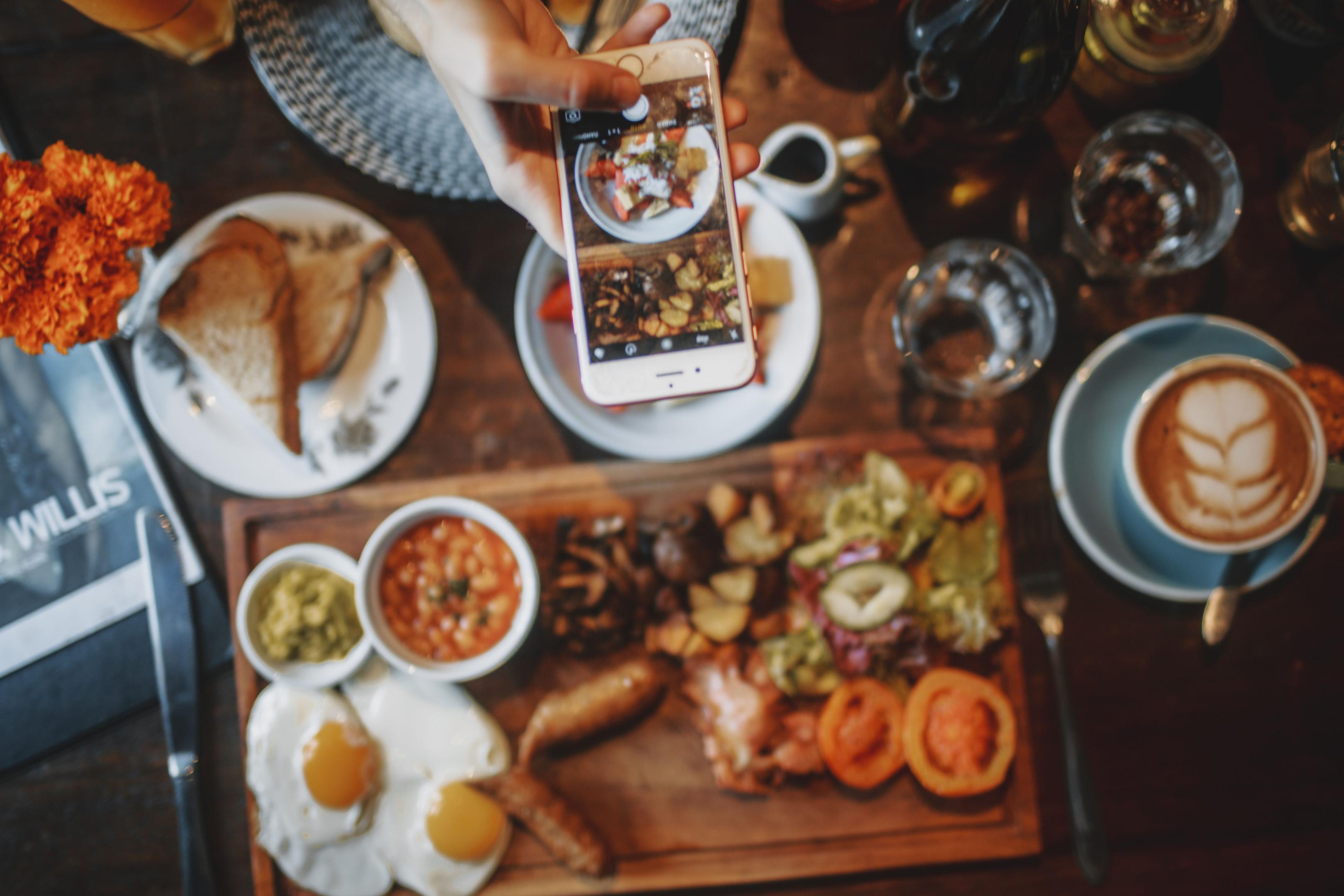
Social media is now critical infrastructure for restaurant marketing. Ads backed by owned data can reliably grow restaurant sales instead of gambling on trends. The restaurants winning in 2026 aren't necessarily the ones with the biggest budgets. They're the ones with the best data and the most consistent social media strategy.
Consistency matters more than perfection. Post regularly, respond to online comments (both positive and negative), and update your creative every four to six weeks to keep ads from going stale. 77% of diners tried a restaurant based on its social media content, so every piece of social media content you publish is a potential first impression.
By owning customer data and automating phone and digital ordering through VoiceBit, restaurants can make smarter marketing decisions, protect margins from third-party fees, and turn every social ad into a measurable growth lever. The scrollers are out there. Make sure when they stop on your ad, the path from screen to plate is as short as possible.