SEO for Restaurants: How to Turn Local Searches into Reservations, Orders, and Revenue
Introduction: Why Restaurant SEO Matters in 2026 and Beyond
Most guests today find their next meal through Google, Google Maps, or AI assistants on their phones and in their cars. For restaurants, SEO means optimizing that online presence—especially local signals like Google Business Profile, citations, website content, and reviews—so the business appears prominently in nearby searches, maps, and voice results that turn into reservations, calls, and orders. Word of mouth still matters, but the first impression now happens on a screen. When someone searches "best tacos near me" or "pizza delivery open tonight in Chicago," the restaurants that show up first are the ones filling tables, taking orders, and using those nearby searches to attract customers.
Below, you'll find practical local SEO tips for restaurants trying to win more nearby searches.
Restaurant SEO is not a marketing buzzword. It is a revenue tool for independent restaurants and small-to-mid-sized restaurant groups that want stronger local visibility, more direct orders, and less dependence on third-party delivery apps. As AI search grows, restaurants need clear, structured online information so voice assistants and AI tools recommend them before the competition. VoiceBit, a restaurant-focused AI ordering and website platform, helps convert that search visibility into direct revenue through phone, web, and SMS orders. This guide walks through the core areas that drive that outcome: Google Business Profile optimization, consistent local citations, keyword strategy, SEO-friendly websites, local content creation, review management, link building, technical SEO basics, multi-location SEO, performance tracking, and how AI ordering tools fit into a direct-ordering strategy.
Why SEO is a revenue tool for restaurants:
Restaurants in Google's Local 3-Pack capture an estimated 44 to 47% of all local clicks
50% of smartphone users visit a business within a day of a local search
Google Business Profiles generate roughly 7 times more views than a restaurant's own website
Strong SEO reduces reliance on third-party delivery apps and their commission fees
What SEO Actually Means for Restaurants
Search engine optimization for restaurants means helping search engines and AI assistants understand who you are, where you are, and what you serve. Traditional SEO focuses on ranking web pages in search engine results pages. Local SEO is more specific: ranking in Google Maps, the Local Pack, and "near me" queries.
SEO: Improving your online visibility so your business appears when people search relevant keywords
Local SEO: Ranking for searches with local intent, like "brunch near Union Square" or "late night wings in Austin"
Local searches: Queries that combine a need with a location, such as "Italian restaurant in Brooklyn with patio"
Local citations: Mentions of your restaurant's name, address and phone number on online directories and other websites
Restaurants with strong SEO are more likely to be recommended by AI tools on phones, cars, and voice assistants that pull structured data to answer questions.
Why Restaurant SEO Is a Revenue Engine (Not Just a Marketing Project)
Higher local search rankings for local intent keywords translate directly into more calls, more online orders, and more table bookings. A query like "Thai food near me" typically leads to a visit or order within the same day. 50% of smartphone users visit businesses within a day of local searches.
Good SEO grows direct orders on your own channels, reducing dependency on third-party delivery apps
SEO connects to every revenue stream: dine-in, catering, pickup, delivery, special events, and private dining
Unlike paid advertising, SEO benefits compound over time and do not stop working the moment you pause spending
Each additional star on Google Reviews correlates to 5 to 9% more revenue per table
Restaurants that invest in a local seo strategy attract more customers month after month without increasing ad spend
Local SEO for Restaurants: Showing Up Where Diners Are Searching
Local SEO focuses on geography plus intent. Restaurants should prioritize local search optimization for visibility because that is where diners are actively searching. Google uses three signals to decide which places rank in Maps and the local 3-pack: proximity, relevance, and prominence. Local optimization helps ensure your restaurant appears in Google Maps and other local search results when nearby diners search. Local SEO helps restaurants appear in searches like "catering near me" or "family friendly restaurant Denver."
Key building blocks of local SEO for restaurants:
Google business profile optimization
Local citations and directory listings across online directories
Online reviews and review management
Local content tied to your neighborhood and community
Link building from other local businesses and community organizations
Technical elements like structured data and mobile speed
For multi-location restaurant groups, each location must be treated as its own local business with its own local seo efforts.
Optimize Your Google Business Profile for Maximum Visibility
Your google business profile is the single most important local SEO asset for any restaurant. Claiming your Google Business Profile is free and essential for visibility. A fully optimized Google Business Profile improves the business's visibility in local search results and Maps, while incompleteness in your Google Business Profile harms search rankings.
Complete every field: business name, primary category, address, phone, website, business hours, photos, menu links, and booking links
Use restaurant-specific primary categories and add secondary ones for delivery, catering, or bar if relevant
Google Business Profile includes location, hours, and photos, so keep all of these current
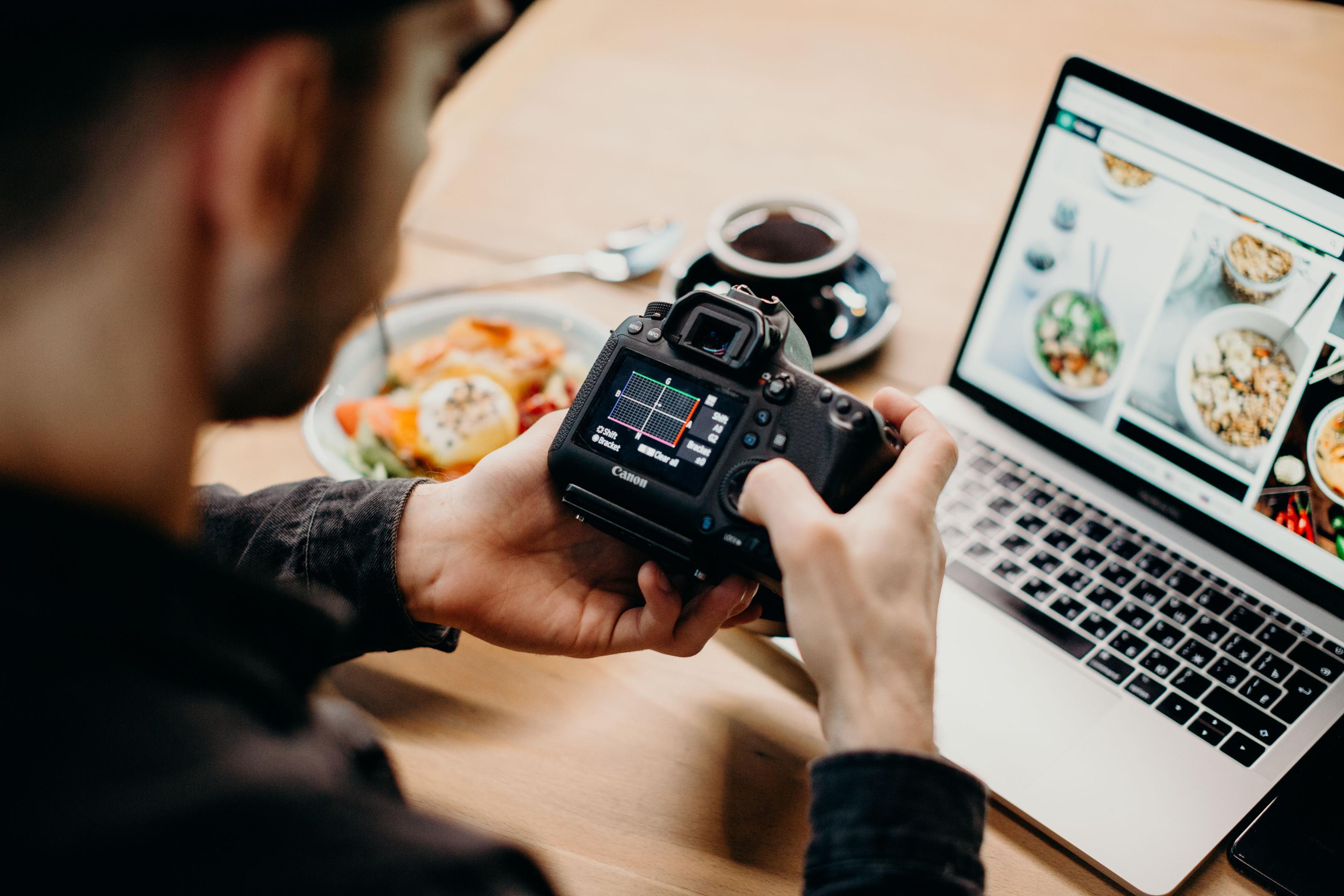
High-quality photos can significantly increase engagement on restaurant listings, so upload professional food shots and venue interiors
Using Google Posts can signal an active business to search engines, so post weekly about seasonal menus, holiday hours, and local events
Regularly updated Google Business Profiles signal business activity to Google, improving your ranking
Incorporate location-specific keywords in Google Posts to strengthen local relevance
Regular updates to your Google Business Profile signal activity to Google and keep your listing competitive

Keep Business Information and Local Citations Consistent Everywhere
NAP consistency is crucial for local search rankings. Use the exact same name, address and phone number format across every platform
Consistent NAP information across platforms boosts local SEO rankings, while conflicting NAP data can harm search engine rankings
Use the same formatting for NAP across all platforms (for example, always "Street" or always "St." but never both)
Monitor and update: Google Business, Apple Maps, Yelp, TripAdvisor, OpenTable or Resy, local tourism sites, Chamber of Commerce local listings, and Facebook
Conduct a NAP audit quarterly for all locations to catch old phone numbers, outdated addresses, or duplicate profiles
VoiceBit-built sites launch with clean, consistent contact and location information from day one, supporting your local citations and business listings
Build a Keyword Strategy Around Local Intent
Keyword research for restaurants should combine cuisine, concept, and neighborhood or city names. Local keywords should reflect actual customer search phrases, not what you think sounds impressive.
Select around 10 primary keywords per location, covering both high-volume and long-tail local searches
Use Google Keyword Planner to identify search volumes and find relevant keywords worth targeting
Map target keywords to specific web pages: home page, menu page, catering page, private events page, and each location page
Regularly update content to include trending food keywords like "smash burgers," "birria tacos," or "plant-based brunch"
Consider AI search phrasing such as "where can I get vegan lunch near me under $20" when researching keywords
Add relevant keywords to page titles and headings so search engines can clearly understand each page's focus
Use google search console to monitor which queries are already driving impressions and clicks
Make Your Restaurant Website SEO Friendly (and AI Friendly)
Your website is the foundation of your online presence and must clearly show what you serve, where you are, and how to order. Mobile-first design is crucial for restaurant websites in 2026, and maintaining a mobile-friendly website can reduce lost customers who bounce from slow or broken pages on mobile devices.
Write clear title tags and meta descriptions for every page
Use proper header structure and internal linking between menu, location, and ordering pages
Include essential website content: menu pages with text descriptions (HTML menus are more effective for SEO than PDF menus), location pages with maps and parking info, FAQ, and ordering instructions
Structured, crawlable content helps AI search systems understand your hours, pricing, cuisine, and ordering options
VoiceBit's website building service provides an SEO-ready, mobile-optimized restaurant site that connects directly to ordering flows, helping restaurant websites perform from launch
Create Dedicated Location Pages or a Simple Store Locator
Each physical location should have its own location page with unique local content, even for restaurants with only two or three spots
Creating location-specific content can help attract more customers by matching neighborhood-level queries
Include on each page: specific address, map embed, parking and transit details, local landmarks, neighborhood-specific copy, and featured reviews
Link each location page to location-specific menus, delivery zones, and reservation or ordering pages
VoiceBit can integrate AI phone ordering and web ordering from each location page to increase conversion from local search traffic
Use Local Content to Stand Out in Your Neighborhood
Creating local content improves visibility in local search results, and content creation helps position your restaurant as part of the community. Local content marketing establishes businesses as community resources, which drives both organic traffic and loyalty.
Write blog posts or landing pages tied to your city, neighborhood, and community, such as "Best late night eats near the Phoenix Theatre," "Local farms we source from in Sonoma County," or "Where to eat before a Celtics game"
Include photos and short stories about local partnerships, suppliers, and local events your restaurant participates in
Update local content at least monthly so search engines see fresh, helpful information; consistent content creation also supports ongoing local SEO over time
Internally link these posts to key ordering and reservation pages on your site to guide potential customers toward conversion

Collect and Respond to Reviews to Boost Local SEO and Trust
Encouraging and responding to reviews is a top local ranking factor. Businesses with more positive reviews attract more customers, and review quantity, quality, and recency all influence your position in Google Maps and the local pack.
Ask satisfied customers to leave reviews on your google business profile, Yelp, and other high-priority review sites
Encouraging reviews can improve search rankings significantly, especially for restaurants under 50 reviews
Aim for timely responses to reviews within 2 days
Responding to reviews boosts local SEO rankings. Restaurants with a response rate above 25% see measurably higher revenue
Review responses can include location-specific keywords naturally, like mentioning a dish or neighborhood
Address negative reviews professionally with a clear plan for resolving issues offline, which reassures both guests and search algorithms
Positive reviews and star ratings often appear directly in search engine results and AI summaries, shaping first impressions
Strengthen Local Authority with Directory Listings and Link Building
Maintain profiles on Yelp, TripAdvisor, OpenTable, local food blogs, city guides, and local directories
Backlinks from trusted local websites tell Google your restaurant is relevant and reputable
Sponsor local youth sports teams or community events for link building and goodwill
Partner with nearby hotels or other local businesses to exchange mentions and referrals
Join your local Chamber of Commerce or business association for directory listings and links
Collaborate with local media or food influencers for features and reviews
Target mentions in "Best of" lists, neighborhood roundups, or local newsletters to build links and website traffic
Consistent business information in all these mentions reinforces NAP and local citations
Technical SEO Basics Restaurants Should Not Ignore
Technical SEO may sound intimidating, but for restaurant owners, the essentials are straightforward. Fast loading speed is crucial as 40% of users abandon slow websites.
Ensure your site uses HTTPS and loads quickly on mobile devices
Restaurants should utilize structured data to improve search engine visibility. Use Restaurant and LocalBusiness schema markup to surface hours, menus, price range, and reviews
Schema helps Google and AI agents display rich results like star ratings, menu highlights, and "open now" indicators directly in search results
Run technical health checks after new menu uploads, image galleries, or theme changes
VoiceBit-built websites are designed to be fast, secure, and schema-ready for restaurant use cases
SEO, Online Ordering, and AI Phone Ordering: Connecting Visibility to Sales
Search engine visibility alone is not enough if ordering and reservation paths are confusing or unavailable on mobile. The gap between being found and getting an order is where revenue leaks. The average restaurant misses 43% of incoming calls during peak hours, contributing to billions in lost revenue across the industry annually.
An optimized site with clear "Order Now," "Call to Order," and "Reserve a Table" buttons converts search visitors into paying guests
VoiceBit integrates AI voice ordering into existing phone lines so calls from Google Maps and local searches never go unanswered
AI ordering delivers fewer missed calls, accurate menu integration, upselling, and automatic payment handling without extra staff
VoiceBit also supports web and SMS ordering, letting your target audience move from a search result to a confirmed order in seconds
SEO for Multi-Location Restaurants and Small Groups
Maintain separate Google Business Profiles for each location with unique photos, hours, and local content
Avoid duplicate local listings and inconsistent profiles, which confuse search engines
Create location-specific pages with structured data so each store ranks in its own neighborhood
Set central guidelines for brand voice and menu naming so target keywords are consistent while leaving room for local specials
VoiceBit can unify ordering, phone handling, and websites across multiple locations while giving each one its own SEO footprint
How to Measure Restaurant SEO Success
Track the metrics that connect search visibility to real revenue. Use analytics tools and platform insights to understand what is working and where to adjust.
Monitor impressions, clicks, and local search rankings for key terms in google search console
Review google business profile insights for calls, direction requests, and photo views
Track website traffic and online orders using google analytics
Conduct monthly reviews at both brand and location level, adjusting content and profiles based on patterns
Connect SEO wins to outcomes like more lunch orders on weekdays or increased catering inquiries during holidays
VoiceBit customers can see ordering and call volume alongside website performance to understand ROI more clearly
Step by Step Local SEO Plan for a Single Restaurant Location
Weeks 1 to 2:
Claim and fully optimize your google business profile.
Fix NAP across your top 10 online directories.
Weeks 3 to 4:
Update your website with location-specific keywords.
Publish your first piece of local content, such as a neighborhood dining guide or seasonal menu spotlight.
Weeks 5 to 6:
Start a review request process with satisfied customers.
Add basic Restaurant schema markup and check mobile performance.
Weeks 7 to 8:
Publish a second local content piece, such as a local events preview or supplier feature.
Begin outreach for one or two local link building opportunities.
Weeks 9 to 12:
Review search engine results and analytics.
Adjust keywords, content, and GBP posts based on what is driving local traffic.
Ongoing:
Layer on VoiceBit for AI phone ordering and modern online ordering flows once the SEO foundation is in place.
Common Restaurant SEO Mistakes to Avoid
Inaccurate business hours on Google, which frustrates local customers and hurts rankings
Low-quality or outdated photos that fail to attract clicks
Uploading menus only as large PDF files instead of HTML text that search engines can crawl
Ignoring reviews or replying only to negative reviews, which weakens both rankings and guest perception
Keyword stuffing, such as repeating "best pizza New York" unnaturally in every paragraph of your web pages
Relying only on third-party delivery marketplaces while neglecting your own website and direct ordering channels
Failing to update content during major changes like new locations or rebrands, which confuses search engines and AI assistants
Neglecting a marketing strategy for more organic traffic, leaving search visibility to chance in competitive industries
How VoiceBit Helps Restaurants Turn SEO Into Direct Orders
VoiceBit is an AI-powered voice ordering and direct ordering platform that connects your online visibility to frictionless ordering, turning search traffic into more business
Integrating VoiceBit with your existing phone lines ensures every call from Google Maps or local searches is answered 24/7 by AI that knows the live menu
VoiceBit's website building service delivers fast, SEO-optimized restaurant sites with built-in online ordering and SMS ordering, giving you a strong online presence from day one
Features like menu integration, payment processing, delivery management, and loyalty tracking work together to increase average order value and repeat visits
VoiceBit is the missing link between search, AI discovery, and real-world revenue for restaurant owners who want to own their customer relationships
Next Steps: Use SEO and AI Ordering to Grow Your Restaurant Revenue
Restaurant SEO is an ongoing habit, not a one-time project. Restaurants that invest steadily win local visibility, loyalty, and long-term profitability. Start by searching your own restaurant on Google and Maps and ask yourself: would a hungry guest know what to do next?
Visit voicebit.ai to explore AI voice ordering, website building, and direct ordering tools tailored for restaurants. Book a short demo to see exactly how VoiceBit can turn your search visibility into measurable revenue.
Claim and optimize your Google Business Profile
Fix your NAP and business listings across all platforms
Build an SEO-friendly website with clear ordering paths
Create local content that serves your community and your search rankings
Connect everything to a strong ordering experience with VoiceBit
Why VoiceBit
VoiceBit was built for restaurants that want to capture every order, answer every call, and keep customers coming back, without adding more work for staff. Our AI Voice Employee answers 24/7 in English and Spanish, takes orders, captures customer details, and routes complex calls to your team with full context.
Hear what real calls sound like below, then book a free demo or learn more about our phone AI.
Interested in VoiceBit?
Book a free demo or learn more about our AI Voice Employee.