Marketing Strategy of Restaurants: The Data-Driven Playbook for 2026
Introduction: Why Restaurant Marketing Matters in 2026
Since 2020, the restaurant industry has undergone a permanent shift. Takeout, delivery and phone orders surged during the pandemic and never retreated. At the same time, labor shortages, ingredient inflation and third-party delivery commissions of 15% to 30% have squeezed margins to the breaking point. For restaurant owners today, marketing is no longer a "nice to have." It sits alongside food quality and service as a core revenue driver.
Effective restaurant marketing strategies directly increase average check size, visit frequency and direct order volume. A well-timed SMS promotion can fill empty tables on a Tuesday night. A Google Business Profile optimized for local search can bring in foot traffic from people searching "tacos near me open now." The most effective marketing strategies combine a strong digital presence with community initiatives that keep neighbors coming back. Industry benchmarks suggest restaurants should allocate 3% to 5% of revenue for marketing, yet many independents spend that budget on scattered, one-off tactics with no clear return.
Modern restaurant marketing must be data-driven and tightly integrated with operations. That is where platforms like VoiceBit come in. VoiceBit is an AI voice ordering and direct ordering platform that helps restaurants capture first-party customer data from phone, web and SMS orders, then use that data to refine every marketing decision. This guide is written for independent restaurants and local businesses that want a practical, revenue-focused marketing plan rather than generic marketing ideas or vague advice about posting more on social media.
What Is a Restaurant Marketing Strategy (and How It Differs from "Random Marketing")?
A restaurant marketing strategy is a structured part of broader marketing plans, connecting your goals, channels, budget, guest data and measurement into one coherent system. Restaurant marketing without a strategy looks like random Instagram posts, occasional coupon drops and reactive discounting when sales dip. The difference matters because ad-hoc marketing efforts waste money and energy without building anything lasting.
A successful marketing strategy starts with concrete objectives. "Drive 25% more direct orders in Q4 2026" is a goal you can measure. "Post more on social media" is not. When you set specific targets, every tactic you choose, from email marketing to local SEO, has a clear purpose and a metric to evaluate.
Small independent restaurants need a marketing plan just as much as multi-location groups. Independents actually have advantages: closer relationships with the local community, more flexibility to test new ideas, and a personal story that resonates with local customers. A strategy helps you leverage these strengths rather than leave them on the table. Identifying your target audience is crucial for effective marketing, and tracking performance metrics is essential for optimizing restaurant marketing efforts over time.
Key differences between a plan and ad-hoc tactics:
Clear, measurable objectives vs. vague intentions
Consistent channel integration vs. sporadic activity
Data-backed decisions vs. intuition or guesswork
Customer-centric goals vs. self-referential content
Regular measurement and adjustment vs. "set it and forget it"
Core Components of a Modern Restaurant Marketing Plan
Every marketing plan needs the same foundational elements, regardless of whether you run a neighborhood pizza shop or a mid-priced casual dining concept. Here is what to include:
Restaurant overview: Format, size, strengths, weaknesses and current order volume across channels.
Mission and positioning: Your one-sentence promise to guests, plus a pricing and positioning strategy that reflects your concept and differentiates you from competitors.
Target guest personas: Demographics, ordering behavior, preferred channels and average spend.
Marketing channels: Direct ordering (phone, web, SMS), social media, local SEO, email marketing, third-party apps.
Budget allocation: How much to spend on ads, content, software subscriptions and staffing.
Measurement and KPIs: Direct order growth, average order value, repeat rate, cost per acquisition.
For a pizza restaurant, the plan might prioritize phone and SMS ordering for takeout families, with weekday lunch promotions targeting nearby office workers. A casual dining spot might focus on date-night ambiance, weekend brunch campaigns and high quality food photography on Instagram. The framework is the same; the details change.
Gathering data on your target audience tailors marketing efforts to what actually works. Menu engineering helps maximize profitability by focusing on top-performing dishes. VoiceBit's direct ordering data, including order history, frequency, preferred dishes and time of day, should feed into each component so your plan reflects real guest behavior, not assumptions.
Defining Your Brand, Mission and Unique Selling Proposition
Clear brand positioning helps potential customers instantly understand what you offer and why they should choose you. "Family-friendly Neapolitan pizza in Austin since 2015" communicates heritage, location, cuisine and audience. "We serve pizza" says nothing memorable. Your brand identity is what separates you from the dozens of other options in your local market.
Your brand promise should show up consistently across every touchpoint: menu design, interior decor, photography style, social media tone and even the voice prompts guests hear when they call in. Customer feedback helps shape restaurant brand identity, so pay attention to what guests praise in reviews and conversations. Highlighting sustainability practices attracts values-driven consumers who want to support businesses aligned with their beliefs.
Use the following prompts to sharpen your brand:
List three things guests most frequently praise in online reviews or calls. Do those align with your current branding?
Write a one-sentence mission statement, then pull one or two phrases from it to serve as your USP.
Audit your Google Business Profile, Yelp listing and website for consistency in logo, tone, menu language and imagery.
Review VoiceBit data on repeat dishes and peak order times to see what guests truly value about your restaurant.
Check whether your marketing materials, interior and menu photography reflect your mission and USP.
If you promise "fresh local ingredients," make sure your copy and images do that promise justice.
Ask your team what they believe your restaurant stands for and compare their answers to your written mission.
Knowing Your Guests: Target Customers and Data Collection
Defining target customers means specifying real attributes, not guessing. Consider age ranges (say 25 to 45), neighborhood proximity, dining frequency, preferred ordering channels (phone vs. web vs. walk-in) and average spend. Creating restaurant personas helps define your ideal customer so you can tailor every promotion.
Review those personas regularly against changing customer behavior and broader industry trends.
Surveys and online reviews provide insights into customer preferences, revealing what guests love, what frustrates them and what they wish you offered. Understanding your audience improves personalized marketing experiences across every channel.
Here is how to collect guest data:
POS and order history: See what sells, when and to whom.
VoiceBit call data: AI voice ordering captures structured information (name, phone, order history, delivery address, preferences) and returns it to the restaurant instead of locking it inside a third-party app.
Online reviews: Mine Google, Yelp and social media for recurring themes.
On-site comment cards and QR surveys: Quick feedback at the table.
Social media messages: DMs, tags and comments reveal preferences.
Once you have the data, use it to personalize offers. For example, send a text about a new vegan item only to guests who frequently order plant-based dishes. Offer a free dessert on a birthday to anyone who has ordered via phone in the past year. This level of personalization builds customer loyalty and drives repeat business.
All data collection must follow privacy rules. Clearly disclose how you use guest information, provide opt-in choices during ordering and allow easy opt-out.
Local SEO, Online Reviews and "Near Me" Discovery
Local SEO helps customers find restaurants nearby, and in 2026, "near me open now" searches remain one of the most powerful triggers for last-minute dining and ordering decisions. If your restaurant does not appear in local search results when someone nearby is hungry, you are invisible at the moment that matters most.
Optimizing Google Business listings improves online visibility and is the foundation of search engine optimization for any restaurant business.
Checklist: Local SEO basics for your restaurant
Claim and verify your Google Business Profile with accurate name, address and phone number.
Keep opening hours, holiday schedules and menu links current. Restaurants should update their online menus regularly for SEO.
Add an "Order online" button that points to your direct ordering channels, not only third-party apps.
Upload fresh, high-quality photos monthly.
Use location-based keywords in your profile description to boost local search rankings.
Ensure NAP consistency across Yelp, TripAdvisor, Facebook and Apple Maps so your restaurant appears on Google Maps and other platforms.
Managing online reputation is crucial for customer engagement in restaurants. Online reviews decide where people eat: 80% of customers trust other diners' reviews when choosing a restaurant. That makes review management a revenue activity, not a vanity exercise.
Encourage customers to leave positive reviews after a great experience, since stronger ratings and local visibility help attract more customers. Use QR codes on tables, automatic SMS follow-ups from VoiceBit after completed orders and gentle verbal asks from staff. Responding to online reviews improves customer engagement and signals to search engines that your business is active. Positive reviews can be used as testimonials in marketing materials on your website and social channels.
Owning Your Direct Ordering Channels: Website, Phone and SMS
Third-party delivery apps typically charge 15% to 30% commission per order. If your average delivery order is $35, you could lose $5 to $10 per transaction. Multiply that across hundreds of monthly orders and the margin leak becomes significant. Steering guests to direct ordering channels protects your restaurant's visibility, margins and data.
Your website is your digital home. Mobile-friendly websites improve customer accessibility and ordering, which means mobile-first design, fast loading, an up-to-date menu, clear "Order now" buttons, a map and contact details are non-negotiable. Integrate online ordering directly so guests never need to leave your site.
The phone remains a critical conversion channel, especially for local businesses with older or less tech-savvy guests. Many restaurants lose roughly 30% of incoming calls during peak hours when staff are stretched thin. VoiceBit's AI voice ordering answers every call, captures the full order, takes payment and can offer upsells. It collects structured data that flows into your CRM and marketing tools, turning every phone interaction into a customer relationship you own.
SMS ordering and confirmations through VoiceBit make reorders as simple as replying to a text. This also creates a direct messaging channel for future promotions, loyalty rewards and customer inquiries, all without marketplace middlemen.
Social Media Marketing and User-Generated Content for Restaurants
Social media marketing is essential for engaging potential diners. 48% of consumers use social media to find restaurants, so nearly half of your potential guests are deciding where to eat while they scroll. Your Instagram, TikTok and Facebook profiles function as digital storefronts that show atmosphere, menu and personality before a guest ever walks through the door.
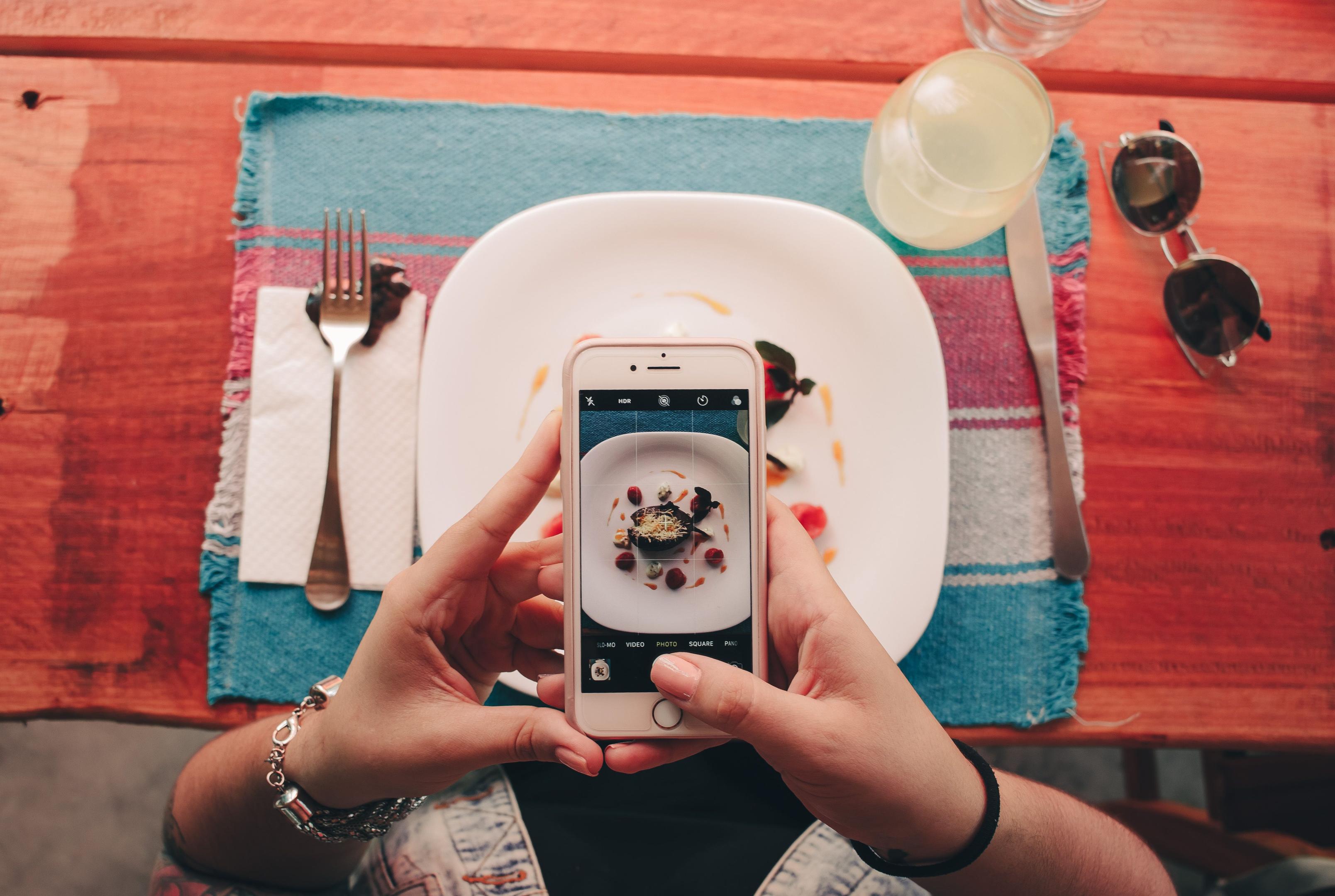
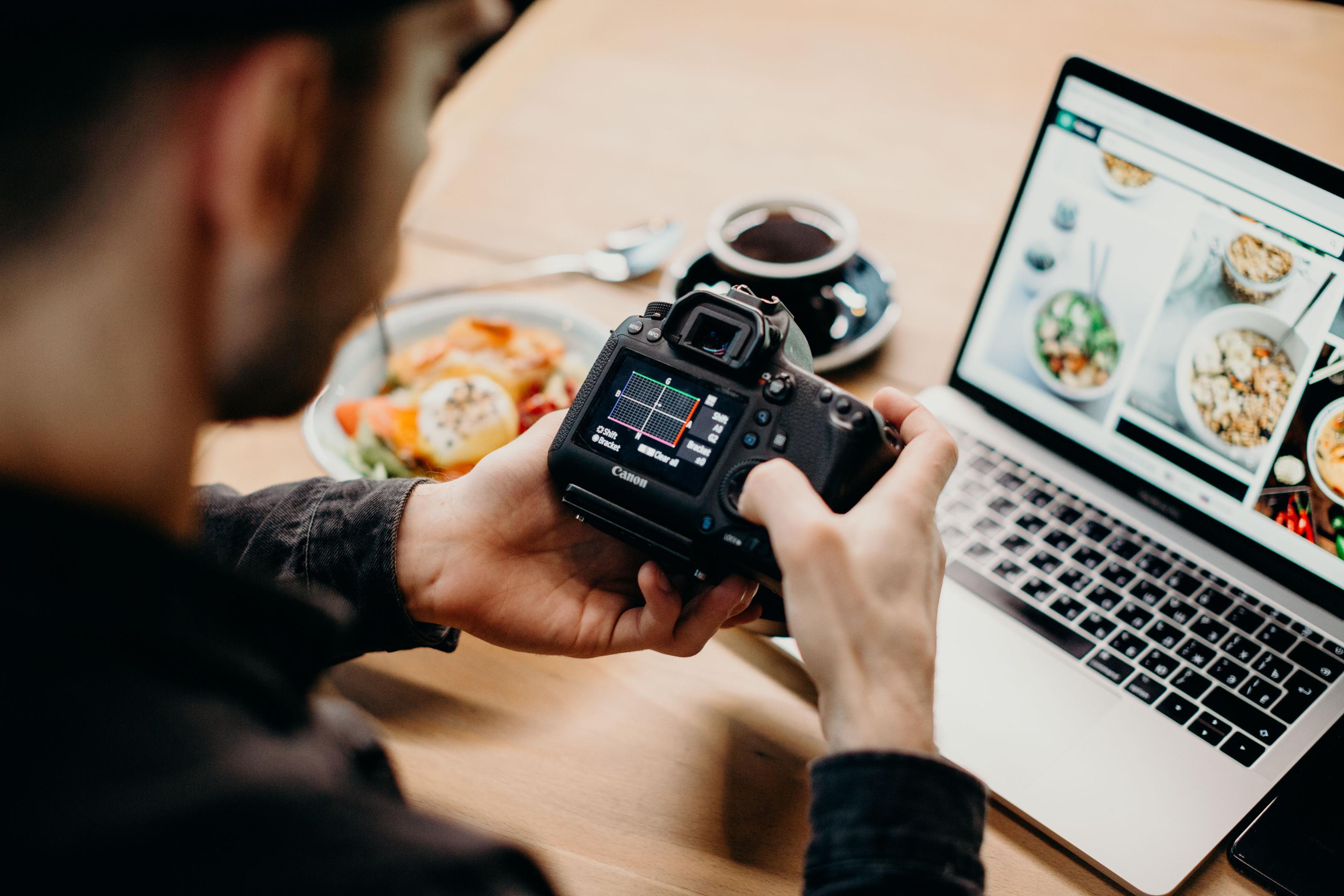
Social media platforms like Instagram favor visual content, so invest in strong food photography and short video. Video earns more engagement than static posts and shows off your ambiance in a way a photo cannot. Consistency in social media posts enhances audience engagement, so commit to a realistic publishing schedule.
User-generated content builds trust faster than anything you post yourself, because it comes from a real guest instead of your marketing team. Encourage user generated content by plating visually striking dishes, creating a small photo corner with good lighting and asking guests to tag your account. Responding to comments on social media fosters customer engagement and keeps the conversation going.
5 weekly posts any restaurant can schedule:
Monday: Dish showcase with a mouthwatering photo or short clip.
Tuesday: Behind-the-scenes prep or staff introduction.
Wednesday: Midweek special or limited-time offer with a direct order link.
Thursday: Guest spotlight or repost of user-generated content.
Friday: Weekend preview video or event announcement tied to local events when relevant.
Link every post back to your own ordering channels rather than only to third-party apps. This preserves both revenue and data.
Email, SMS and Loyalty Programs that Retain Customers
Customer retention is far cheaper than customer acquisition. Restaurants should leverage email marketing for personalized, direct communication that supports retention and repeat visits. Personalized emails generate 12X more revenue per send than mass emails, making segmentation essential.
Email and SMS marketing enable personalized customer engagement. Here is a basic setup:
Collect addresses at the table, during online ordering and over the phone via VoiceBit opt-ins.
Segment your list by order frequency, preferred dishes, channel and location. Segmenting email lists increases relevance and engagement.
Send a monthly newsletter with events, new menu items and stories. Regular email campaigns keep diners informed and encourage repeat visits.
Run targeted campaigns like birthday offers, win-back messages for lapsed guests and seasonal promotions. Automated promotions can boost customer engagement during holidays.
48% of consumers prefer receiving texts about restaurant offers, which makes SMS a powerful complement to email. Use SMS for timely, short messages: today's lunch special, a rainy-day discount or last-minute availability.
Using AI tools can enhance personalized marketing campaigns. VoiceBit's direct ordering flows naturally collect opt-ins for email and SMS, then connect to loyalty programs that reward frequent orders. A well-structured loyalty program encourages repeat visits and can take several forms:
Digital punch cards: Free side after five delivery orders placed via phone or web.
Points systems: Earn points per dollar spent, redeem for menu items.
Visit-based tiers: Bronze, Silver, Gold with escalating perks.
Loyalty programs can significantly boost sales, and digital loyalty programs can integrate with point-of-sale systems so rewards are tracked automatically. Use VoiceBit data to send personalized rewards that feel thoughtful rather than generic, turning existing customers into loyal customers who drive repeat visits for years.
Balancing Third-Party Delivery Apps with Direct Ordering Strategy
Delivery marketplaces offer reach and discovery. They put your restaurant in front of new customers who might never have searched for you. The downsides are steep: high commission fees, loss of the direct customer relationship and limited control over your customer base and data.
A smart approach is the "barbell" strategy: use third-party apps as discovery tools while actively converting repeat guests to direct channels over time.
Tactics to shift volume toward direct ordering:
Include inserts with direct-order QR codes in every delivery bag.
Offer exclusive discounts or slightly better prices on direct channels.
Promote your restaurant's phone number and website on social media and on-premise signage.
Reserve certain menu items for direct orders only.
VoiceBit helps capture and retain customers who call directly for delivery, reducing missed calls during peak hours and making those interactions as smooth as any major app. Cross-promotions with nearby businesses expand your reach and strengthen your presence in the neighborhood. Partner with local hotels, gyms or offices to encourage customers to order direct.
Marketplace-only vs. Direct-first comparison:
Factor | Marketplace-only | Direct-first |
|---|---|---|
Margin per order | Low (15-30% commission) | High (minimal fees) |
Customer data | Owned by platform | Owned by you |
Brand loyalty | Weak | Strong |
Order accuracy | Variable | High (AI-assisted) |
Long-term retention | Low | High |
Turning Operations and Ordering Data into Smarter Marketing Decisions
The most effective restaurant marketing strategies are powered by real numbers, not guesswork. Every restaurant manager should track a core set of metrics that connect marketing campaigns to revenue.
VoiceBit's AI ordering platform aggregates phone, web and SMS orders into actionable reports that show which campaigns work, which marketing channels drive orders and which guest segments respond best.
Monthly data review checklist:
Repeat visit rate: Are loyal customers coming back more often?
Average order value: Are upsells and promotions lifting check size?
Channel attribution: Which channel (phone, web, SMS, social) drives the most direct orders?
Missed call rate: How many potential orders are you losing?
Menu item popularity: Which items have high reorder rates and strong margins?
Campaign performance: Did last month's email or SMS promotion generate measurable sales?
Use these insights for concrete decisions. If data shows a midweek slump, run a themed event or happy hour on that night. Hosting themed events can drive traffic during slower times. If a neighborhood generates heavy phone order volume, target that area with local flyers or ads. If a new menu item sees strong reorders, give it permanent placement. Having first-party data from VoiceBit means less reliance on opaque third-party reporting and more control over your restaurant's marketing goals.
Building Your Restaurant Marketing Roadmap with VoiceBit
A modern restaurant marketing plan connects brand identity, target customers, local SEO, social media marketing, direct ordering, loyalty programs and data analytics into one roadmap. Each piece supports the others: local SEO brings in new customers, direct ordering captures their data, loyalty programs encourage repeat business, and analytics tell you what to do next.
VoiceBit sits at the center of this system as the backbone that captures guest data from every direct interaction, whether by phone, web or SMS. It turns ordering channels into ongoing relationships that fuel smarter marketing decisions month after month. To engage customers and attract customers at scale, you need technology that works around the clock without adding labor costs.
If you are ready to take the next step, visit voicebit.ai to see a product demo, explore case studies of restaurants that increased direct orders and reduced missed calls, or request a consultation to design a marketing strategy around your existing phone traffic. Start by auditing your current marketing efforts and identifying where you are losing margin or data to third-party platforms. Pick one pilot location, connect VoiceBit and measure the impact on direct orders, customer satisfaction and marketing success over 90 days.
AI voice ordering and data-driven restaurant marketing are not future concepts. They are shaping profitable, resilient local businesses right now. The restaurant owners who invest in these systems today will build a loyal customer base, protect their margins and outpace competitors through 2026 and beyond.
Restaurant Marketing FAQs
How much should a restaurant spend on marketing? Most industry benchmarks suggest allocating 3% to 5% of revenue. Focus spending on channels that drive measurable direct orders and repeat visits rather than spreading budget thinly across every platform.
What are the most effective marketing strategies for independent restaurants? Local SEO, direct ordering optimization, email and SMS campaigns, loyalty programs, social media content and partnerships with other local businesses and local food bloggers consistently deliver the strongest returns for independents.
How does AI voice ordering fit into a restaurant marketing plan? AI voice ordering captures every call, reduces missed orders during peak hours and collects structured guest data. That data feeds directly into your marketing plan, enabling personalized promotions, smarter menu decisions and higher customer retention across your entire customer experience.