Web Design for Restaurant: Turn Your Website Into a 24/7 Revenue Channel
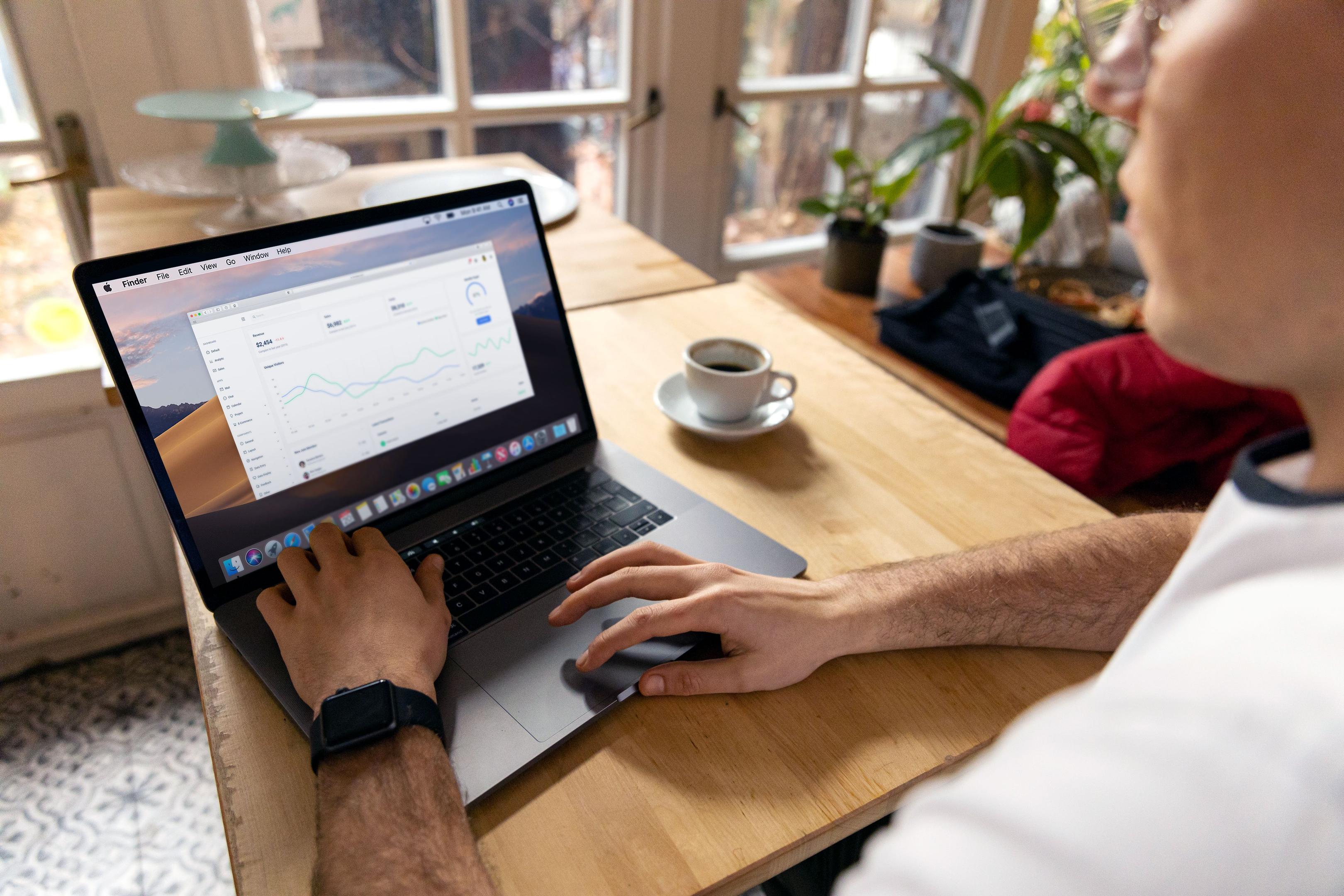
A well-crafted website is often the first customer interaction your restaurant will ever have. In 2026, effective web design for restaurant businesses is not about winning design awards. It is about creating a visual and fast experience that converts visitors into diners, and diners into repeat customers. This guide walks you through every practical step.
This guide is designed for restaurant owners and managers who want to transform their website into a powerful sales and marketing tool. We'll cover everything from essential design principles and online ordering to local SEO and customer loyalty strategies.
Why Your Restaurant Website Is Now Your Busiest "Front of House"
Most new customers discover a restaurant via local search on Google before they ever walk through the door. Surveys show that 66% of diners use Google search to find new restaurants, and over 90% check the restaurant website before placing an order or making a visit. Your effective online presence communicates your brand's value and shapes the guest's online experience long before a guest tastes your food.
The modern restaurant website does far more than display your menu. It handles online ordering, takeout, online reservations, and even phone orders automatically, freeing staff to focus on the dining room. VoiceBit is an AI ordering and restaurant website builder that connects your site and phone line into a single direct ordering system.
Consider the numbers: independent restaurants commonly lose $20,000 to $35,000 per year due to missed calls alone. Reducing missed calls by even 30% can recover thousands of dollars in monthly revenue. This article is a practical guide for owners and managers who want a website that drives sales, not just looks good.
Core Ingredients of a High-Converting Restaurant Website
Every successful restaurant website needs a clear page structure, and many operators begin with a restaurant website template before customizing pages. At minimum, plan for these pages:
Homepage with a hero section, one clear call to action ("Order Now" or "Book a Table"), phone number, and operating hours above the fold, presented on a custom domain for a more professional branded experience
Menu page with a web-native, text-based online menu (never a PDF, which forces mobile users to download and zoom)
Online ordering page with a full ordering flow
Reservations page where guests can book tables directly
About page that tells the restaurant's story
Locations and hours with contact details, a Google Maps embed, parking info, and delivery zones
FAQ and contact info page
Your menu must be web native instead of a PDF. About 75% of guests want a browsable menu on the site, and 64% expect to order online from the same page. A restaurant website should always include a prominent display of essential information such as location and operating hours, because hiding these details increases bounce rates and unnecessary phone calls. It also helps to secure a memorable domain as the restaurant's digital address.
Every page should support both web ordering and phone ordering, with buttons that connect directly to VoiceBit's ordering flows.
Design Principles That Make Guests Hungry and Ready to Order
Design choices should mirror the dining room experience. Your color palette, typography, logo, and photography should match the style and brand of your food business. High-quality visuals are essential for showcasing food and the dining experience.
For inspiration, look at how leading templates handle this. NKORA features clean lines and drool-worthy food photography. Nuff uses bold typography and electric colors for a playful design. Deleito emphasizes refined typography and luxurious imagery. Feastie showcases vibrant dish shots for family-friendly eateries, and Tapdaa focuses on a clean design for fast-casual restaurants. The Framer Food Gallery features dozens of restaurant website designs worth studying.
Use large, well-lit, high quality photos of best-selling dishes and combo offers, but compress them so they keep fast loading speeds on mobile devices and Wi-Fi alike. Mobile-first design is critical as most diners browse on smartphones. Start your layout on a 6-inch screen, then scale up for desktop, not the other way around. Mobile optimization is essential for restaurant websites to enhance user experience and accessibility.
Build a clear visual hierarchy: primary call-to-action buttons in a single contrasting color, readable font sizes, short section headings, and no clutter around the menu and ordering areas. Use subtle motion or microinteractions only to support the ordering flow, like confirming an item has been added to cart.
Local Search, Google Maps, and How Customers Actually Find You
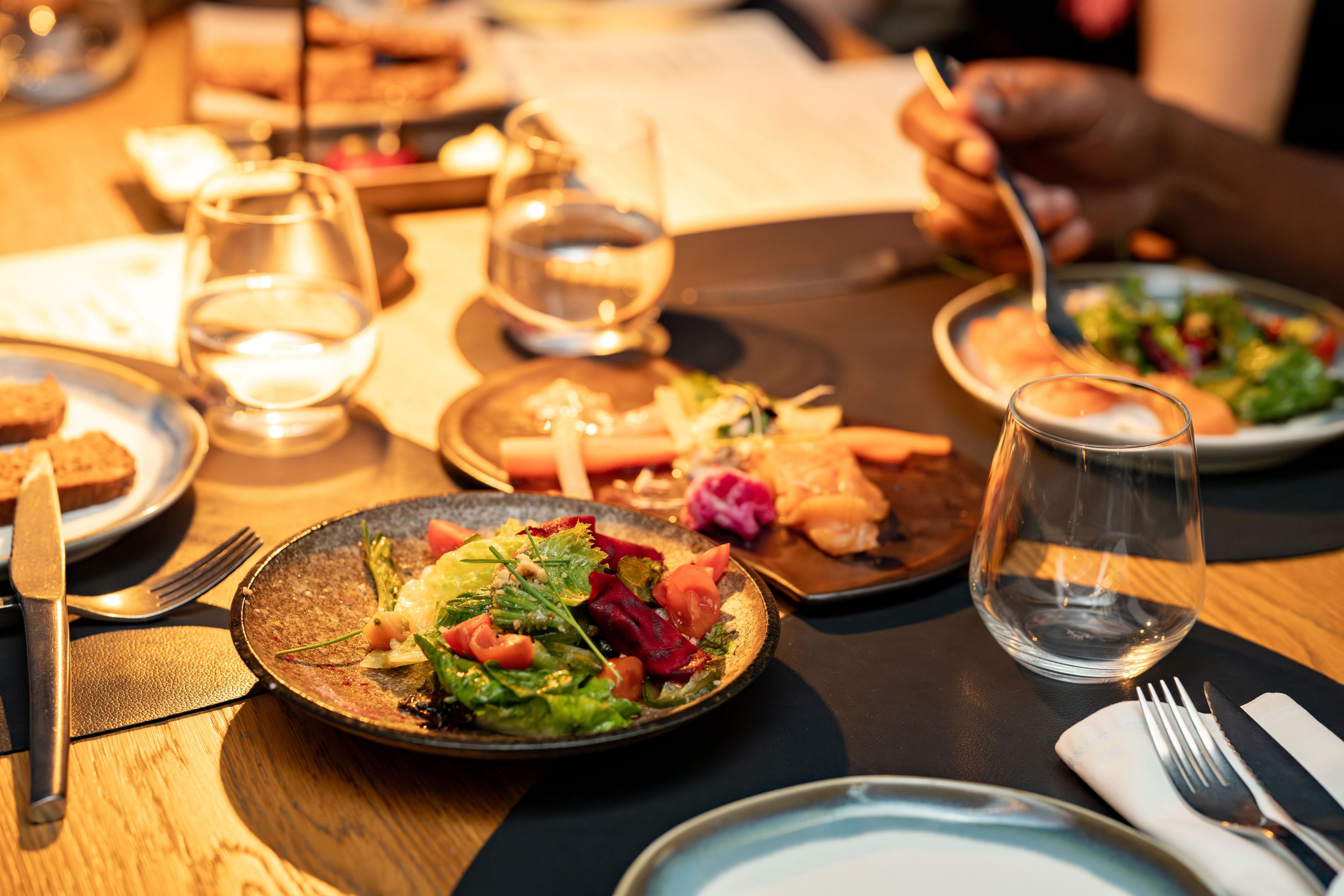
Most diners search phrases like "tacos near me" or "pizza delivery in Brooklyn" and then tap the restaurant website link inside Google Maps or the local pack. Better SEO expands your reach and attracts more customers who are ready to order right now. Local SEO helps attract customers searching for nearby restaurants.
Your site must clearly show these elements:
Consistent name, address, and phone number across every page
Live opening hours (including holidays and special events)
Delivery zones and pickup areas
An embedded map tied to Google Maps
Connect your website content with your Google Business Profile by matching categories, hours, and menu links between both. Structured data markup improves search engine visibility, and using schema markup helps search engines understand your restaurant. Platforms like Wix include customizable meta tags for SEO, which helps your pages rank for location-based queries.
If your restaurant business has multiple branches, create a location-specific landing page for each one, featuring local high quality images, directions, and unique neighborhood details. VoiceBit's direct ordering links can be placed in your Google Business Profile so the "Order online" button sends guests to your commission-free online ordering system instead of third-party apps.
From Brochure to Booking Machine: Integrating Reservations and Online Ordering
An old brochure-style restaurant website simply displays information. A modern site routes visitors directly to actions: reserve, order, or call. Action-oriented design with clear call-to-action buttons improves user engagement and moves guests from browsing to buying.
There is a significant difference between a simple contact form and a real online ordering system. A proper system supports:
Item options and modifiers
Delivery address entry
Secure payment processing
Order confirmation via SMS or email
Online ordering systems enhance customer convenience and increase sales. Reservations can be made directly from the restaurant's website without a phone call. The smooth ordering flow looks like this: choose dishes, customize, select pickup or delivery, pay, and receive confirmation, all without needing staff intervention.
VoiceBit connects the restaurant website, SMS, and phone line so guests can start an order on the site and later reorder by calling, with the AI remembering preferences and favorite orders. Place "Reserve a table" and "Order now" buttons in the navigation bar, hero section, and a sticky footer on mobile for constant visibility.
VoiceBit: AI Voice Ordering and Website Builder for Restaurants
VoiceBit is a voice-first direct ordering platform built specifically for independent restaurants and small-to-mid restaurant groups. It sits on top of your restaurant website and existing phone numbers, turning both into revenue channels.
You can use VoiceBit to create a restaurant website or integrate with an existing one. It syncs your online menu across web, phone, and SMS ordering channels so every touchpoint uses the same prices, modifiers, and availability.
Key capabilities include:
AI phone answering 24/7, handling order taking, menu questions, and FAQs in English and Spanish
Payment processing over phone and web
Loyalty program enrollment and customer profiles
Delivery management with zero-commission on-demand options
SMS ordering and confirmation flows
The site's "Call to order" and "Order online" buttons both connect to the same VoiceBit system, keeping every order in one dashboard and improving order accuracy. In a case study, Fournos Pizzeria saw its AI handle 40 to 50 phone calls per week, with orders placed and paid in about one minute.
VoiceBit removes the need for multiple extra tools like separate online ordering widgets, call center services, and basic restaurant website builders. Other platforms serve different needs: Wix offers a commission-free online ordering system, Jimdo allows customers to make reservations directly from the website, WordPress is a popular website builder for restaurants with user-friendly templates, and Framer provides over 2,000 customizable restaurant website templates. VoiceBit goes further by unifying voice, web, and SMS into a single platform purpose-built for restaurants.
Visit the VoiceBit website to request a demo or see real restaurant website examples using AI ordering in production.
Technical Essentials: Speed, Security, and Analytics That Protect Revenue
Fast loading speeds are crucial for user satisfaction and search rankings. Sites that load in under two seconds convert significantly better, while restaurants should avoid slow load times as they can lose potential customers quickly when pages take more than three seconds. Even a 100ms delay can reduce conversions by 5 to 7%.
To keep your site fast:
Compress all high quality images using next-gen formats
Limit heavy scripts and third-party trackers
Use a restaurant website builder that handles performance optimization automatically, or modern hosting with a CDN
Security basics matter too. Every restaurant site needs HTTPS, PCI-compliant payment gateways, and regular software updates to protect customer data and reduce fraud risk.
Built-in analytics help you track which dishes sell best online, which channels bring in the most new customers, and where guests abandon the ordering flow. VoiceBit's dashboard combines web ordering analytics with AI phone order data, giving owners a complete view of revenue across multiple platforms instead of only website visits.
Turning Visitors Into Regulars: Loyalty, Content, and Ongoing Optimization
Your restaurant website can collect email and SMS opt-ins at checkout or via a simple "Join our club" form. Offer specific incentives like birthday rewards, first-order discounts, or early access to seasonal menus and cooking classes to attract signups.
Keep the site fresh with a basic content plan: regularly update specials, showcase live music nights, promote special events, or highlight chef features. Fresh content helps both guests and search engines. Add social media links and social media integration so visitors can follow along on other channels and share your promotions.
Trust signals like customer reviews increase credibility and encourage dining decisions. Feature Google Reviews snippets, star ratings, or short customer quotes as social proof near the ordering and reservation buttons. About 74% of guests look for this kind of validation on a restaurant's site before placing an order.
VoiceBit's loyalty and repeat ordering features turn one-time website visitors into repeat buyers by remembering favorite orders and sending timely reactivation messages. Restaurants using VoiceBit typically see ROI within 60 to 90 days through recovered calls, new direct orders, and reduced commissions.
Smart web design for restaurant businesses, combined with AI voice ordering from VoiceBit, turns a restaurant website from a cost center into a core revenue engine. If you want to see how this works for your specific setup, explore VoiceBit.ai for a tailored walkthrough and start turning every call, click, and text into a completed order.