Artificial Intelligence Restaurants: How AI Ordering Boosts Revenue for Modern Restaurants
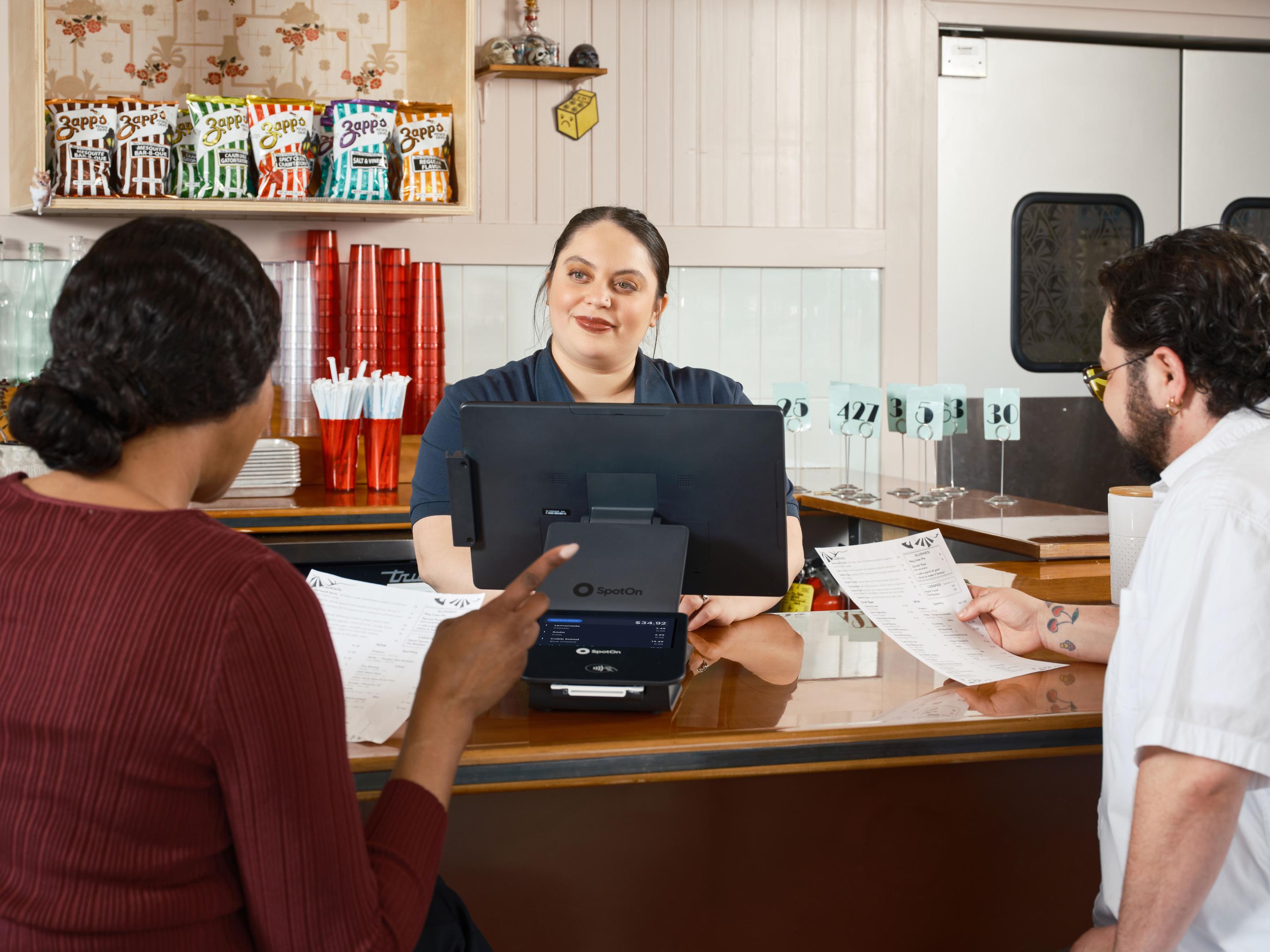
Artificial intelligence is reshaping how restaurants operate, and the shift is accelerating fast. Since 2022, restaurant operators have faced relentless increases in labor and food costs, with independent full-service operators spending roughly 34% more on food compared to prior years. At the same time, guests expect instant responses, whether they are calling to place a pickup order at 10 PM or checking allergen info before a Friday dinner. The result is a widening gap between what diners demand and what most restaurants can deliver with existing staff alone.
The restaurant industry is responding. Quick service restaurant chains like Taco Bell and KFC have partnered with NVIDIA to pilot AI ordering at drive-thrus. AI is implemented for voice recognition in drive-thrus to improve order processing, and AI is used to automate drive-thru ordering and predictive inventory management in restaurants of all sizes. But this is not just a story about fast food chains. Independent restaurants and small groups are adopting ai tools like VoiceBit, a restaurant ai service that automates phone ordering and reservations using conversational voice technology.
This guide will show you practical ways to use ai solutions, especially VoiceBit, to recover missed revenue, reduce food waste, improve inventory management, and convert more customer calls into paid orders. Here is what we will cover:
What restaurant AI actually means in 2026 and how it differs from old phone systems
The direct revenue impact of AI ordering, with real numbers
How VoiceBit works inside your restaurant, step by step
Core use cases from phone answering to dynamic menu pricing
Implementation checklists, KPIs, and how to get started today
What is restaurant AI in 2026 and why it matters now
When we talk about artificial intelligence restaurants, we mean businesses in the food industry that use ai technologies to automate or support daily workflows. This includes ai agents that answer phone calls, ai powered systems that manage inventory, machine learning algorithms that forecast demand, and natural language processing engines that understand spoken orders in real time.
The difference between modern ai powered virtual assistants and traditional IVR phone trees is significant. Old IVR systems force callers through rigid menus ("press 1 for hours, press 2 for reservations"). Conversational voice AI, like VoiceBit, lets customers speak naturally, handle modifiers like "no onions" or "extra sauce," and get instant answers. AI enhances customer experiences by automating phone and drive-thru order-taking in ways that feel closer to talking with a real person.
Restaurant AI spans both front-of-house and back-of-house. On the front end, it handles ordering, customer inquiries, dynamic pricing, and reservations. Back-of-house operations in restaurants are optimized using artificial intelligence for demand forecasting, food preparation scheduling, and staffing. Today, 63% of restaurant operators report daily use of artificial intelligence to improve customer journeys, and 82% of restaurant executives plan to increase AI investment in the next fiscal year.
Key capabilities of restaurant AI in 2026 include:
Automated phone answering and voice ordering with natural speech
Real-time POS integration for seamless kitchen ticketing
Modifier, allergen, and combo logic handling
24/7 call coverage including after hours and holidays
Predictive analytics for inventory, demand, and staffing
Multi-language and multi-channel support
Customer data capture for loyalty programs and repeat ordering
The business case: How AI ordering increases revenue and cuts costs
Most restaurants still lose money every week from missed phone calls, order errors, and inefficient staffing. AI ordering directly addresses these leaks. Consider this: 83% of customers will switch restaurants after reaching voicemail multiple times. Every unanswered call during a Friday rush is not just an inconvenience; it is lost revenue walking out the door.
AI is used for predictive analytics to forecast sales and labor needs in restaurants, and AI can predict restaurant traffic patterns for better staffing decisions. But the most immediate revenue lever is simply answering the phone. A 60-seat restaurant missing 20 calls per day at an average $28 check size loses roughly $560 daily. Over a year, that adds up to more than $200,000 in potential revenue left on the table. AI phone answering can save restaurants from answering 40 calls daily, freeing staff while capturing orders that would otherwise vanish.
The revenue impact breaks down into clear levers:
Recovering missed calls: AI voice agents answer every call, even during peak hours, raising answer rates from 60% to near 99%.
Increasing average order value: Consistent upselling of sides, drinks, and combos can raise ticket sizes by 20 to 30%.
Reducing food waste: Better order accuracy and demand prediction means fewer remakes and less over-prep. AI can reduce food waste by 20% through better inventory management.
Improving table turns: Automated systems allow restaurants to manage dynamic waitlists and bookings using AI, converting reservation inquiries into confirmed covers.
AI helps restaurants lower costs by optimizing inventory and staffing levels. AI-driven software analyzes historical sales data for predictive labor and staffing, and 38% of restaurant leaders see effective scheduling as AI's top benefit. AI can predict restaurant peaks and lulls to optimize staffing, which helps reduce overstaffing and understaffing issues in restaurants.
Illustrative ROI: If VoiceBit recovers 80% of a restaurant's 20 missed daily calls at $28 average, that is $448 per day recovered, or roughly $13,440 per month. Against a monthly subscription cost of around $1,500, the net gain exceeds $11,000 monthly. AI can increase online sales by 132% in 90 days when phone and web ordering channels work together.
VoiceBit overview: Restaurant-first AI ordering and phone automation
VoiceBit is a specialized ai system built specifically for the restaurant setting. It provides an "AI Voice Employee" that answers every phone call, takes delivery and pickup orders, handles FAQs, and routes orders directly into POS systems. It also offers a mobile-optimized direct-ordering website, a customer relationship platform for loyalty and repeat orders, and access to an on-demand delivery network without commission fees.
Key features for restaurant owners include:
Menu-aware ordering that supports modifiers, combos, substitutions, allergen options, and sold-out items
POS and kitchen display integration so orders flow into normal kitchen workflows with no manual re-entry
Multi-language support for diverse neighborhoods
Real-time menu updates for specials, pricing changes, and availability
Customer data capture for building loyalty programs and analyzing past orders and customer preferences
VoiceBit is ai powered but designed to preserve human hospitality. Restaurant owners control the tone, greetings, and upsell logic so the restaurant experience stays authentic. Dashboard data from VoiceBit customers shows monthly phone revenue figures like $28,420 with an average ticket of $48.70 and a 99.2% call answer rate. One neighborhood pizza shop used VoiceBit to capture after-hours calls, turning previously unanswered late-night orders into paid revenue and boosting weekend sales.
Later sections will show step-by-step how to adopt VoiceBit in under a week and what results to expect in the first 90 days.
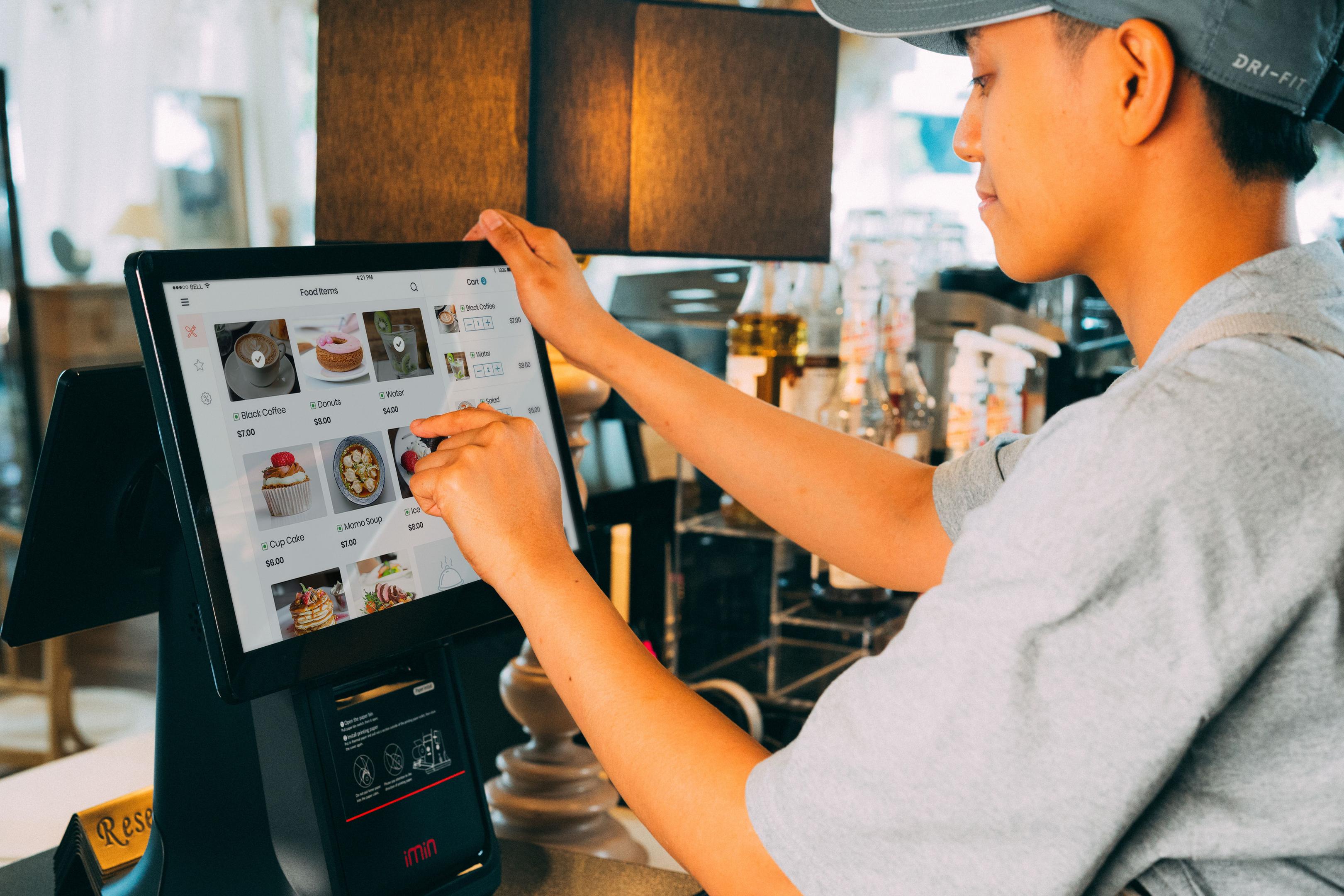
Core use cases of artificial intelligence in restaurants today
AI in restaurants already covers many daily workflows, but restaurant owners should focus first on ordering and guest communication because these are the fastest-win areas where leakage is tangible and measurable.
Common ai applications for restaurants include:
Phone answering and voice ordering (pickup, delivery, catering)
AI assistants and chatbots for customer inquiries
Inventory management and demand forecasting
Dynamic menu pricing and menu engineering
Content creation ai for marketing, social media posts, and review analysis
Reservation, waitlist, and table management
Predictive analytics for staffing and food preparation planning
Each of these solves real problems: staff shortages, rising ingredient costs, inconsistent dining experience, missed customer interactions. The following subsections dive into the most revenue-impacting applications, with VoiceBit as a practical example for phone and voice ordering.
AI phone answering and 24/7 ordering
AI agents like VoiceBit answer every incoming call, even during peak services, holidays, and after closing time. A typical flow works like this: the customer calls, the voice assistant greets them by name if they are a repeat caller, takes a delivery or pickup order, confirms the address, suggests sides or drinks, sets an accurate pickup time, and processes special requests like "no gluten" or "extra spicy."
This 24/7 coverage converts late-night and early-morning calls into orders without adding staff hours, which makes sense for pizza, kebab, and late-service concepts. AI can reduce wait times by 30 seconds on average, and AI enhances customer experiences by removing hold times entirely. AI phone answering can save restaurants from 40 calls daily, and voice ordering provides accessibility for customers who prefer calling over using apps, improving the overall customer experience.
Before-and-after results are striking. Restaurants using voice assistants have reported reducing abandoned calls by 70% and raising phone revenue measurably within 60 days.
Handling customer inquiries with AI agents
AI systems manage reservations and customer queries through chatbots and virtual assistants, answering frequent customer inquiries about allergens, vegan options, parking, group bookings, and delivery fees without tying up staff. Currently, 40% of operators use AI for customer service inquiries.
VoiceBit can be trained on the restaurant's FAQ, website content, and menu so responses stay accurate and brand-aligned. AI can reduce response time for inquiries by 27%, and AI improves customer service by providing personalized recommendations based on past behavior. AI can predict customer preferences for personalized service, turning a simple "what do you recommend?" into a tailored suggestion based on the caller's past orders.
Fast, consistent answers improve customer satisfaction and convert "just asking a question" calls into actual orders. Channel options beyond voice, such as web chat or messaging integrations, give owners a full omnichannel support vision.
Reducing food waste and tightening inventory management
AI ordering data connects directly to back-of-house planning. AI predicts usage patterns to minimize food waste, and AI analyzes sales data to optimize production schedules. When VoiceBit captures order data in real time, that information can feed into inventory management software to automate purchase suggestions.
AI can track real-time inventory levels and can automatically reorder supplies before depletion. Dishoom reduced food waste by 20% using AI inventory tools, demonstrating what is possible when analyzing historical data about ordering patterns by daypart, weekday, and season. Among restaurant leaders, 34% believe AI will have the greatest impact on inventory management. A Mediterranean restaurant tracking takeout orders via VoiceBit, for example, might discover that mezze items are consistently overstocked during morning prep and reduce food waste by adjusting quantities accordingly.
Lower food waste improves margins and supports sustainability, which increasingly matters to diners and regulators in the food industry.
Dynamic pricing and smarter menu decisions
Dynamic menu pricing means adjusting item or delivery prices by time, demand, or channel while staying fair and transparent. Dynamic pricing is optimized in real-time through AI analysis of market trends and demand, and 29% of small full-service restaurants already use AI for dynamic pricing.
AI tools analyze sales data to suggest small price adjustments that protect margin when ingredient costs spike. AI can optimize menu layouts to boost profitability, can provide recommendations for menu item positioning, and can suggest removing low-performing dishes from menus. Even if a restaurant is not ready for full dynamic pricing, AI can highlight underpriced items or low-margin dishes that should be redesigned through menu engineering.
VoiceBit's detailed order data feeds into any pricing strategies or pricing analysis workflow the owner uses, giving restaurant groups a competitive edge over those still guessing at their numbers.
Marketing, review analysis, and content creation AI
Content creation ai can help restaurants instantly generate SEO-focused web pages, menu descriptions, and social media posts in minutes. More than half of restaurant operators already use AI for writing marketing content. AI can automate marketing emails and social media posts, and 33% of restaurant operators plan to invest in AI-powered guest marketing.
AI helps track individual diner preferences for personalized marketing in restaurants, and restaurants use AI to analyze customer data for targeted marketing campaigns. Review sentiment analysis across Google, Yelp, and delivery apps surfaces recurring issues and opportunities, helping owners identify trends like slow delivery complaints on Sunday evenings.
While VoiceBit focuses on ordering and calls, it provides sales data that owners can reuse in marketing and reporting tools. Balancing automation with human editing keeps brand voice and authenticity intact.
How VoiceBit works step by step inside your restaurant
A typical day with VoiceBit looks like this: during morning prep, the system handles early catering inquiries. At the lunch rush, it takes simultaneous phone orders while your staff focuses on in-house guests. During the evening delivery spike, it upsells consistently on every call. Late at night, it captures orders that would have gone to voicemail.
Implementation follows a clear path:
Onboarding: VoiceBit sets up your profile in about 5 business days with no hardware required. Existing phone lines get forwarded or ported.
Menu setup: Your menu, modifiers, combos, pricing, hours, and FAQ content are configured. The system understands how restaurants operate with specials and sold-out items.
Integration: VoiceBit connects with your POS or kitchen display so orders flow into normal ticket streams. When items sell out or specials change, updates happen in real time.
Testing: Voice flows are tested across multiple languages if needed, call transcripts reviewed, and edge cases like allergen requests verified.
Go live: Calls begin routing through VoiceBit. Owners can monitor calls, review transcripts, and fine tune responses or upsell logic without needing a developer.
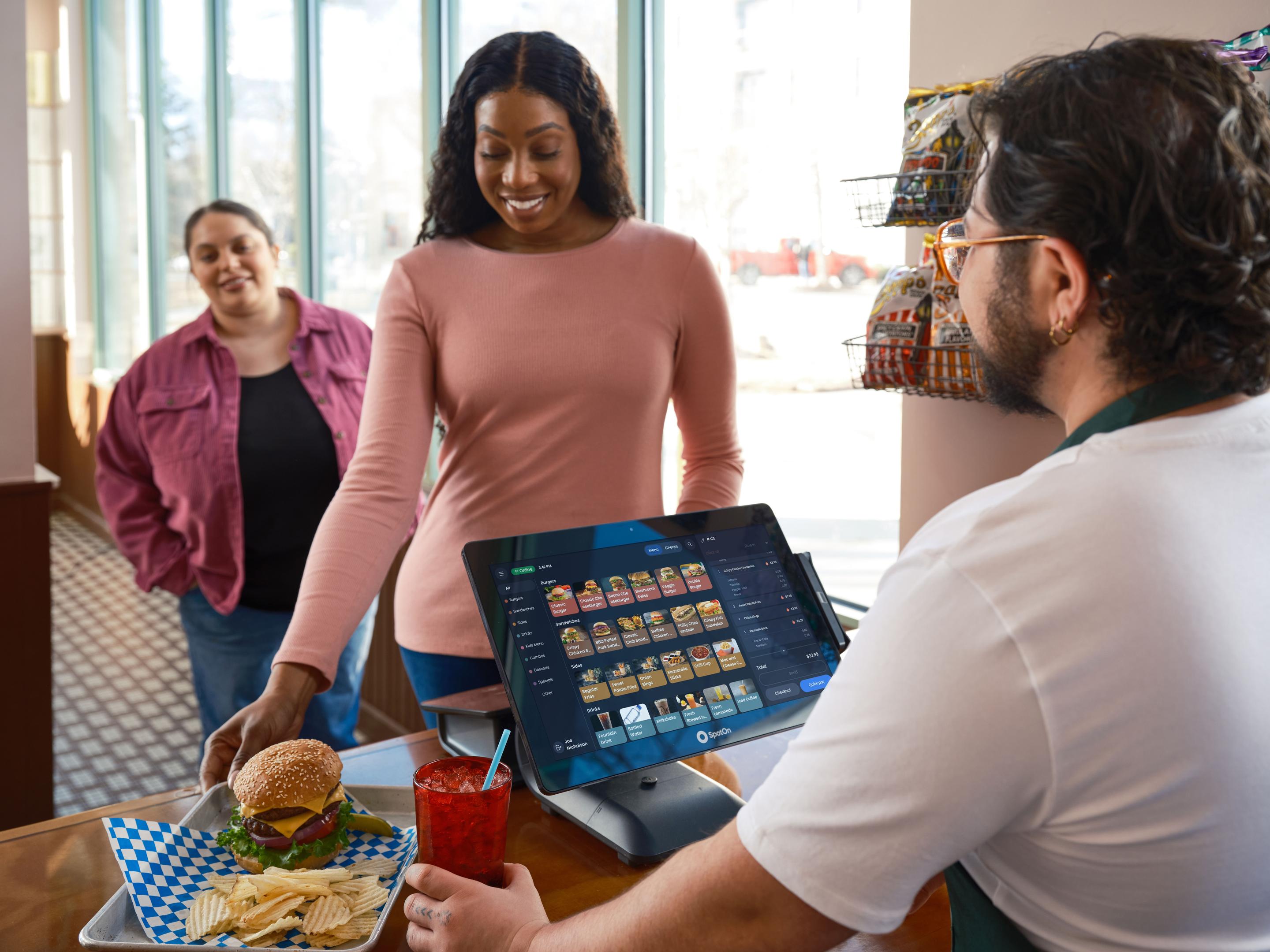
Real-world scenarios: AI ordering in different restaurant formats
Quick service restaurant: A burger shop doing 80 calls per day with a $15 average check struggles with abandoned calls during lunch. VoiceBit handles all incoming orders, reducing missed calls from 35% to under 3%. Average ticket rises to $19 through consistent upselling. Monthly phone revenue increases by over $6,000.
Full-service with reservations: A 90-seat Italian restaurant misses roughly 15 reservation calls per evening. AI reservation handling captures those lost covers, adding an estimated $55,000 to $130,000 in annualized revenue. Hosts spend more time greeting walk-ins and managing the dining experience rather than fielding repetitive calls.
Delivery-heavy virtual brand: A dark kitchen running three brands from one location uses VoiceBit to route orders across brands, collect pre-orders for weekend events, and push direct orders instead of relying on third-party aggregators. Commission savings and higher margins from leveraging ai for direct online ordering add thousands monthly.
Implementation checklist: Getting your restaurant AI ready
Before deploying ai ordering, restaurant owners should prepare:
Assess current call volume, answer rates during peak, and number of missed calls
Map existing phone flows and list the most common customer inquiries
Clean up your menu data: accurate items, modifiers, pricing, allergen info
Confirm stable internet and phone line configuration
Identify POS or delivery aggregator integration requirements
Communicate with staff that AI supports rather than replaces the human team
Plan a 2 to 4 week pilot with clear success metrics: missed calls reduced, phone revenue increased, customer satisfaction improved
VoiceBit's onboarding materials and support team walk you through this checklist to make embracing ai straightforward.
Overcoming common concerns and AI myths in restaurants
Restaurant owners commonly worry about losing the human touch, data privacy, setup complexity, and cost. Here is how to think about each:
Conversational voice AI has advanced well beyond robotic voices. VoiceBit uses natural, friendly voices and can match your restaurant's tone, including local references or signature phrases. AI ordering does not replace front-of-house staff but shifts them to higher-value guest interactions on the floor, preserving human hospitality where it matters most.
Customer data is handled securely and in line with current regulations. Ask any AI vendor about encryption, data retention policies, and compliance before signing. Setup complexity is minimal with VoiceBit: no hardware, no developers, and full control over scripts and menu logic. The cost is a fraction of what a missed-call revenue leak costs monthly.
Implementing ai is not about removing people. It is about giving your team the tools to deliver better food quality and personalized service while the ai system handles repetitive tasks.
Measuring success: KPIs for AI powered restaurant ordering
Once you implement VoiceBit, track these KPIs:
Call answer rate: Percentage of incoming calls answered (target: 95%+)
Missed-call reduction: Compare to baseline before AI
Conversion rate: Calls that result in paid orders
Average order value: Phone orders vs. other channels
Repeat caller rate: How often customers reorder by phone
Food waste percentage: Measure against pre-AI prep waste levels
Customer satisfaction: Track review scores and feedback trends
Revenue per labor hour: Phone revenue generated without additional staff time
Capture baseline data 2 to 4 weeks before launch. VoiceBit provides analytics dashboards that summarize these metrics for owners and managers. For example, a restaurant improving its call answer rate from 60% to 98% with 30 daily phone orders at $30 average could see monthly phone revenue jump by over $8,000.
Future of artificial intelligence restaurants: What is coming next
Between 2026 and 2028, expect deeper POS ecosystem integration, smarter dynamic pricing driven by supply chain cost data, and AI-driven labor scheduling that uses machine learning to match staffing to predicted demand. AI systems analyze historical data to optimize staff scheduling with increasing precision.
Conversational AI will connect phone, website, and in-store kiosks into a single guest profile and loyalty journey. Generative ai will power more sophisticated menu design and personalized service. Computer vision for food waste tracking and facial recognition for repeat guest identification are emerging in the wider food industry, alongside farm-to-fork supply chain optimization.
Starting with AI ordering now positions restaurants to plug into these advanced ai powered solutions later, rather than playing catch-up. VoiceBit's roadmap includes expanding languages, deeper analytics, and additional channel coverage, keeping independent restaurants and restaurant groups competitive alongside the largest quick service restaurant chains.
How to get started with VoiceBit today
AI ordering and phone automation should be a priority project for 2026. The numerous benefits are clear: recovered revenue from missed calls, higher average tickets through consistent upselling, reduced food waste, and improved operational efficiency across every shift.
Here is your next-step path:
Visit voicebit.ai and book a demo to see real AI ordering in action
Calculate your potential ROI using your own call volume and average check size
Start with one location for 30 to 60 days before rolling out to additional sites
Involve managers early and use VoiceBit's training resources to make staff comfortable
The restaurants that begin revolutionizing restaurants with AI today will have a competitive edge for years to come. Explore VoiceBit's ai tools and see how artificial intelligence can transform your customer experiences and your bottom line.