What Is Kitchen Management? A Practical Guide for Restaurant Owners
Running a restaurant is part craft, part chaos. The dining room gets the compliments, but the back of house makes or breaks your business. This guide breaks down what kitchen management actually means in 2026, why it matters for your margins and your sanity, and how to build systems that hold up on your busiest nights.
What Is Kitchen Management? (Answer This First)
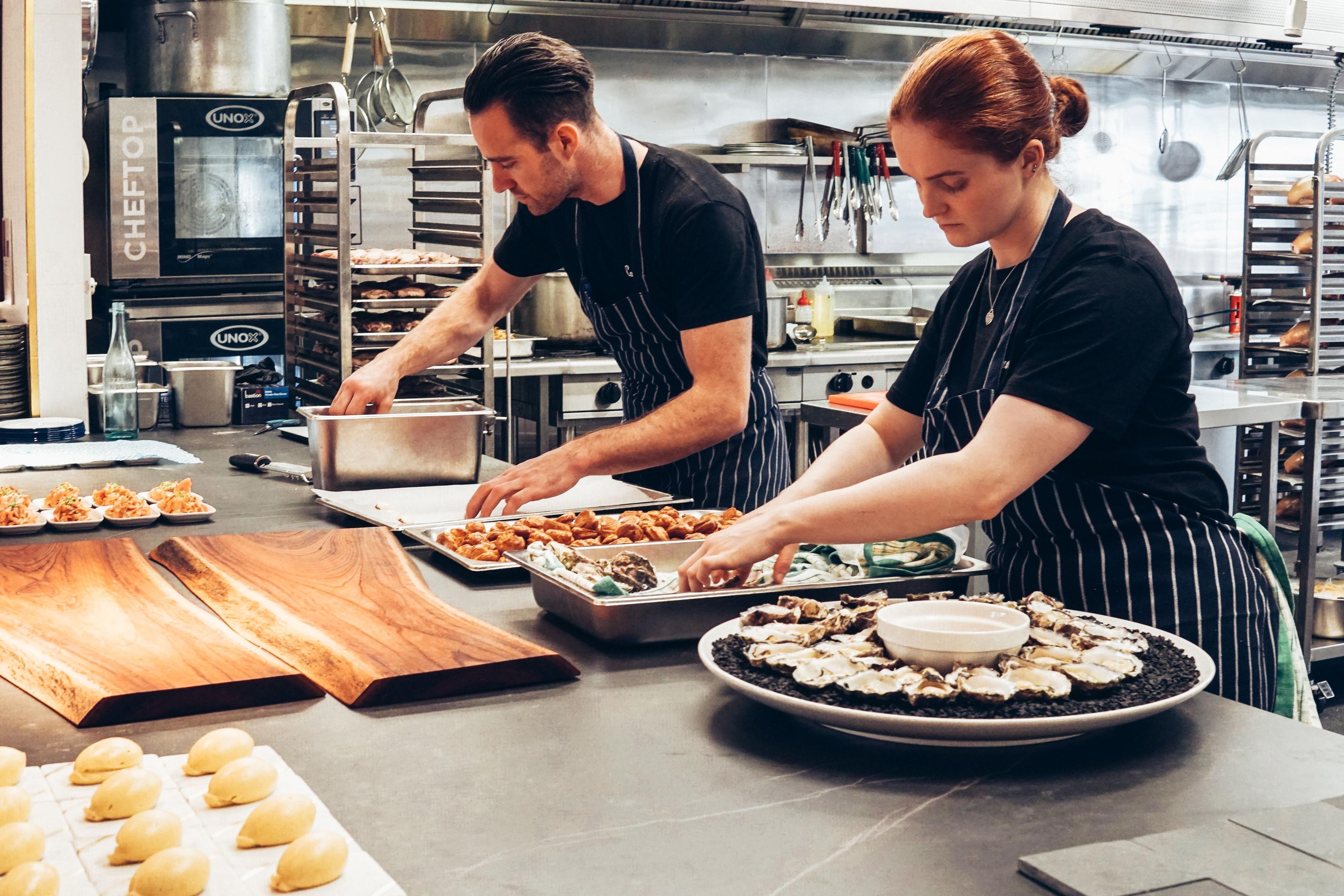
Kitchen management means overseeing every back of house operation in your restaurant - from food prep and food safety to inventory management, staff scheduling, kitchen layout, and the technology that ties it all together. It is the system that ensures the right dishes leave the pass at the right time, at consistent quality and cost, with minimal waste.
Effective kitchen management combines culinary art with logistical science. Kitchen management balances quality, safety, efficiency, and profitability - and when it works, it's a game changer for margins, guest experience, and staff retention, especially in independent restaurants and small groups.
Here's a concrete way to think about it: a well-managed restaurant kitchen on a busy Friday night in 2026, with clear ticketing, stocked inventory, cross-trained staff, and AI-powered phone order capture, can process 200 phone, web, and delivery orders without chaos. A poorly managed one loses tickets, runs out of key ingredients, sends wrong dishes, and bleeds food waste - each mistake costing real money and repeat business.
This guide is written from VoiceBit's perspective as a restaurant technology partner, focused on helping owners effectively manage modern kitchens with AI tools and strong systems.
In short, kitchen management:
Oversees daily back-of-house operations across every service channel
Includes inventory and cost control as core functions
Involves menu planning and staff scheduling as daily responsibilities
Directly determines your profit margins, customer satisfaction, and team culture
Kitchen Manager vs. Chef vs. Restaurant Owner
Roles overlap constantly in small restaurants - the chef might also be the only person doing scheduling and ordering. But as volume grows, clearly separating responsibilities is essential for effective restaurant kitchen management.
Kitchen managers focus on operations: staff scheduling, inventory management, enforcing food safety standards, cost control, and coordinating back of house operations. Kitchen managers ensure compliance with health regulations. They need strong communication skills, must master inventory management to reduce waste, and create training programs for food safety laws. Attention to detail is crucial for maintaining food safety standards, and leadership skills help kitchen managers motivate their staff effectively. Time management is essential for prioritizing tasks in a busy kitchen.
The head chef or executive chef leads the culinary arts side: menu creation, recipe development, cooking techniques, plating standards, and training cooks on technique. The chef sets the quality standards that the kitchen manager enforces.
The owner/operator handles overall business strategy: funding, branding, menu pricing, technology decisions (like adopting AI ordering), and growth planning.
Example: Consider a 60-seat neighborhood restaurant where the chef is also the kitchen manager and owner. At first, this works. But as phone and web orders increase and weekend volume climbs, the chef is stretched too thin - inventory gaps appear, a prep cook isn't trained properly, menu consistency drops. That's the point where separating the kitchen manager role from the chef role becomes a financial necessity, not a luxury.
Key Areas of Effective Kitchen Management
Effective kitchen management isn't about excelling in one area - it's about several key areas working together. Weakness in one pillar cascades into failures in others.
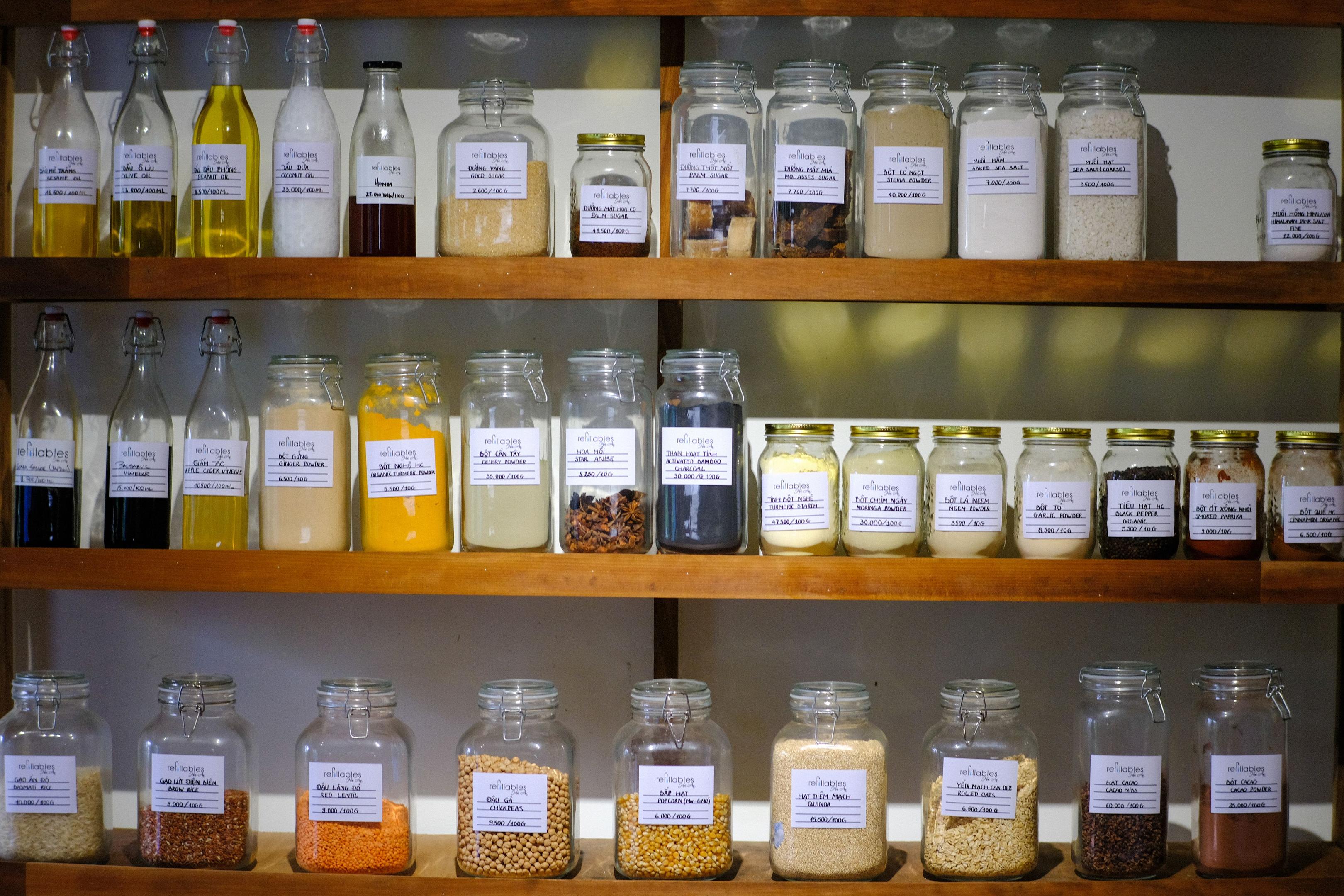
Inventory management: Tracking raw goods, setting par levels, preventing over-ordering and spoilage
Food safety and hygiene: Time-temperature control, cross-contamination prevention, regulatory compliance
Food quality and consistency: Standardized recipes, portion sizes, plating standards across shifts
Labor and scheduling: Matching staffing to demand patterns, cross-training, retention
Kitchen layout and workflow: Zoning, station placement, minimizing movement, mise en place
Communication: Clear handoffs between stations, FOH-BOH coordination, real-time 86 updates
Technology and automation: POS systems, kitchen display systems, voice AI ordering, inventory software
A few things to note: staff training and communication improve kitchen efficiency and culture. Organizing workflows and layouts is essential for operational efficiency. Utilizing technology improves kitchen operations and order accuracy. And data-driven decisions help balance labor costs with performance.
Poor inventory, for example, leads to stockouts, which leads to 86'd menu items, which leads to frustrated guests and lost sales - whether they're dining in or ordering by phone for delivery.
Inventory Management and Food Waste Control
Efficient inventory management is often the difference between profit and loss. With food costs averaging 28–35% of gross sales in full-service US restaurants, even small reductions in waste translate directly to your bottom line.
Here's what good inventory control looks like in practice:
Establish par levels to trigger reordering of supplies - minimum stock for each ingredient based on menu popularity, vendor lead times, and seasonality
Practice FIFO (First In, First Out) to minimize food spoilage and track use-by dates on every item
Analyze sales data to optimize order frequency and volume - your POS and direct ordering history reveal exactly what sells and when
Use appropriate storage methods to ensure ingredient freshness: segmented zones in your walk-in, raw proteins below ready-to-eat items, everything off the floor on shelving
Track inventory to avoid shortages and reduce waste - regular inventory counts prevent over-ordering and minimize waste
Monitor expenses against budget so food cost percentage stays within your target
Concrete example: A restaurant over-orders poultry for Mother's Day weekend without checking last year's sales data. Unsold product sits past safe holding dates and gets tossed - that's cash in the trash plus disposal cost.
Use tools like color-coded labels, dated containers, and dry-erase boards for low-stock alerts. VoiceBit order history data can feed demand forecasts, helping you order smarter - especially for items like olive oil or other key ingredients that fluctuate in price.
Studies show nearly 25% of Time/Temperature Control Safety foods in independent restaurants are not date-marked appropriately. Labeling and dating containers reduces food safety errors significantly.
Food Safety, Cutting Boards, and Kitchen Hygiene
Maintaining food safety is a critical component of kitchen management. One serious foodborne illness incident can damage a hospitality business for years - through lawsuits, closures, and lost trust.
Here are the core practices every restaurant kitchen needs:
Time and temperature control: Keep hot foods ≥ 140°F, cold foods ≤ 40°F. Check with calibrated thermometers. Never let food sit in the danger zone (40–140°F) longer than allowed.
Prevent cross contamination with color-coded cutting boards: red for raw meat, blue for seafood, green for produce, white for ready-to-eat. Use separate knives and sanitizer buckets at every station. Food safety standards prevent cross-contamination in kitchens when enforced consistently.
Personal hygiene: Handwashing protocols, glove use, hair restraints, and keeping sick staff off the line.
Cleaning schedules: Daily (stations, floors, equipment surfaces), weekly (hoods, walk-ins, fryers), monthly (deep cleaning, grease traps, ventilation). Document everything.
Staff must receive food safety training to ensure compliance - this isn't optional, it's foundational. Establishing clear food safety systems speeds up food preparation by removing guesswork.
Regular inspections help maintain food safety standards. Use digital tools to log temperatures, cleaning tasks, and inspection records so you have documentation ready when the health inspector arrives.
Restaurants with certified kitchen managers have statistically fewer critical violations. If you don't have a certified manager on staff, make it a priority.
Staffing, Scheduling, and Leadership in the Back of House
Staffing is often the hardest part of kitchen management. The restaurant industry sees staggering turnover - food preparation worker roles show separation rates near 75–80% annually. That means you're constantly hiring, constantly training, and constantly losing institutional knowledge.
Here's how to build stability:
Schedule to demand patterns: Use past sales data to map peaks - weekdays vs. weekends, holidays, local events, delivery surges. Don't just copy last week's schedule blindly.
Cross-train your kitchen team: A prep cook who can jump to expo, a line cook who can cover dish - this flexibility is a game changer when someone calls out. Labor efficiency improves when your whole team can move between stations.
Training is the highest-leverage investment in a kitchen. Effective training uses visual materials tied to each recipe. Training programs should include food safety laws and kitchen protocols. A well-trained team executes recipes accurately without supervision. High turnover can be minimized with strong documentation and training.
Leadership matters: Kitchen managers should provide clear communication, stay calm under pressure, enforce consistent quality standards, and treat staff fairly. Clear instructions enhance kitchen staff performance.
Build rituals: Pre-shift meetings (discuss specials, expected volume, any 86'd items), station checklists, and post-service debriefs. Regular kitchen meetings foster a collaborative environment and keep the whole team aligned.
In professional kitchens, culture isn't a soft concept - it's a retention strategy. Staff stay where they're respected, trained, and given room to grow.
Kitchen Layout, Workflow, and Mise en Place
Good kitchen layout can add or remove minutes from every ticket time. Optimizing the kitchen layout can minimize bottlenecks and improve service speed - and in a high-volume house, minutes are money.
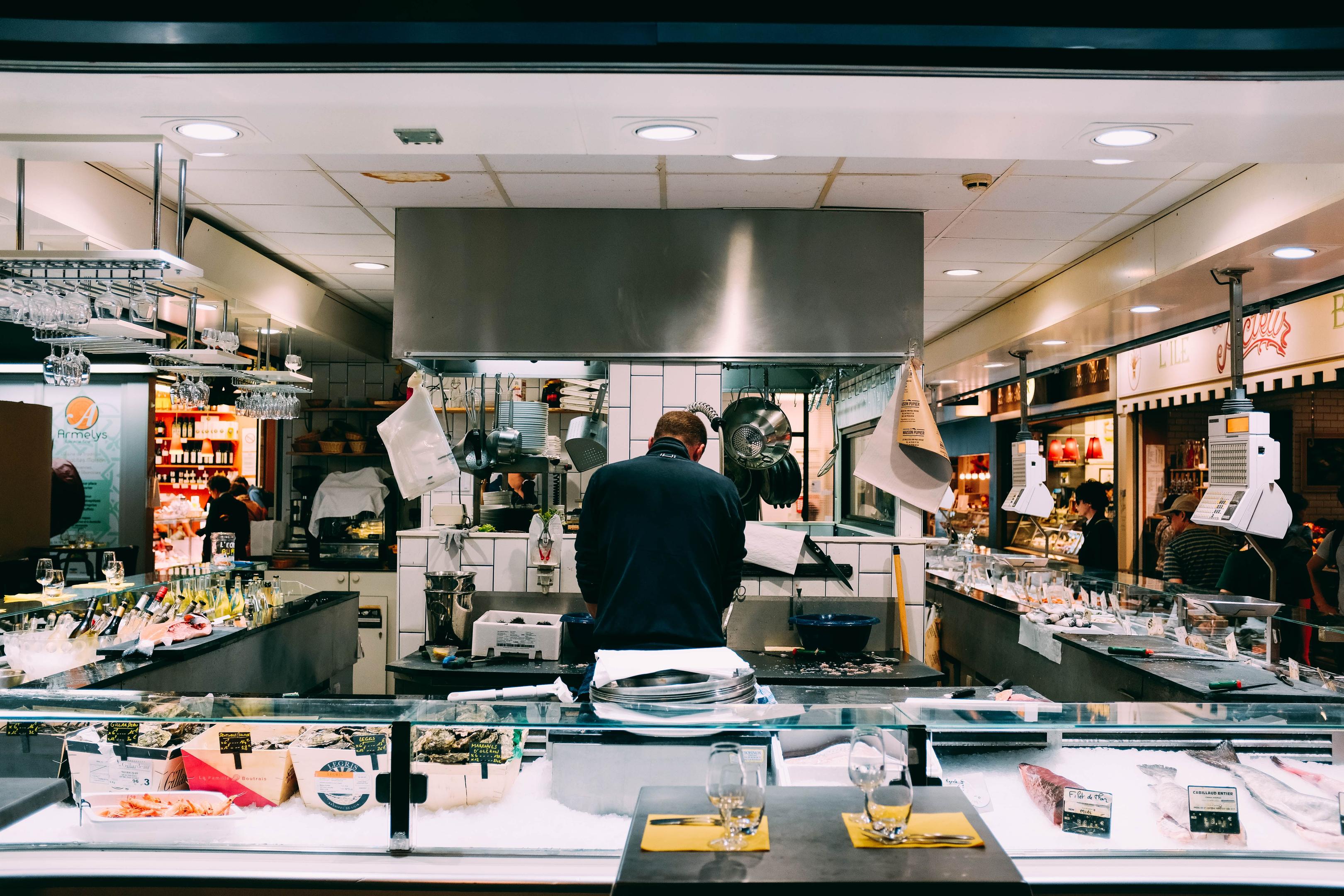
Designate work zones for prep, cooking, and plating. A standard commercial kitchen has four functional zones: receiving and storage, prep, cooking/hot line, and service/dishwash. These zones should flow in one direction - receiving → storage → prep → line → service - to avoid cross-traffic.
Consider traffic flow to avoid congestion in the kitchen. Position high-use equipment (reach-in fridges, lowboys) close to the stations that need them. Ensure aisles are wide enough for two people to pass.
Choose adequate lighting to eliminate dark areas in the kitchen. Shadows at prep stations cause mistakes and slow work.
Organize kitchen tools in designated areas for easy access - squeeze bottles, tongs, pans, and cutting boards should be within arm's reach of each station, not across the room.
Mise en place is the foundation of effective kitchen management: everything in its place before service, portioned, labeled, and staged. This practice reduces errors, speeds ticket times, and lowers stress. Use prep lists to stay organized.
Affordable tools help maximize more space in tight kitchens: Metro racks, Cambro containers, deli cups with lids, and labeled shelving turn a cramped back of house into a functional one.
Menu Design, Portion Control, and Profitability
Menu design is a core part of effective restaurant kitchen management - not just a front-of-house decision. Every menu item you add increases prep complexity, inventory SKUs, and the chance of errors.
Simplify strategically: Too many unique dishes create long prep lists, more waste, and slower ticket times. Review which menu items actually sell and which sit. Use sales data from your POS system and direct ordering channels to identify top sellers and slow movers.
Standardized recipes ensure consistency in quality and cost. Post recipe cards with photos at each station. Effective training uses visual materials tied to each recipe so every cook plates the same way regardless of shift.
Standardizing portion control reduces food cost and improves guest experience. Weigh proteins. Use portion scoops for sides. Consistency in food quality helps improve customer satisfaction and drives repeat business.
Effective cost control starts with accurate recipe costing. Calculate plate cost (sum of all ingredient costs), then determine contribution margin (menu price minus plate cost). Menu pricing should be based on actual food cost percentages - not gut feeling.
Adapt to market shifts: When beef prices spiked in early 2026, some operators adjusted portion sizes, reworked recipes with alternative proteins, or updated pricing to protect profit margins. Cost control is a key component of effective kitchen management, and menu engineering is where it starts.
The best menus aren't the longest - they're the most profitable. Every dish should earn its spot.
Communication Systems: From the Line to the Phone
Communication is the nervous system of kitchen operations - especially when you're juggling dine-in, takeout, and delivery simultaneously.
Internal communication: Train cooks on clear communication with call-backs on the line. When expo calls "two burgers, one fish," the grill cook confirms. Effective kitchen communication prevents food prep errors. Real-time recipe comments improve team alignment when specials or modifications are in play.
FOH-BOH coordination: Servers need to communicate allergies, special requests, and timing for large parties. The kitchen needs to push 86 updates to FOH instantly - not after four guests have already ordered a dish you can't make.
Implement Kitchen Display Systems to streamline order communication. Digital kitchen display systems reduce order errors by replacing handwritten tickets with clear, prioritized screens showing order age, modifications, and channel (dine-in vs. delivery).
Scenario: Imagine a Friday night with 50 concurrent phone calls. Without automation, staff scramble to write orders, mishear modifiers, and pull cooks off the line to answer phones. With AI voice ordering from VoiceBit handling calls, orders are captured, confirmed with the guest, and sent directly to POS and KDS - no scribbled tickets, no lost orders.
Technology and Tools for Modern Kitchen Management
In 2026, efficient kitchen management blends strong fundamentals with smart digital tools. Over 80% of restaurant executives plan to increase AI investments in the coming year, and the voice AI market for restaurants is projected to reach roughly $13.85 billion by 2029.
Key technology categories for restaurant managers:
POS systems: Capture orders, track sales data, feed reporting dashboards
Kitchen Display Systems (KDS): Route orders to the right stations, show ticket age, reduce errors
Inventory and recipe costing software: Link actual usage to theoretical cost, flag variances, suggest purchase orders
Staff scheduling apps: Match labor to forecasted demand, track hours, control labor costs
Food safety logging tools: Digital temperature logs, cleaning checklists, inspection records
Direct ordering platforms: VoiceBit automates phone ordering, processes payments, manages delivery details, and syncs with your existing menu and POS to cut errors. Orders flow from phone call to kitchen ticket without a human middleman.
For independent restaurants, this means reduced third-party commissions (which can run 20–30% per order), fewer missed calls during peak hours, better order accuracy, and owning your customer data for loyalty programs. Regular performance measurement with KPIs helps identify operational issues before they become costly.
The goal isn't to replace your kitchen team with technology. It's to give them better tools so they can focus on cooking, not answering phones.
Best Practices to Effectively Manage a Kitchen Day-to-Day
This section turns theory into daily habits. If these routines only live in the manager's head, they don't exist. Use laminated checklists, digital forms, and shared calendars.
Daily routines:
Opening checklists: kitchen equipment check, walk-in temperature logs, station prep verification, mise en place confirmed, staffing confirmed
Pre-service lineup: brief the whole team on specials, expected volume, any 86'd items
End-of-night: closing cleaning checklist, inventory spot checks, waste tracking
Weekly routines:
Deeper cleaning (hoods, ovens, cold rooms, drains)
Waste review: what was thrown away, why, and how to prevent it
Ordering and delivery planning based on upcoming reservations and events
Staff scheduling for the following week, adjusted to forecasted demand
Monthly/quarterly:
Menu reviews: which dishes are slow, which are profitable, which cause kitchen stress
Food cost analysis against targets
Kitchen equipment maintenance to prevent downtime
Staff training sessions on new dishes, food safety refreshers, or cooking techniques updates
Stay up to date on local health code changes and hospitality industry trends so your systems evolve with regulations and guest expectations.
How Direct Ordering and AI Voice Can Be a Game Changer
Even a perfectly run kitchen struggles if order flow is chaotic. Phone orders are where many independent restaurants lose money - missed calls during peak hours, inaccurate orders scribbled on paper, and kitchen staff pulled off the line to answer phones.
Common problems with traditional phone ordering:
Missed calls (potential revenue lost every time)
Handwritten orders with wrong modifiers or missing items
Staff diverted from food prep to take calls
Third-party apps charging 20–30% commissions and owning your customer data
VoiceBit's AI voice ordering captures every call, confirms items with guests in natural language, and sends clean, itemized tickets directly to your POS and KDS. No scribbled notes. No dropped calls. No commission fees.
Example: A pizzeria adopts VoiceBit for weekend peak hours. Abandoned calls drop by over 30%. A line cook previously assigned to phone duty returns to the line. Order accuracy jumps above 95%. Revenue from direct phone orders increases, and the restaurant keeps full control of customer data for loyalty and marketing.
This isn't about replacing the human heart of your hospitality business. It's about giving your kitchen team the breathing room to train staff on technique, plate new dishes with care, and save money that would otherwise leak through missed orders and third-party fees.
Pulling It All Together: Building a Resilient Kitchen Operation
Effective kitchen management combines people, process, and technology across every key area we've covered. No single tool or hire fixes everything - resilience comes from building strong systems that work together.
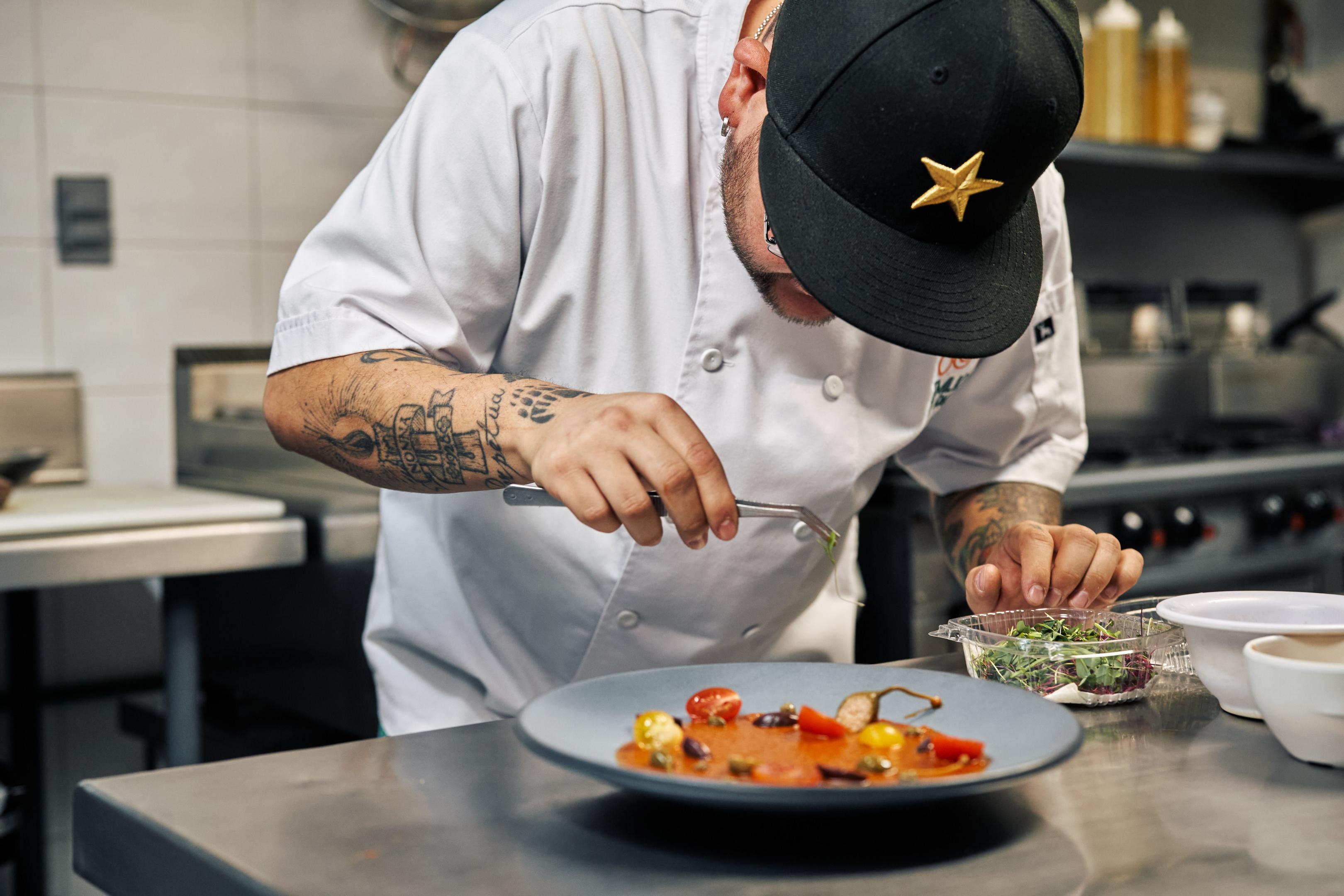
Main themes to carry forward:
A strong food safety culture protects your business and your guests
Disciplined inventory management keeps food costs in check and reduces food waste
Thoughtful menu planning connects your culinary arts vision to financial reality
Clear communication - human and digital - keeps the back of house running under pressure
Smart technology like VoiceBit amplifies what a lean kitchen team can accomplish
Your next steps - a 90-day checklist:
Audit your current kitchen systems: where do tickets get lost, where does waste pile up, where does staff confusion slow you down?
Pick one or two high-leverage improvements to start (e.g., daily waste tracking, better cutting board protocols, or automating phone orders)
Choose technology partners who integrate with your existing POS, offer transparent pricing, and let you own your customer data
Set measurable goals: reduce food waste by 15%, improve order accuracy above 95%, keep labor cost below your target percentage
Build the culture: train, debrief, celebrate wins, and improve every shift
Kitchen management isn't about perfection on day one. It's about building habits and systems that get stronger every service. And if you're ready to take phone and direct ordering off your plate, VoiceBit is built specifically for independent restaurants that want to effectively manage high volume without losing what makes their food and hospitality great.
Related Articles

Restaurant Costs: Complete Guide to Controlling Food, Labor, and Overhead with AI Ordering