Best 8 Restaurant Management Systems to Boost Revenue in 2026
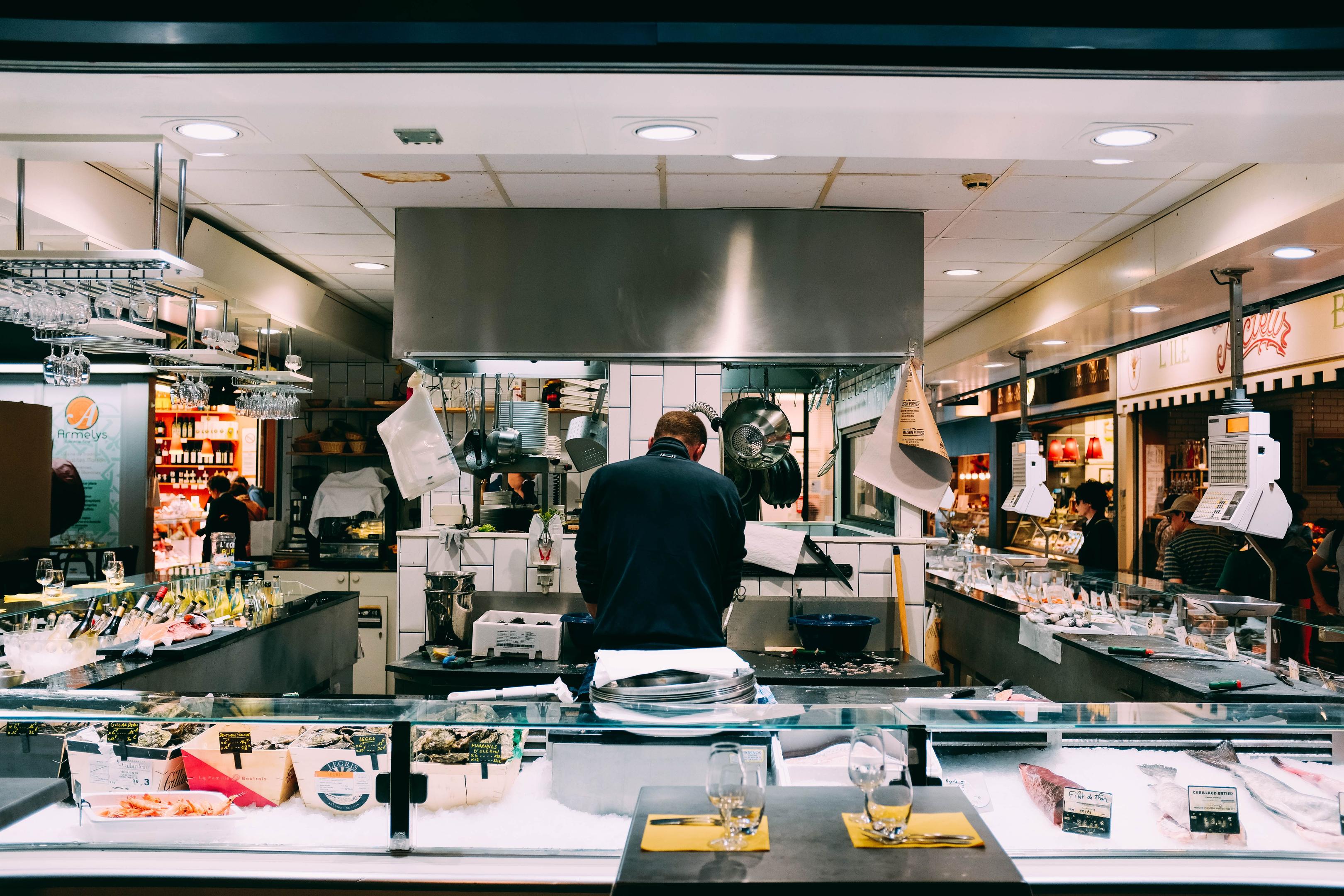
Running a restaurant today means managing dozens of moving parts at once: phone orders flying in during the dinner rush, staff schedules shifting weekly, inventory dwindling unpredictably, and customer data scattered across apps and notebooks. A restaurant management system brings all of these operational tasks into one digital solution, giving restaurant owners a single place to control everything from order processing to employee management.
The restaurant industry is evolving fast. The global market for restaurant management software was valued at USD 5.79 billion in 2024, and it's expected to grow to USD 14.70 billion by 2030. That growth reflects a simple truth: restaurants that invest in the right software consistently outperform those that don't. The right system can increase revenue by 20 to 40% through better order accuracy, customer insights, and operational efficiency.
Yet 73% of restaurant owners still struggle with managing phone orders and customer data across multiple locations. If that sounds familiar, this guide is for you.
We evaluated these systems based on real revenue impact, ease of use, and proven performance in actual restaurant environments. Let's dig in.
How We Chose the Best Restaurant Management Software Systems
Not every system is built for every restaurant. A fine dining spot with 200 reservations a night has different needs than an independent pizza shop fielding 100 phone orders during peak hours. Our evaluation focused on the key features tied to practical restaurant needs rather than generic feature checklists.
Here are the criteria we used:
Revenue generation potential through direct ordering channels and customer retention tools that reduce reliance on third party delivery platforms
Integration capabilities with existing restaurant technology, including your restaurant's pos system, kitchen display system, and payment processing hardware
Order accuracy and call management effectiveness, since digital order management reduces mistakes caused by handwritten tickets
Multi-location support with centralized reporting, because restaurant groups need above-store visibility
Customer data analytics and loyalty program features that drive repeat business
Ease of implementation and staff training requirements, because your restaurant staff shouldn't need a computer science degree
Cost-effectiveness and ROI, factoring in both subscription fees and the revenue gains from improved restaurant operations
Key components of a restaurant management system include POS systems and inventory management, but the best restaurant management software goes further. It enhances profitability by improving control over inventory and labor costs, connects functions like order processing and employee management, and provides data driven decisions through real-time analytics.
Modern restaurant management systems automate repetitive tasks to enhance operational efficiency. Automating tasks reduces human error and speeds up operations in restaurant management, whether that means auto-routing phone orders to the kitchen or flagging low inventory before you run out of a key ingredient.
Top 8 Restaurant Management Systems for Revenue Growth
1. VoiceBit
VoiceBit is an AI-powered voice ordering platform that connects to your existing phone lines and captures orders automatically. There's no new hardware to install. You forward your restaurant's phone number, and VoiceBit's AI agent begins answering calls, taking orders, processing payments, and syncing everything to your POS.
For restaurants that depend heavily on phone orders, this is a game-changer. Studies show that 30 to 40% of incoming calls go unanswered during peak hours, and each missed call represents $25 to $50 in lost revenue. VoiceBit eliminates that problem entirely.
Why It Stands Out
VoiceBit's AI transcribes every single call and provides detailed analytics on customer ordering patterns. Restaurant owners can log into the dashboard and see exactly what customers are ordering, when they're calling, how long calls last, and what items are being added through upsell prompts. This level of insight across multiple locations is rare in the restaurant software category.
The platform also builds a complete website and SMS ordering channel for your restaurant, which means you can capture direct online orders without paying third party fees. Since 87% of guests are more likely to reorder when they have a great online experience, and 63% of guests prioritize convenience when choosing where to order, having a seamless direct ordering channel is critical.
Best For
Independent restaurants and small-to-mid-sized chains with high phone order volume wanting to reduce third party delivery platform commissions and own their customer relationships.
Key Strengths
AI phone ordering system eliminates missed calls and improves order accuracy by approximately 95%. The system handles modifiers, substitutions, combos, and even bilingual conversations in English and Spanish.
Complete website and SMS ordering platform with integrated payment processing. All channels feed into the same menu logic and POS integration.
Multi-location insights dashboard showing customer data and ordering trends across all locations. Owners can compare performance, identify revenue leaks, and track customer preferences from one screen.
Real results speak for themselves:
Case Study | Key Result |
|---|---|
Automated 200+ weekly phone orders, recovered 20+ hours/week in labor | |
Was missing 42% of calls; VoiceBit turned phone lines into a profit center | |
+15% increase in average ticket size, streamlined phone-to-pickup to about one minute | |
Was missing 10-15 calls/day; VoiceBit captured every order in English and Spanish |
VoiceBit's setup typically takes under five days. There's no long-term contract, and direct ordering carries zero commissions. The philosophy is simple: every dollar of revenue stays with the restaurant owner.
Possible Limitations
Primarily focuses on voice and direct ordering rather than full restaurant operations like inventory tracking or employee scheduling
May require initial setup time for menu integration and staff training on the dashboard
2. Toast POS
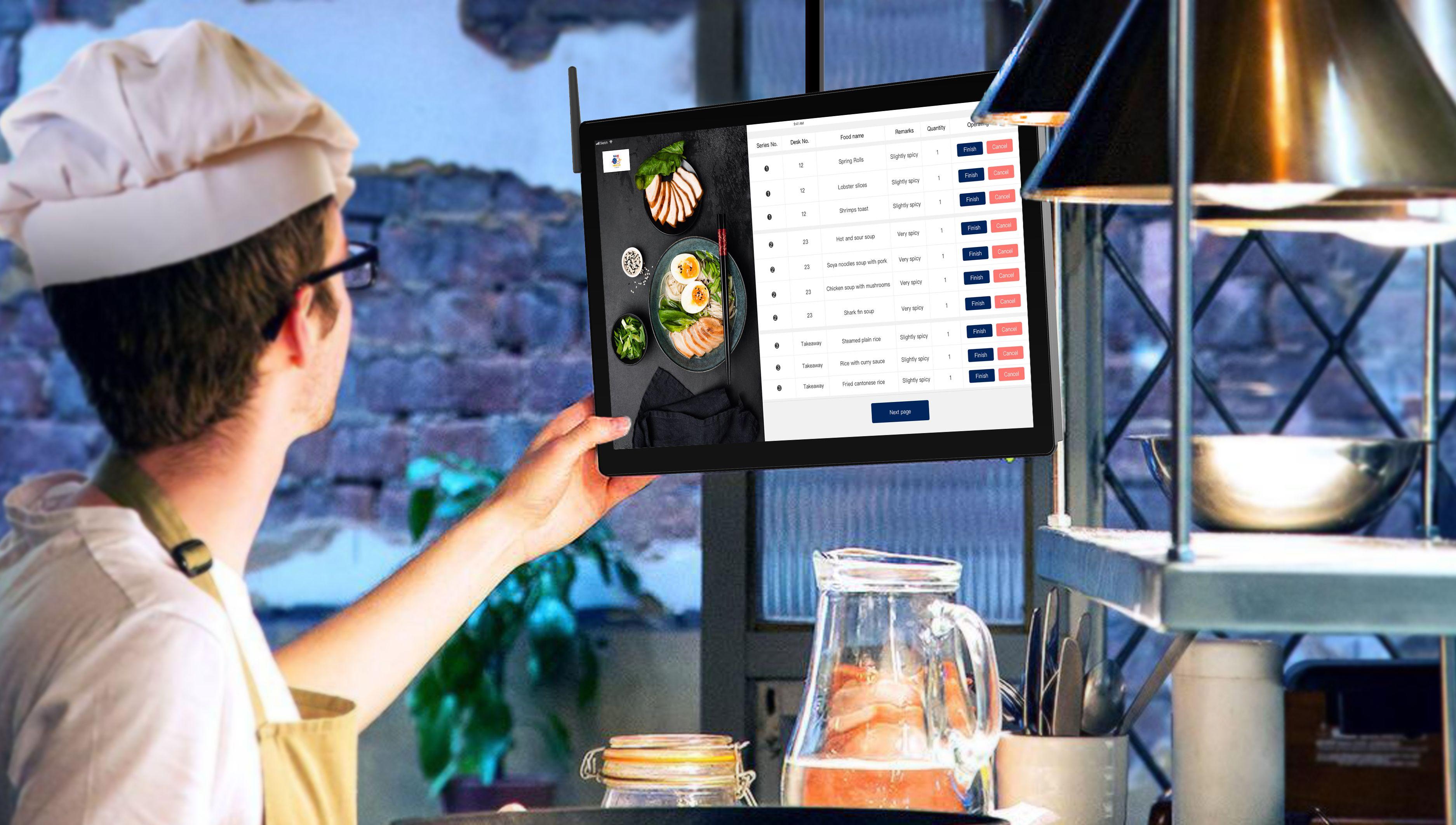
Toast is an all-in-one restaurant management platform built specifically for food service. It combines a cloud based pos system with online ordering, kitchen display integration, loyalty program integration, and back-office management under one roof.
Why It Stands Out
Toast POS integrates online ordering and payroll features into a single ecosystem. This means restaurant operators don't need to juggle separate software solutions for scheduling and payroll, menu management, or customer loyalty. Customer engagement tools in Toast boost customer loyalty through features like reservation management and targeted marketing campaigns.
Best For
Full service restaurants needing integrated POS, inventory, and staff management in one system. It works well for mid sized restaurants and restaurant groups that want everything centralized.
Key Strengths
All-in-one pos system with online ordering and kitchen display system integration, enabling real-time order routing from counter to kitchen
Advanced analytics and reporting for menu optimization and sales tracking. Analytics in a restaurant management system help identify popular menu items and sales trends, and Toast excels here.
Built-in loyalty programs and customer relationship management tools that help drive repeat business and track customer purchases
Possible Limitations
Higher monthly costs compared to single-purpose solutions, which may strain smaller operations
Can be complex for small restaurants with simple needs, and the learning curve for the full feature set can be steep
3. Square Restaurant POS
Square is the go-to budget-friendly option for startups and smaller establishments. Its free basic plan removes the financial barrier to entry, and its user friendly interface means you can be up and running in hours.
Why It Stands Out
Square POS is ideal for budget-conscious restaurants. There's a free basic plan with affordable upgrade options and no long-term contracts. For comparison, alternatives like Petpooja POS start at $50 per month for small operators, and Restroworks POS is rated 4.7/5 for ease of use, but neither match Square's zero-cost entry point.
Best For
New restaurants and cafes with limited budgets needing basic point of sale and order management functionality. Restaurant management systems are suitable for various business types including cafes and multi-location chains, and Square's flexibility reflects that.
Key Strengths
Free basic POS system with optional paid features for growing needs
Easy setup and user friendly interface for quick restaurant staff training
Integrated payment processing with competitive transaction rates
Possible Limitations
Limited advanced features compared to specialized restaurant software covers needs like recipe management or food cost control
Phone ordering and call management require third-party integrations, which adds complexity
4. OpenTable
OpenTable is the dominant reservation software in the hospitality industry. Its dining network gives restaurants access to millions of potential guests, and its table management tools help maximize covers during every service.
Why It Stands Out
OpenTable is a leading reservation management software that reduces no-shows with automated reminders and credit card holds. For full service restaurants where table turnover directly impacts revenue, this reservation system is hard to beat. Since 63% of guests prefer convenience when choosing restaurants, making it easy to manage reservations through a well-known platform matters.
Best For
Full service restaurants and fine dining establishments heavily reliant on online reservations and table turnover. Any restaurant that needs to handle table management at scale will benefit.
Key Strengths
Comprehensive reservation management with automated confirmations and waitlist features that help manage reservations efficiently
Access to a large customer base through OpenTable's dining network, functioning as both reservation software and a marketing channel
OpenTable allows restaurants to manage guest preferences and profiles, enabling tracking guest preferences that improve the guest experience. OpenTable integrates with various restaurant marketing software solutions for broader reach.
Possible Limitations
Monthly fees plus per-cover charges can add up quickly, especially for high-volume restaurants
Limited phone ordering capabilities without additional integrations, making it less useful for takeout-heavy operations
5. Restaurant365
Restaurant365 is the back-office powerhouse built for multi unit operators and restaurant groups. It merges accounting software, inventory management software, and workforce tools into a single platform designed for multi location operations.
Why It Stands Out
Restaurant365 integrates inventory management with accounting and scheduling, eliminating the need for separate systems. Multi-location operators benefit from above-store reporting and P&L consolidation, which means owners and CFOs get a unified view of financial performance across every location.
Best For
Multi-location restaurant groups needing centralized financial and operational control. This is the right software for restaurant operators managing five, ten, or fifty locations who need to make data driven decisions at scale.
Key Strengths
Integrated accounting software with real-time financial reporting. Real-time dashboards in restaurant management systems allow performance monitoring from anywhere, and Restaurant365 delivers this for financial data specifically.
Advanced inventory management with food cost tracking across locations. Inventory management tracks stock levels in real-time and alerts staff for restocking. Recipe-level inventory control alerts users to low stock and helps calculate food costs. The average restaurant wastes 4 to 10% of food purchased, so managing inventory effectively and reducing food waste has a direct impact on margins.
Workforce scheduling and payroll management with labor cost analytics, covering employee scheduling and employee performance tracking
For context, other inventory management software options exist in this space. MarketMan offers real-time inventory tracking and waste tracking. Supy aims to simplify inventory tracking and waste management. Posist sends alerts for low or expiring ingredients to reduce waste. But Restaurant365's strength is combining all of these functions with accounting in one platform, enabling true food cost control.
Possible Limitations
Primarily back-office focused with limited front of house system and customer engagement features
Higher complexity and cost suitable mainly for larger operations
6. Lightspeed Restaurant
Lightspeed is a cloud-based POS system with strong inventory and multi-location support. It's built for growing restaurant chains that need a scalable platform without sacrificing reliability.
Why It Stands Out
Cloud-based systems provide owners remote access to operations and reports, and Lightspeed takes this further with excellent offline functionality. If your internet drops during a Friday night rush, Lightspeed keeps processing orders and syncs when connectivity returns.
Best For
Growing restaurant chains needing scalable POS with strong inventory control. It's a solid fit for the food service industry where reliability is non-negotiable.
Key Strengths
Cloud-based system with reliable offline mode for uninterrupted service during day to day operations
Advanced inventory tracking with automated reordering and waste management, making tracking inventory and food delivery logistics easier
Multi-location dashboard with centralized menu and pricing management
It's worth noting that other platforms in the direct ordering space are also making moves. Owner.com offers commission-free online ordering for restaurants and can increase direct online orders by an average of 270% in three months. Owner.com helps turn one-time guests into regulars with loyalty programs. While Lightspeed focuses on POS and inventory, platforms like Owner.com and VoiceBit address the direct sales channel more directly.
Possible Limitations
Learning curve for advanced features and customization options
Phone ordering integration requires additional third-party solutions
7. TouchBistro
TouchBistro is an iPad-based POS system designed specifically for restaurants. It brings the point of sale to the table, literally, with mobile ordering capabilities that speed up service.
Why It Stands Out
TouchBistro's restaurant-specific design means features like course firing, split checks, and tableside payments are built in, not bolted on. It integrates seamlessly with kitchen printers and display systems.
Best For
Full service restaurants wanting mobile POS capabilities and tableside ordering. It also works well for bars, since bar management systems require tab management tools and fast payment workflows, which TouchBistro handles natively.
Key Strengths
iPad-based mobile restaurant pos system enabling tableside ordering and payments, improving customer satisfaction and reducing wait times
Restaurant-specific features like course firing and team communication between front and back of house
Built-in customer loyalty programs and marketing tools. Loyalty programs can increase customer retention and repeat visits, and automated marketing tools can enhance loyalty program effectiveness.
Possible Limitations
Requires iPad hardware investment and potential device management challenges
Limited phone ordering automation compared to AI-powered solutions like VoiceBit
8. Resy
Resy is a reservation and event management platform tailored for upscale dining establishments. It focuses on the premium end of the hospitality industry, where personalized guest experience and event coordination matter most.
Why It Stands Out
Resy goes beyond standard reservation software with event management, private dining coordination, and VIP guest tracking. For upscale venues, the ability to recognize returning guests and tailor the customer experience is a significant differentiator.
Best For
Upscale restaurants and venues hosting special events and managing VIP guest relationships. If your business model depends on high-touch service and direct sales from private events, Resy is purpose-built.
Key Strengths
Advanced reservation management with event planning and private dining coordination
VIP guest tracking and personalized service management for an elevated guest experience
Integration with social media and marketing platforms for event promotion
Possible Limitations
Limited POS functionality requiring separate payment processing solutions
Focus on upscale dining may not suit casual restaurant operations or food delivery-heavy models

Quick Comparison of the Best Restaurant Management Systems
Here's a side-by-side summary to help you compare at a glance:
System | Best For | Primary Strength |
|---|---|---|
VoiceBit | AI phone ordering and multi-location customer insights | Captures every phone order, builds customer profiles, zero commission direct ordering |
Toast POS | All-in-one restaurant operations with integrated payment processing | Complete pos system with online ordering, payroll, and loyalty |
Square Restaurant POS | Budget-conscious new restaurants needing basic POS functionality | Free entry-level plan, easy setup, competitive payment rates |
OpenTable | Reservation-heavy restaurants wanting access to dining network | Industry-leading reservation system with guest preference tracking |
Restaurant365 | Multi-location chains needing integrated back-office management | Accounting, inventory, and workforce management in one platform |
Lightspeed Restaurant | Growing chains with strong inventory control needs | Cloud-based with offline reliability and multi-location dashboards |
TouchBistro | Full service restaurants wanting iPad-based mobile POS | Tableside ordering, course firing, and built-in loyalty tools |
Resy | Upscale venues managing events and VIP guest relationships | Premium reservations with event planning and VIP tracking |
87% of guests are likely to reorder with a great online experience, which is why the best software in this space focuses on making every touchpoint, whether it's a phone call, a website visit, or a reservation, seamless.
How to Choose the Right Restaurant Management System
Choose Based on Order Volume and Phone Dependence
If your restaurant handles a high volume of phone orders, a traditional POS system alone won't solve your biggest revenue leak. Data shows that the restaurant industry loses over $20 billion per year from missed inbound calls. For a single busy location, that translates to $20,000 to $35,000 annually in lost revenue.
AI voice ordering platforms like VoiceBit are built specifically for this scenario. They answer every call, take orders accurately, process payments, and push everything into your existing POS. Compare this to a standard restaurant pos setup where your restaurant staff must answer phones, enter orders manually, and handle payment, all while serving in-house guests.
For employee scheduling, payroll software, and team communication needs that fall outside the ordering workflow, consider pairing VoiceBit with tools like 7Shifts, which is designed for employee scheduling and payroll and integrates time tracking and tip pooling features. Connecteam offers mobile scheduling and task management for restaurants. Sling provides drag-and-drop scheduling and PTO management. Employee management software helps reduce labor costs and improve scheduling when used alongside your ordering platform.
Choose Based on Restaurant Size and Location Count
Single-location restaurants with straightforward menus might find Square or TouchBistro sufficient. But as soon as you operate across multiple locations, the calculus changes.
Multi location operations demand centralized reporting, consistent menu management, and the ability to compare employee performance and customer satisfaction metrics across sites. Restaurant365 excels at back-office consolidation, while VoiceBit provides unmatched visibility into phone ordering patterns and customer preferences across every location. Data-driven insights help make informed business decisions in restaurant management, and having a unified dashboard is the foundation.
Choose Based on Revenue Goals and Customer Data Needs
If your goal is to reduce dependency on third party delivery platforms and own your customer relationships, you need a system that supports direct ordering. Every order that flows through an aggregator costs 15 to 30% in commissions and strips you of customer data.
VoiceBit captures caller information, builds guest profiles, enables loyalty programs, and routes direct online orders through your own website. This lets you drive repeat business through personalized offers and SMS marketing. Compare this to systems that primarily serve in-house dining, like OpenTable or Resy, which excel at reservations but don't address the phone and delivery ordering gap.
Which Restaurant Management System Is Best for You?
Here's a clear decision framework based on your restaurant type and priorities:
Choose VoiceBit if you want to eliminate missed calls, gain customer insights across multiple locations, and build direct ordering channels without third party fees. If phone orders represent a significant share of your revenue, VoiceBit directly solves that problem.
Choose Toast POS if you need comprehensive all-in-one operations with strong POS integration, employee management, and built-in loyalty programs.
Choose Square if you're a new restaurant with limited budget needing basic functionality. It's the easiest entry point in the space.
Choose OpenTable if reservations are your primary customer acquisition channel and you want access to a large dining network.
Choose Restaurant365 if you're a multi-unit operator needing integrated accounting, managing inventory, and workforce scheduling under one roof.
Choose Lightspeed if you need a scalable cloud based pos system with reliable offline functionality and strong inventory management.
Choose TouchBistro if mobile tableside ordering and iPad-based POS are priorities for your front of house system.
Choose Resy if you run an upscale venue and need event management alongside premium reservation features.
The right software isn't always the one with the longest feature list. It's the one that solves the problem costing you the most revenue right now.
Final Thoughts
The best restaurant management system depends on your specific operational needs and revenue goals. There is no universal answer, but there is a universal trend: phone ordering automation and customer data insights are becoming essential for competitive advantage in the food service industry.
Restaurant owners in 2026 face a clear choice. Continue losing revenue to missed calls, fragmented data, and third-party commissions, or invest in software solutions that put them back in control. The numbers are hard to ignore: thousands of dollars lost monthly from unanswered phones, margin erosion from aggregator fees, and missed opportunities to build customer loyalty because guest data lives on someone else's platform.
VoiceBit sits at the intersection of these challenges. It captures every phone order, builds your customer database, provides multi-location analytics, and keeps every dollar of direct sales where it belongs: in your restaurant.
Start by auditing your current missed call rate during peak hours. Count the calls your team can't answer between 5 and 8 PM. Multiply by your average ticket size. That number is what's at stake.
If you're ready to stop leaving revenue on the table, explore VoiceBit's AI phone ordering platform and see what recovering those missed calls could mean for your bottom line.